Author: Michael Johnes

  • World Responds to US Bombing Venezuela & Maduro’s ‘Capture’

    World Responds to US Bombing Venezuela & Maduro’s ‘Capture’

    United States President Donald Trump announced that the U.S. conducted a “large-scale strike” against Venezuela and its leader, President Nicolas Maduro.

    In a post on Truth Social, Trump said that Maduro and his wife were captured and flown out of the country after an operation conducted with U.S. law enforcement.

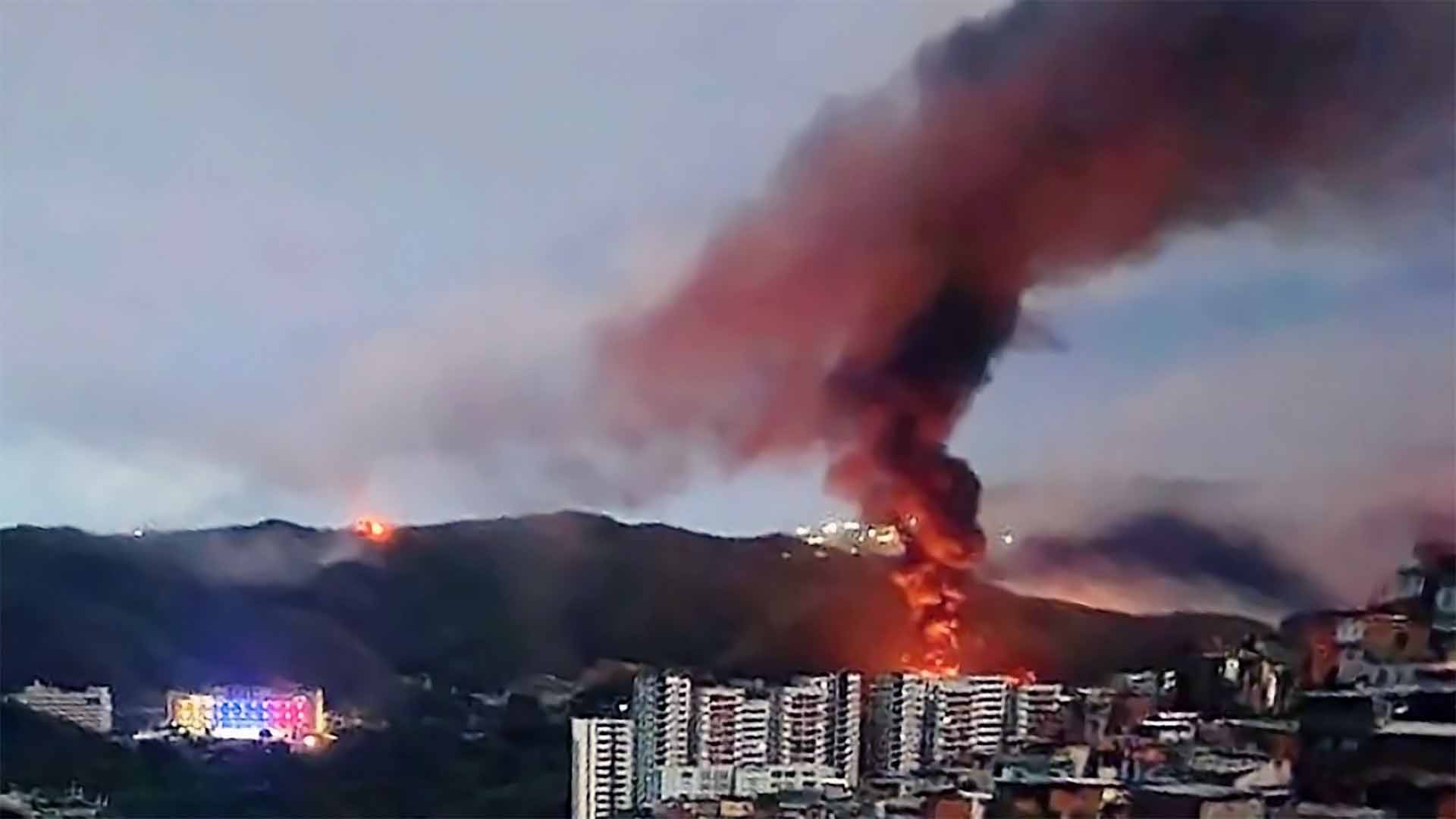
    The strikes happened inside Venezuela early on Saturday, marking a serious escalation that many Venezuelans had feared for weeks.

    U.S. media outlets, including Fox News and CBS News, reported on the strikes against the South American country.

    In a statement on X, U.S. Deputy Secretary of State Christopher Landau proclaimed that Venezuela was experiencing a “new dawn.” He stated, “A new dawn for Venezuela! The tyrant is gone. He will now – finally – face justice for his crimes.”

    In an initial response, Maduro accused the U.S. of “extremely serious military aggression.” His government declared, “Venezuela rejects, repudiates, and denounces before the international community the extremely serious military aggression perpetrated by the current government of the United States of America against Venezuelan territory and people.”

    Other countries are also reacting to the attack.

    Cuba

    Cuban President Miguel Diaz-Canel condemned the United States on social media. He accused the U.S. of carrying out a “criminal attack” against Venezuela and called for an urgent international response. In a post on X, Diaz-Canel stated that Cuba’s so-called “zone of peace” was being “brutally assaulted,” labeling the US action as “state terrorism” directed not only at the Venezuelan people but at “Our America” more broadly. He concluded his statement with the revolutionary slogan, “Homeland or Death, We Shall Overcome.” Additionally, a statement released by various Cuban embassies worldwide denounced the US military attack against Venezuela and demanded an urgent reaction from the international community, describing the attack as “state terrorism.”

    Chile

    Chilean President Gabriel Boric Font expressed his government’s “concern and condemnation” of the US military actions in Venezuela in a statement posted on X. He called for a peaceful resolution to the serious crisis affecting the country, reaffirming Chile’s commitment to fundamental principles of international law, such as the prohibition of the use of force, non-intervention, the peaceful settlement of international disputes, and the territorial integrity of states. Boric stated, “The Venezuelan crisis must be resolved through dialogue and the support of multilateralism, not through violence or foreign interference.”

    Mexico

    In a statement on X, Mexican President Claudia Sheinbaum Pardo condemned the military intervention in Venezuela. She included an article from the UN Charter that states, “Members of the Organization must not threaten or use force against any state’s land or political freedom. They should also avoid actions that go against the goals of the United Nations in their international relations.”

    Trinidad and Tobago

    “Earlier this morning, Saturday, January 3, 2026, the United States commenced military operations in the territory of Venezuela. Trinidad and Tobago is NOT a participant in any of these ongoing military operations. We continue to maintain peaceful relations with the people of Venezuela,” Prime Minister Kamla Persad-Bissessar said in a statement.

    Iran

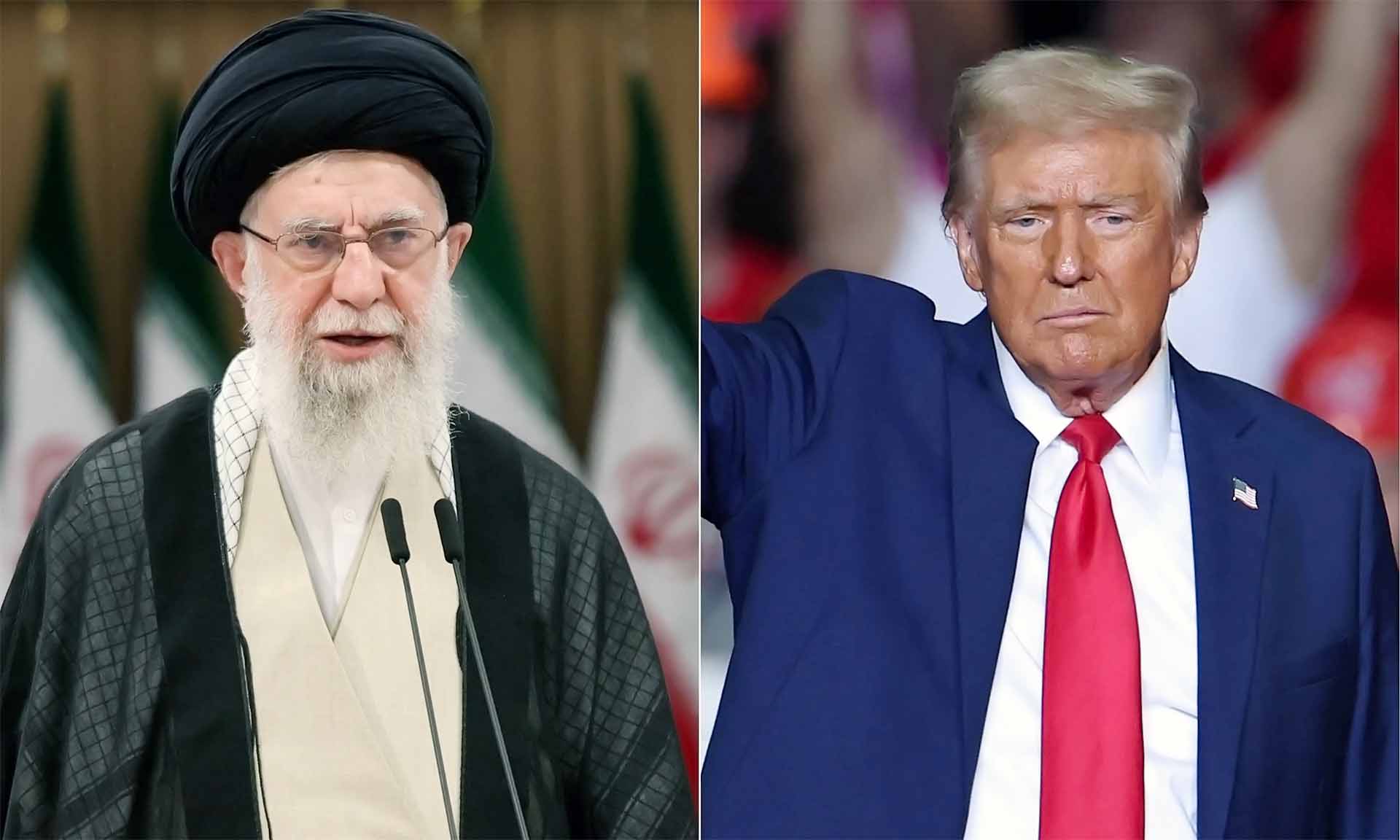
    In a statement posted on X, Supreme Leader Ayatollah Ali Khamenei stated, “What’s important is that when one realizes an enemy wants to impose something on one’s government or nation with false claims, they must stand firmly against that enemy.”

    “We won’t yield to them. With reliance on God and the confidence of the people’s support, we will bring the enemy to its knees,” he added.

    Russia

    Moscow is very concerned and has condemned what it calls an “act of armed aggression” by the United States against Venezuela, according to the Russian Ministry of Foreign Affairs. The ministry emphasized that it is important to prevent further escalation and to focus on resolving the issue through dialogue.

    The ministry emphasized that “Venezuela must be guaranteed the right to determine its own destiny without any destructive military intervention from outside. We reaffirm our solidarity with the Venezuelan people and support for their leadership’s policy of defending the country’s national interests and sovereignty,” it added. The ministry also expressed extreme concern about the capture of President Maduro and his wife, stating that such actions constitute an unacceptable violation of the sovereignty of an independent state.

    United States

    In a statement posted on X, U.S. Attorney General Pam Bondi announced that Maduro and his wife have been indicted in the Southern District of New York. “Nicolas Maduro has been charged with narco-terrorism conspiracy, cocaine importation conspiracy, possession of destructive devices and machine guns, and conspiracy to possess machine guns and destructive devices against the United States. They will soon face the full force of American justice in American courts,” she said.

    Meanwhile, Republican Senator Mike Lee announced that the U.S. has completed its military action in Venezuela following the capture of Maduro. He said he anticipates no further action now that Maduro is in U.S. custody, stating this after a telephone call with U.S. Secretary of State Marco Rubio.

    United Kingdom

    British Prime Minister Keir Starmer stated that the UK was not involved in the United States’ strikes on Venezuela and expressed his intent to speak with President Trump to gather the full facts of what had occurred. “I want to establish the facts first. I want to speak to President Trump. I want to speak to our allies. I can be absolutely clear that we were not involved … and I believe we should all uphold international law,” he said in a statement to British broadcasters.

    European Union

    The EU High Representative for Foreign Affairs and Security Policy, Kaja Kallas, stated that she has spoken with US Secretary of State Marco Rubio and the EU ambassador in Caracas regarding the latest developments in Venezuela.

    “The EU is closely monitoring the situation in Venezuela,” Kallas said in a statement on X. “The EU has repeatedly asserted that Mr. Maduro lacks legitimacy and has advocated for a peaceful transition. Under all circumstances, the principles of international law and the UN Charter must be respected. We call for restraint. The safety of EU citizens in the country is our top priority.”

    Germany

    In a statement to the AFP news agency, Germany’s foreign ministry expressed that it is “monitoring the situation in Venezuela very closely and following the latest reports with great concern.” The foreign ministry added that it is in close contact with the embassy in Caracas and that the government’s crisis team is in session, coordinating closely with its partners.

    Italy

    Prime Minister Giorgia Meloni indicated that she is “closely monitoring the situation in Venezuela,” with the goal of “gathering information about our fellow citizens” in the country. Meloni mentioned that she is in constant contact with Italy’s Foreign Minister, Antonio Tajani. Approximately 160,000 Italians currently reside in Venezuela, most of whom hold dual citizenship.

    Indonesia

    Indonesia is keeping an eye on developments in Venezuela to ensure the safety of its citizens, stated Foreign Ministry Spokesperson Yvonne Mewengkang. “Indonesia also calls on all relevant parties to prioritize a peaceful resolution through de-escalation and dialogue while focusing on the protection of civilians. Indonesia emphasizes the importance of respecting international law and the principles of the UN Charter.”
  • Iran’s Khamenei Urges Putting Rioters ‘in their Place’ Amid Protests

    Iran’s Khamenei Urges Putting Rioters ‘in their Place’ Amid Protests

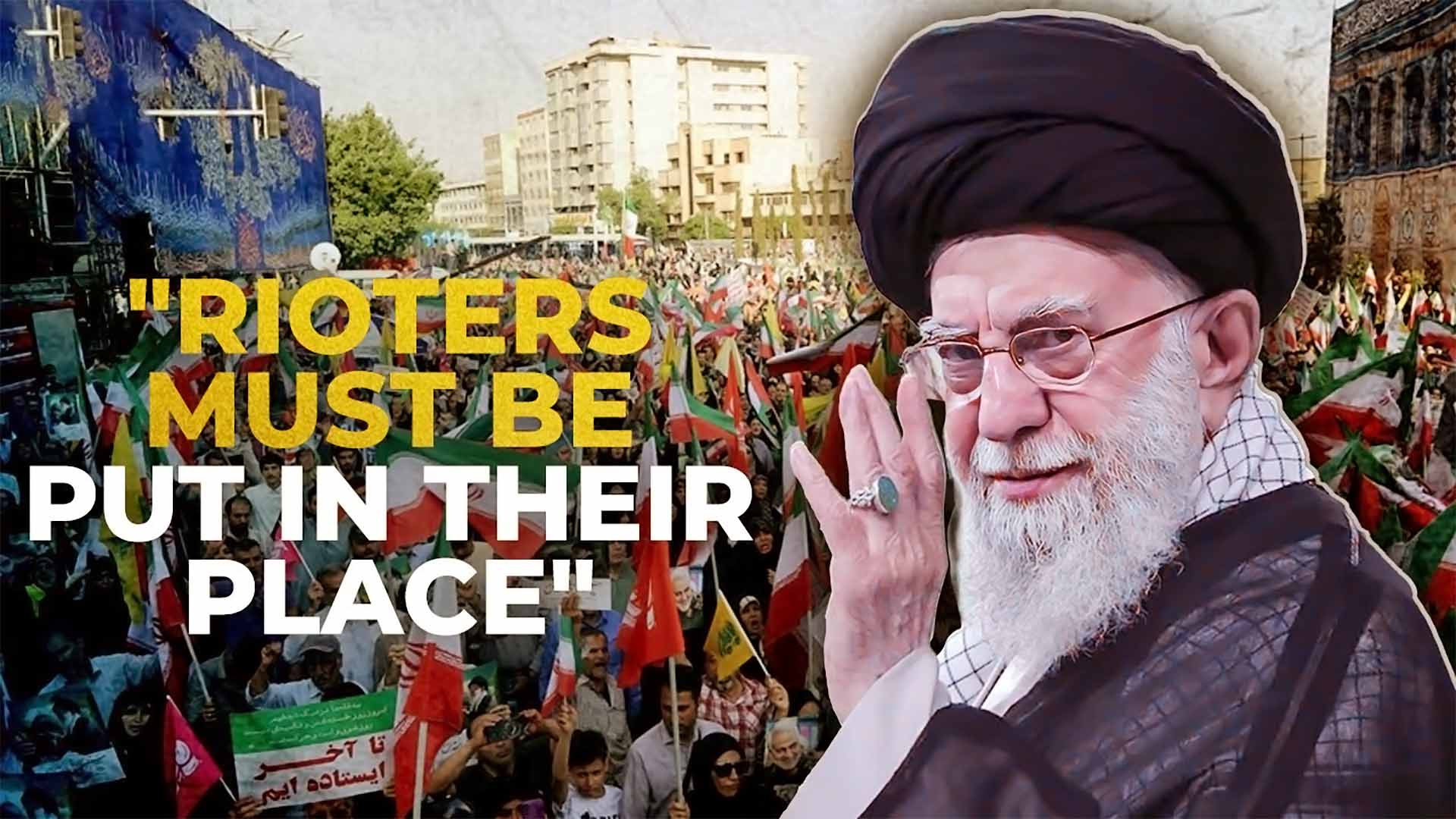
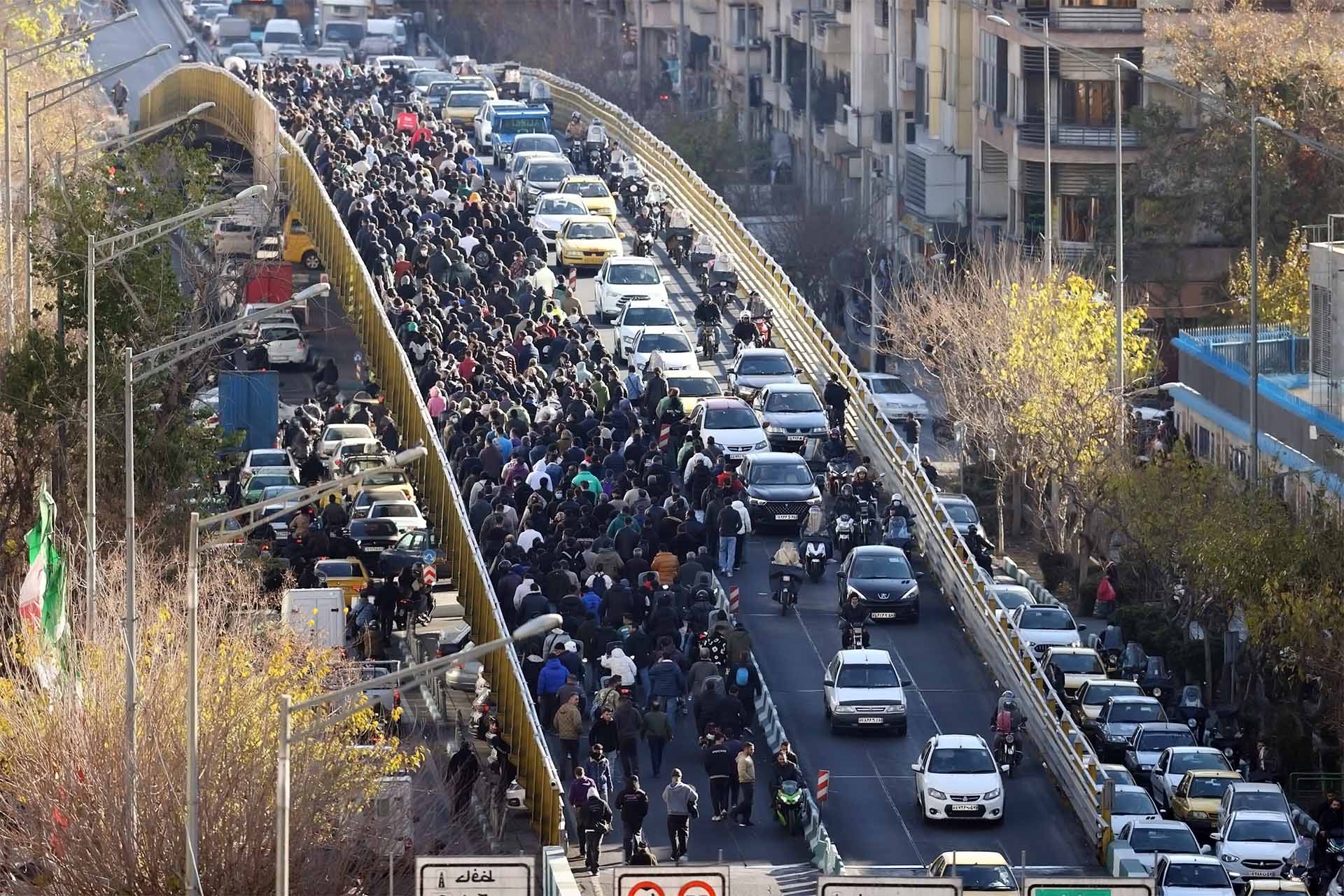
    Iran’s Supreme Leader Ayatollah Ali Khamenei said that “rioters must be put in their place” after a week of protests shaking the country.

    Khamenei, who is 86, made his first comments on Saturday as violence related to the protests over Iran’s struggling economy has resulted in at least 10 deaths.

    The protests continue, especially after U.S. President Donald Trump threatened Iran on Friday. He stated that if Tehran “violently kills peaceful protesters,” the U.S. “will come to their rescue.” It is unclear if or how Trump will intervene, especially after a major U.S. military attack on Venezuela and the supposed capture of President Nicolas Maduro. His comments led to immediate anger from Iranian officials.

    Iran’s UN Ambassador Amir Saeid Iravani wrote to the UN Secretary-General and the President of the UN Security Council, asking them to condemn Trump’s “unlawful threats” against Iran. Ali Larijani, secretary of the Supreme National Security Council, said that U.S. interference “causes chaos in the entire region and harms U.S. interests.”

    These protests are the largest in Iran since 2022, when the death of 22-year-old Mahsa Amini in police custody led to nationwide protests. However, these protests so far have not been as widespread or intense as those that followed Amini’s death, which happened after she was detained for not wearing her hijab as authorities required.

    Foreign Powers Were Pushing the Protests – Khamenei

    In a speech in Tehran, Khamenei spoke about the protests in Iran over the collapsing rial. He tried to draw a line between the protesting Iranians, who are concerned about the economy, and what he called “rioters.”

    “We need to talk to protesters; officials must engage with them,” Khamenei said. “But there’s no point in talking to rioters. They need to be dealt with.”

    He repeated a claim often made by Iranian officials, saying foreign powers like Israel and the U.S. are encouraging the protests, but he provided no proof. He also blamed “the enemy” for the drop in the rial.

    “A group incited or hired by the enemy is encouraging shopkeepers and tradesmen to chant slogans against Islam, Iran, and the Islamic Republic,” he said. “This is what really matters.”

    Khamenei also stated that the U.S. “must and will leave” the region.

    “With the determination of the nations in the region, America must and will exit this area,” he declared.

    Economic Downturn

    Iran’s civilian government, led by reformist President Masoud Pezeshkian, has been trying to convey its willingness to negotiate with protesters. However, Pezeshkian has acknowledged the limitations on his ability to act, as Iran’s rial has rapidly depreciated, which initially sparked the protests.

    The recent protests are driven by economic issues. Demonstrators are expressing their dissatisfaction with the government and have clashed in several cities. These clashes have led to multiple deaths and many arrests, according to Iranian authorities.

    Since the war with Israel in June, during which the U.S. bombed nuclear sites in Iran, Tehran has struggled to stabilize its economy.

    Recently, Iran announced that it is no longer enriching uranium at any of its sites, signaling to the West its openness to potential negotiations regarding its nuclear program in an effort to ease sanctions.

    However, these talks have yet to materialize, as U.S. President Trump and Israeli Prime Minister Benjamin Netanyahu have threatened Tehran over both its nuclear and missile programs.

  • Trump Warns US Will Interfere if Iran Kills Protesters

    Trump Warns US Will Interfere if Iran Kills Protesters

    U.S. President Donald Trump has warned Iran’s leaders not to harm peaceful protesters. He said that the U.S. “will come to their rescue.”

    In a short post on social media, he stated, “We are locked and loaded and ready to go,” but he did not give further details.

    A senior adviser to Iran’s Supreme Leader, Ayatollah Ali Khamenei, responded, advising Trump to “be careful” if he intervenes, warning of potential chaos across the Middle East.

    Reports indicate that at least eight people have been killed in Iran following almost a week of mass protests triggered by worsening economic conditions.

    In his post on Truth Social, Trump wrote, “If Iran shoots and violently kills peaceful protesters, which is their custom, the United States of America will come to their rescue.”

    The U.S. President did not specify what actions Washington might take against the Iranian authorities.

    In June, the U.S. conducted strikes against Iran’s nuclear sites under Trump’s orders. American officials later argued that these strikes significantly hindered Tehran’s ability to develop a nuclear weapon, a claim disputed by Iran.

    In retaliation, Iran launched a missile attack on a major U.S. military base in Qatar.

    Khamenei Adviser Warns Trump

    Shortly after Donald Trump’s latest social media post, Ali Larijani, an adviser to Khamenei, issued his own warning.

    “Trump should know that US interference in this internal matter would mean destabilizing the entire region and jeopardizing America’s interests,” he wrote.

    However, some protesters expressed that intervention from the US would be welcome.

    “They [security forces] are afraid and shake to their bones when Mr. Trump or Mr. (Israeli Prime Minister Benjamin) Netanyahu says something,” a young woman protesting in Tehran told the BBC’s Newshour programme. Preferring to remain anonymous for her own safety, she mentioned that protesters had been seeking US support for years because the security forces “believe that if Trump says something, he will do it,” and they “know that if anything happens, they would have to face the consequences.”

    Casualties Amid Protests

    On Thursday, six people in Iran were reported to have been killed during the fifth day of protests. According to the semi-official Fars news agency and the human rights group Hengaw, two people died in clashes between protesters and security forces in the southwestern city of Lordegan. They were identified as Ahmad Jalil and Sajjad Valamanesh, both confirmed as protesters.

    Three individuals were reported killed in Azna, and another died in Kouhdasht, all in the western part of the country. Fars did not specify whether these victims were demonstrators or security force members. Additionally, one death was reported in Fuladshahr, central Iran, and another casualty occurred in Marvdasht, in the south.

    Footage shared on social media depicted cars set on fire during violent confrontations between protesters and security forces.

    Earlier, Iranian officials stated that a young member of the country’s security forces had been killed on Wednesday in the western city of Kouhdasht. However, protesters claimed that the man was actually one of their own and had been shot dead by the security forces.

    On Friday, clashes erupted during the burial ceremony for the slain man, which was attended by thousands of mourners. Uniformed members of the security forces attempted to carry his coffin, but the crowd wrested it from them and chased them away.

    Why Protests Erupted Across the Country?

    The protests started on Sunday in Tehran, driven by shopkeepers’ anger over another significant decline in the value of the Iranian currency, the rial, against the US dollar in the open market.

    By Tuesday, university students had joined the demonstrations, which spread to several cities, with many people chanting against the country’s clerical leaders.

    President Masoud Pezeshkian has stated that he will listen to the “legitimate demands” of the protesters.

    In response, the country’s Prosecutor-General, Mohammad Movahedi-Azad, warned that any attempt to create instability would be met with a “decisive response.”

  • Zelensky Appoints GUR Chief Kyrylo Budanov as His Chief of Staff

    Zelensky Appoints GUR Chief Kyrylo Budanov as His Chief of Staff

    Ukrainian President Volodymyr Zelensky has appointed Kyrylo Budanov, the military intelligence chief, as his new chief of staff. This decision comes as Ukraine and the United States work on a 20-point plan aimed at ending Russia’s war.

    “Ukraine needs to prioritize security issues, the development of the Defense and Security Forces, as well as the diplomatic aspects of negotiations. The Office of the President will primarily focus on fulfilling these tasks for our country,” Zelensky stated on X on Friday.

    “Kyrylo has the specialized experience and the strength needed to achieve these results,” he added.

    This appointment of Budanov, who heads the Main Directorate of Intelligence (GUR) in the Ministry of Defense, comes at a critical time in the nearly four-year conflict with Russia. Zelensky announced on Wednesday that the U.S.-brokered deal to end the war is “90 percent” ready.

    Budanov has been recognized for executing a series of bold operations against Russia since the start of its all-out assault on Ukraine in 2022. At 39 years old, he has led the GUR since his appointment by Zelensky in August 2020.

    A seasoned military intelligence officer, Budanov climbed the ranks within the defense establishment following Russia’s illegal annexation of Crimea in 2014.

    Since the beginning of the Russia-Ukraine war, Budanov has become a key figure in Ukraine’s intelligence efforts. He often gives interviews and briefings that aim to send strategic messages and apply psychological pressure on Moscow.

    Budanov has consistently warned about Russia’s long-term goals for Ukraine and the region. He describes the conflict as a vital struggle for Ukraine’s independence and statehood.

    Russian Forces Attack Kharkiv

    On Friday, a Russian strike on residential buildings in the northeastern Ukrainian city of Kharkiv wounded 19 people, including a six-month-old baby, according to Kharkiv regional governor Oleh Syniehubov in a post on Telegram.

    This attack followed a day after Russia accused Kyiv of launching a strike on a hotel and a cafe in the occupied southern regions of Ukraine, which resulted in 27 fatalities. Russia warned of “consequences.” Ukraine claimed that the attack targeted a military gathering that was closed to civilians.

    Images captured by the AFP news agency from the site of the Russian strike in Kharkiv depicted damaged multistory buildings, piles of smoldering rubble, and firefighters working to extinguish the blaze.

    President Volodymyr Zelensky described the attack as “heinous” and stated on social media that “preliminary reports indicate two missiles struck an ordinary residential area.”

    “Unfortunately, this is how the Russians treat life and people—they continue killing, despite all efforts by the world, and especially by the United States, in the diplomatic process,” he added.

    Procedures to formally appoint Zelensky’s chief of staff have been initiated, as confirmed by his adviser Dmytro Lytvyn to journalists.

    Zelensky also announced that Oleh Ivashchenko, the chief of the Foreign Intelligence Service, will succeed Kyrylo Budanov as head of the GUR.

    Budanov will take over from Andriy Yermak, a controversial figure in Kyiv. Yermak, who was honored as a Hero of Ukraine and was known to be Zelensky’s most important ally, resigned in November after investigators raided his home as part of a sweeping corruption probe.

    The scandal involving Yermak, who was also Kyiv’s lead negotiator in US-backed peace talks, fueled public anger over ongoing high-level corruption. Opponents accused him of amassing significant power, acting as a gatekeeper to the president, and ruthlessly sidelining critical voices.

  • Ukraine Denies Involvement in Drone Attack on Putin’s Residence

    Ukraine Denies Involvement in Drone Attack on Putin’s Residence

    President Volodymyr Zelensky has denied Russia’s claims that Ukraine attacked one of President Vladimir Putin’s residences with drones. He accused Moscow of trying to disrupt peace talks.

    Russia’s Foreign Minister, Sergei Lavrov, said Ukraine used 91 long-range drones on Sunday night to target Putin’s residence in the Novgorod region of Russia.

    Following the alleged attack, Russia announced it would review its stance in peace negotiations. It is not clear where Putin was during this time.

    Zelensky called the claims “typical Russian lies” and suggested they serve as an excuse for Russia to continue its attacks on Ukraine. He pointed out that Russia has previously targeted government buildings in Kyiv and warned that this latest accusation could lead to more strikes on Ukraine.

    “Everyone needs to stay alert right now. A strike could happen in the capital,” Zelensky told reporters on Monday. He described Russia’s comments as a “threat.”

    He also said Russia is “looking for reasons” to keep attacking Ukraine and sees any progress toward a ceasefire as a “failure.”

    Zelensky emphasized on X: “The world must not stay silent now. We cannot let Russia undermine efforts to achieve lasting peace.”

    Russia to Change Its Negotiating Position

    On Monday, Russian Foreign Minister Sergey Lavrov said that Russian air defense systems intercepted and destroyed all 91 drones that were launched at President Putin’s residence. He also mentioned that there were no injuries or damage from the attack.

    Lavrov stated, “Because of the complete deterioration of the Ukrainian government, which has turned to state terrorism, Russia will revise its negotiating position.” However, he noted that Russia does not plan to stop negotiating with the United States, according to the Russian news agency Tass.

    On Tuesday, the Kremlin said it would not provide proof of the alleged attack. A spokesman told reporters that Russia would now take a tougher negotiating stance.

    Ukraine’s Foreign Minister Andrii Sybiha urged other countries to ignore Russia’s “false claims.” He said, “Almost a day has passed, and Russia still hasn’t provided any credible evidence for its accusations about Ukraine’s supposed ‘attack on Putin’s residence.’ They won’t, because there is none. No such attack happened.”

    Moscow’s claims followed talks between the U.S. and Ukraine in Florida on Sunday, where Presidents Trump and Zelensky discussed a new peace plan to end the war. After the meeting, Zelensky told Fox News on Monday that there was a “chance to end this war” by 2026. He emphasized that Ukraine cannot win the war without U.S. support.

    “My view of President Trump’s sanctions and economic measures shows that he’s ready to take strong actions,” Zelensky said. “In this situation, the United States can help us achieve peace more quickly.”

    I Don’t Trust Putin – Zelensky

    The president of Ukraine, Volodymyr Zelensky, told Fox News that he does not trust Putin. He believes that Putin does not want Ukraine to succeed. Zelensky mentioned that the US provided Ukraine with security promises for 15 years, and Trump said they were close to finalizing this agreement.

    Zelensky pointed out that the main issues left to resolve are territorial concerns and the Russian-occupied Zaporizhzhia nuclear plant. There has been little progress regarding the Donbas region, which Russia wants to take completely. Currently, Russia controls about 75% of the Donetsk region and nearly 99% of the Luhansk region. Together, these regions are called Donbas. Russia has rejected important parts of the ongoing plan.

    On Monday, the White House reported that President Trump had a “positive call” with Putin after the US-Ukraine talks.

    Yuri Ushakov, a Kremlin foreign policy advisor, shared that during the call, Putin mentioned an alleged attack on his residence occurred soon after what the US considered a successful round of talks. Ushakov said, “The US president was shocked and angry about this information. He couldn’t believe such reckless actions. This will certainly affect how the US works with Zelensky.”

  • Iran Warns of ‘Severe’ Response after Trump’s New Strikes Threat

    Iran Warns of ‘Severe’ Response after Trump’s New Strikes Threat

    Iran has promised to respond strongly to any attacks after U.S. President Donald Trump threatened more military action if Tehran tries to rebuild its nuclear program or missile capabilities.

    President Masoud Pezeshkian made this warning on X on Tuesday, one day after Trump met with Prime Minister Benjamin Netanyahu at his Florida estate. During this meeting, Trump strongly supported Israel’s position in the region.

    The U.S. had not previously said it would target Iran’s missile capabilities, which is an important goal for Israel. Instead, the focus has been on Iran’s nuclear program. Iran insists that its nuclear activities are for peaceful purposes. U.S. intelligence and the U.N. nuclear watchdog have not found any evidence of nuclear weapons production before the attacks by the U.S. and Israel in June.

    Iran has refused to negotiate about its missile program. These comments from both leaders raise concerns about a new conflict, just months after a 12-day war in June that killed over 1,100 Iranians and 28 Israelis.

    Pezeshkian said that any aggression would lead to a “severe and regret-inducing” response from Iran. His statement came shortly after Trump told reporters at Mar-a-Lago that the U.S. could carry out another major attack on Iran.

    “Now I hear that Iran is trying to build up again, and if they are, we’re going to have to knock them down,” Trump said while standing next to Netanyahu. “We’ll knock the hell out of them.”

    Trump also stated that he would support immediate strikes on Iran’s nuclear program and missile facilities if Tehran continues developing long-range weapons.

    Iran is Rebuilding Its Ballistic Missile Stockpile, Israeli Forces Say

    Israeli officials are worried that Iran is rebuilding its stockpile of ballistic missiles after significant losses during the June conflict.

    One Israeli official told Ynet that if the U.S. does not reach an agreement with Iran to stop its ballistic missile program, a confrontation with Tehran might be necessary.

    Pezeshkian described the situation as a “full-scale war” involving the U.S., Israel, and Europe. He said this conflict is “more complicated and more difficult” than Iran’s war with Iraq in the 1980s, which killed over one million people.

    In June, Israel carried out nearly 360 strikes across 27 Iranian provinces in 12 days, according to the conflict monitoring group ACLED. The attacks focused on military bases, nuclear plants, and government buildings. They destroyed many Iranian missiles and killed several important military leaders and scientists.

    In response, Iran fired over 500 missiles at Israel, with some landing in towns. While Trump claimed that the strikes “completely obliterated” Iran’s nuclear capabilities, experts disagreed, saying Iran may still have hidden stockpiles of enriched uranium and could restart production within months.

    Despite the damage, Iranian officials say they are now better prepared. Pezeshkian recently stated that Iran’s military forces are “stronger in terms of equipment and manpower” than they were before the ceasefire.

    The war did not lead to the internal unrest that Netanyahu expected. There were no significant protests, and daily life in Tehran continued normally despite the attacks.

  • Moscow May Benefit More Than Lose from US Intervention in Venezuela

    Moscow May Benefit More Than Lose from US Intervention in Venezuela

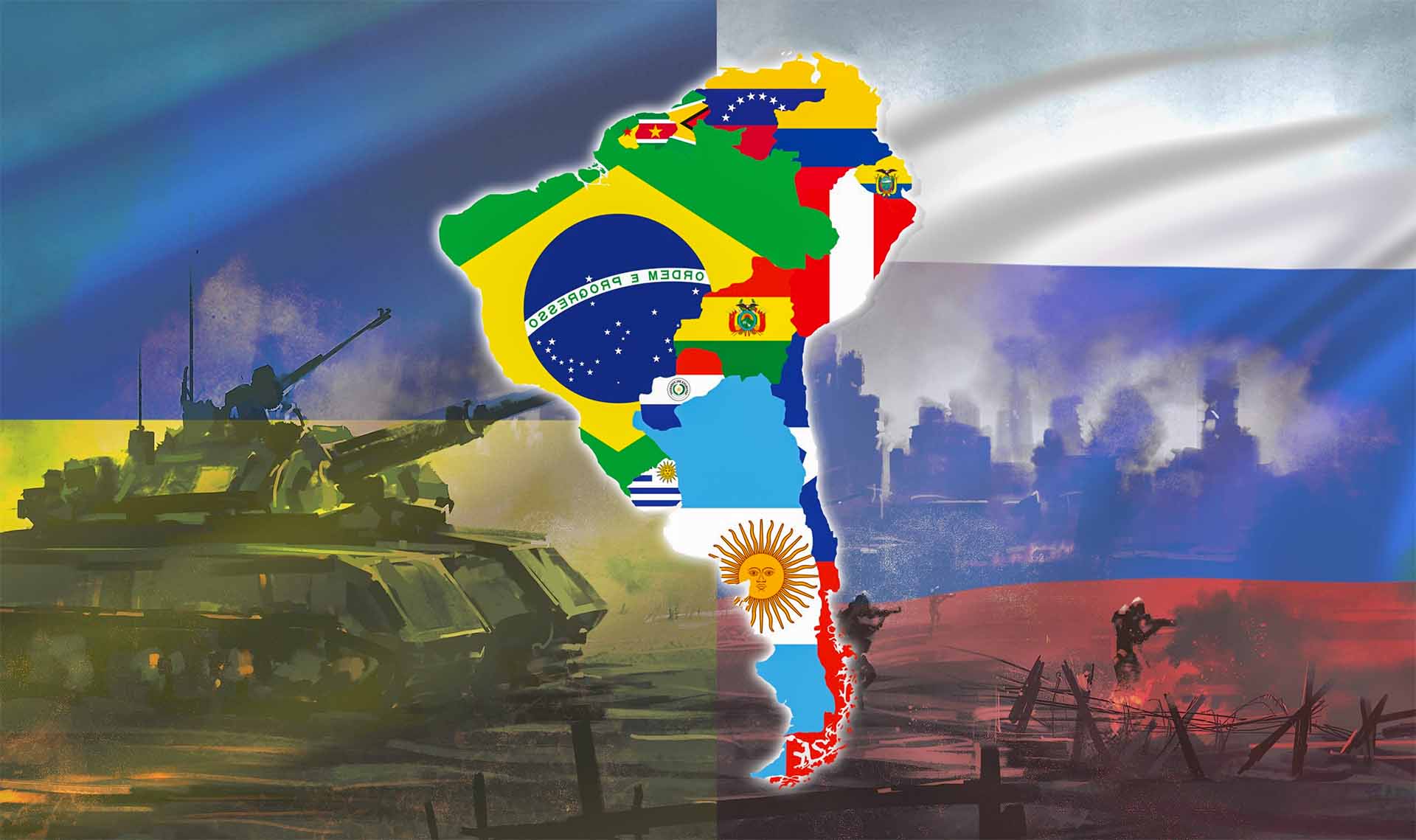
    President Donald Trump’s growing threats to Venezuela may seem random, but they are part of larger global conflicts. This situation is not just a regional issue; it has broader implications.

    Venezuela is becoming a bargaining chip in the struggle between major world powers, similar to Ukraine.

    In his history of World War II, Antony Beevor shows how different conflicts around the globe, like the Nanjing massacre in China, Mussolini’s invasion of Abyssinia, and the Spanish Civil War, contributed to the start of the war.

    This does not mean we are heading toward a third world war, but the risk is always present. As long as Trump and Russian President Vladimir Putin focus more on making deals than on fighting, it is more likely that they will reach an agreement than that a global war will occur.

    Venezuela may not be a superpower, but it is important globally. It has the largest proven oil reserves in the world and is a political ally of China, Iran, and Russia, all countries that the US sees as rivals. Among these, Russia has the most complicated relationship with Venezuela. The US’s actions carry risks for Russia, but there may also be benefits.

    A significant factor in this situation is the surprising improvement in US-Russia relations during Trump’s second term.

    The War is Ending on His Terms

    Since Vladimir Putin became president in 2000, the Kremlin has seen the United States as an unreliable partner and later as an enemy, believing the US aims to divide and control countries in the former Soviet Union.

    Things changed when Donald Trump returned to the White House in early 2025. The US largely stopped its financial aid to Ukraine and took a neutral stance, although it still provides important intelligence to the Ukrainian military. In its latest National Security Strategy, the US even removed Russia from the list of “direct threats.”

    As peace talks regarding Ukraine, started by Trump, slowly move forward, Putin may think that the war will end on terms favorable to him. Despite showing defiance, Ukrainian President Volodymyr Zelenskyy recently indicated he might agree to withdraw Ukrainian forces from northern Donbas, which is one of Russia’s main demands in the negotiations. This is just one of several concessions he has mentioned he might consider in 2025, while the Kremlin stays firm in its position.

    At the same time, European Union countries have struggled to agree on a reparations loan that could provide steady funding for Ukraine in the future. A last-minute, cheaper alternative was suggested, but this situation shows the limits of Europe’s support for Ukraine.

    Given these factors, it is not a good time for the Kremlin to risk its complicated but generally beneficial relationship with Trump’s administration over an issue as unrelated to Russia’s main interests as Venezuela.

    Russia may make the expected public statements. Vassily Nebenzia, Russia’s envoy to the United Nations, accused the US of “aggressive neocolonialism” by pressuring Venezuela. He claimed the US is “cynically imposing its order” to maintain global control and exploit other countries’ resources without consequences.

    This refers to the US’s demands for Venezuela to allow American oil companies back in, which used to control much of the country’s oil industry before it was gradually nationalized in the 1970s.

    Military Attack on Venezuela Potentially Exceeds the Losses

    The potential fall of Nicolas Maduro’s government is unlikely to be a disaster for Russia. Russia has shown it can adapt to new governments that replace its traditional allies in countries affected by U.S. regime change, as seen in Iraq and Syria.

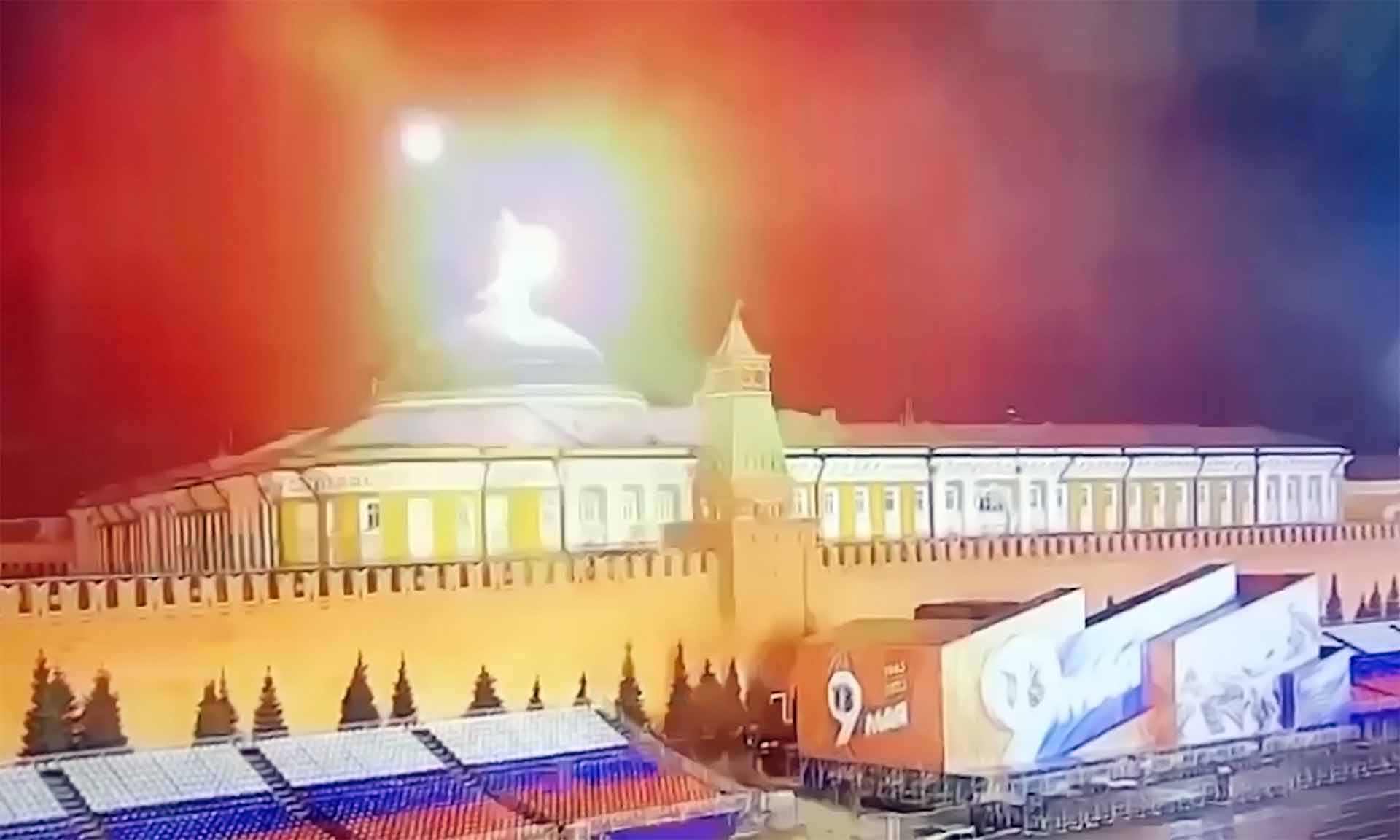
    There are also political calculations to consider. A U.S. military attack on Venezuela might have more benefits than drawbacks for Russia. Such an attack would put Russia and the U.S. on equal moral ground regarding the war in Ukraine. If the U.S. can use military force in what it calls “its backyard,” why can’t Russia do the same within its own sphere? U.S. actions in Venezuela could justify Russian actions in Ukraine for many, especially in the Global South. This would further divide the U.S. from Europe and increase polarization within the U.S. itself.

    If the Trump administration also pursues its goal of occupying Greenland along with actions in Venezuela, the situation could become even better for Russia. This could create opportunities for better relations with the EU part of Europe, which is currently Russia’s main global rival.

    Overall, Russians see themselves as defenders of the old order. They believe the U.S.-led West is trying to change the established post-World War II order, and they view the war in Ukraine as a way to push back against these changes.

  • US Cuts UN Humanitarian Aid To $2bn Amid Trump Demands for Reforms

    US Cuts UN Humanitarian Aid To $2bn Amid Trump Demands for Reforms

    The United States will contribute only $2 billion in humanitarian aid to the United Nations. This is a small amount compared to what the U.S. usually provides. The Trump administration is cutting back on foreign aid significantly.

    This new commitment, announced on Monday, is much lower than the up to $17 billion the U.S. has given in recent years as the UN’s main supporter. About $8 to $10 billion of that was voluntary funding, according to U.S. officials.

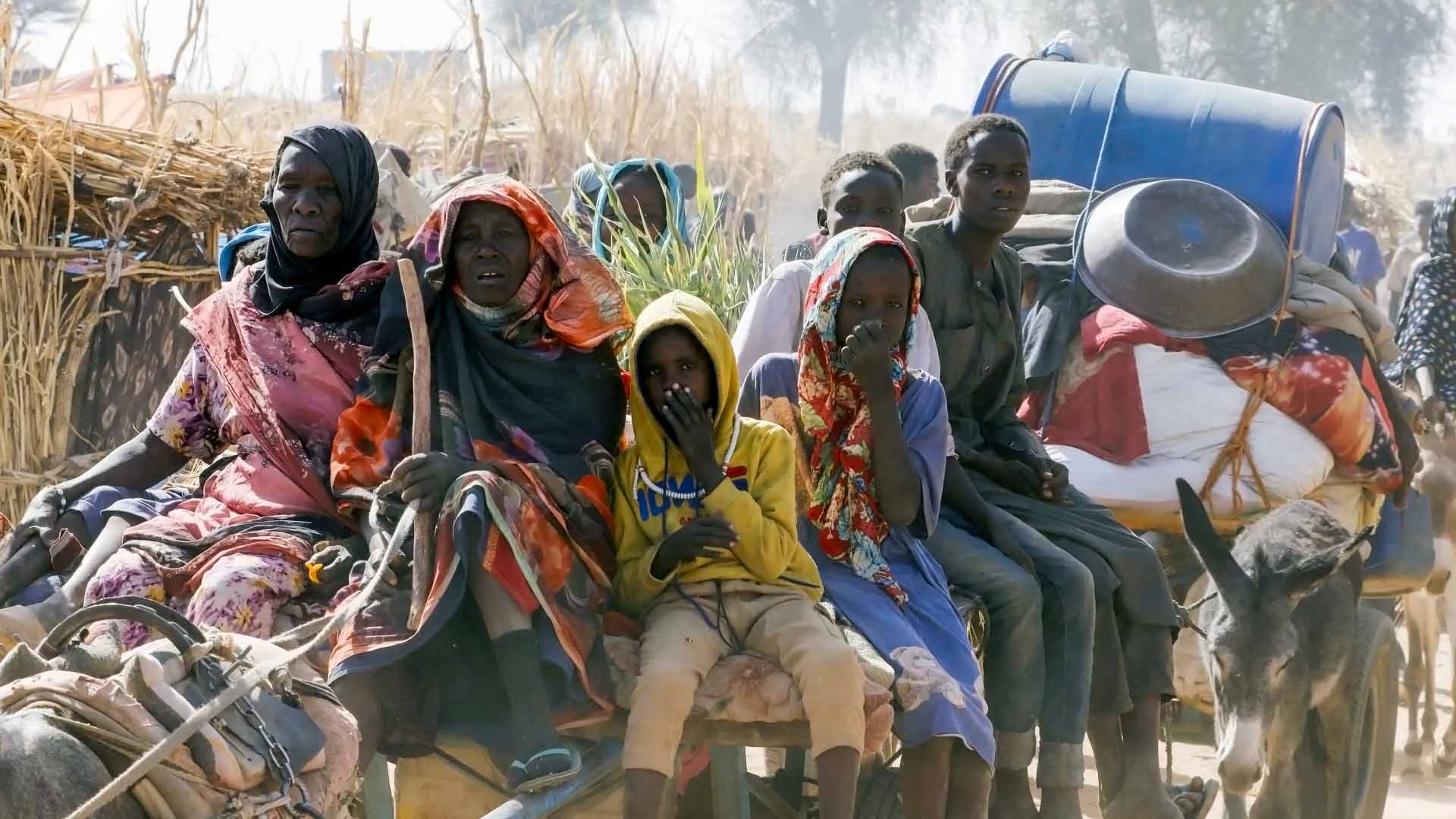
    Critics have strongly criticized these cuts, stating they lead to more deaths and hunger as millions of people around the world lose access to food, shelter, and basic aid.

    The $2 billion will be used for specific countries or crises, with 17 countries targeted at first. These include Bangladesh, the Democratic Republic of the Congo, Haiti, Syria, and Ukraine.

    Afghanistan and Palestine are not on this list. Officials say that aid for Palestine will come from funding related to Trump’s upcoming Gaza plan.

    Negative Consequences as Western Countries Reduce Aid

    Earlier this month, the United Nations (UN) asked for $23 billion in funding for 2026, but this is only half of what it needs. Western countries have cut their aid, which has led to these funding shortages.

    In June, the UN warned it would need to reduce its programs significantly because of the largest funding cuts ever in international aid.

    The Trump administration has weakened the main U.S. agency that provides foreign aid, the U.S. Agency for International Development (USAID). They have told UN agencies to “adapt, shrink, or die” in response to these changes.

    Other Western countries, including Germany, have also decreased their funding. The effects of these cuts are being felt quickly in the Middle East, South Asia, and Africa.

    In July, the UN High Commissioner for Refugees (UNHCR) said over 11 million refugees would lose access to aid. At that time, the agency had received only 23% of its $10.6 billion budget and expected its total budget to drop to $3.5 billion by the end of the year, which is not enough to help 122 million people.

    Basic services for Rohingya refugees in Bangladesh are in danger of collapsing, and education for more than 230,000 Rohingya children is likely to stop.

    The UN also predicted a rise in deaths from HIV/AIDS by 2029 due to the funding cuts. Additionally, the charity Doctors Without Borders reported that over 650 children have died from malnutrition in Nigeria because of the lack of international aid.

    Regulate the Spigot

    A senior U.S. official, speaking anonymously, told The Associated Press that the U.S. will provide $2 billion as part of a larger plan. In this plan, the UN humanitarian agency (OCHA) will manage the distribution of funds.

    The Trump administration wants UN agencies to have stronger leadership and authority, according to the official.

    OCHA chief Tom Fletcher has previously criticized the lack of international response to rising humanitarian needs, saying his agency is under pressure.

    Despite this, Fletcher praised the $2 billion agreement, stating that the U.S. is showing it can be a leader in humanitarian efforts.

  • US Launched Strikes on Islamic State in Nigeria

    US Launched Strikes on Islamic State in Nigeria

    The United States has carried out airstrikes against a group of fighters linked to the Islamic State in northwestern Nigeria. These fighters have been trying to take control of the area.

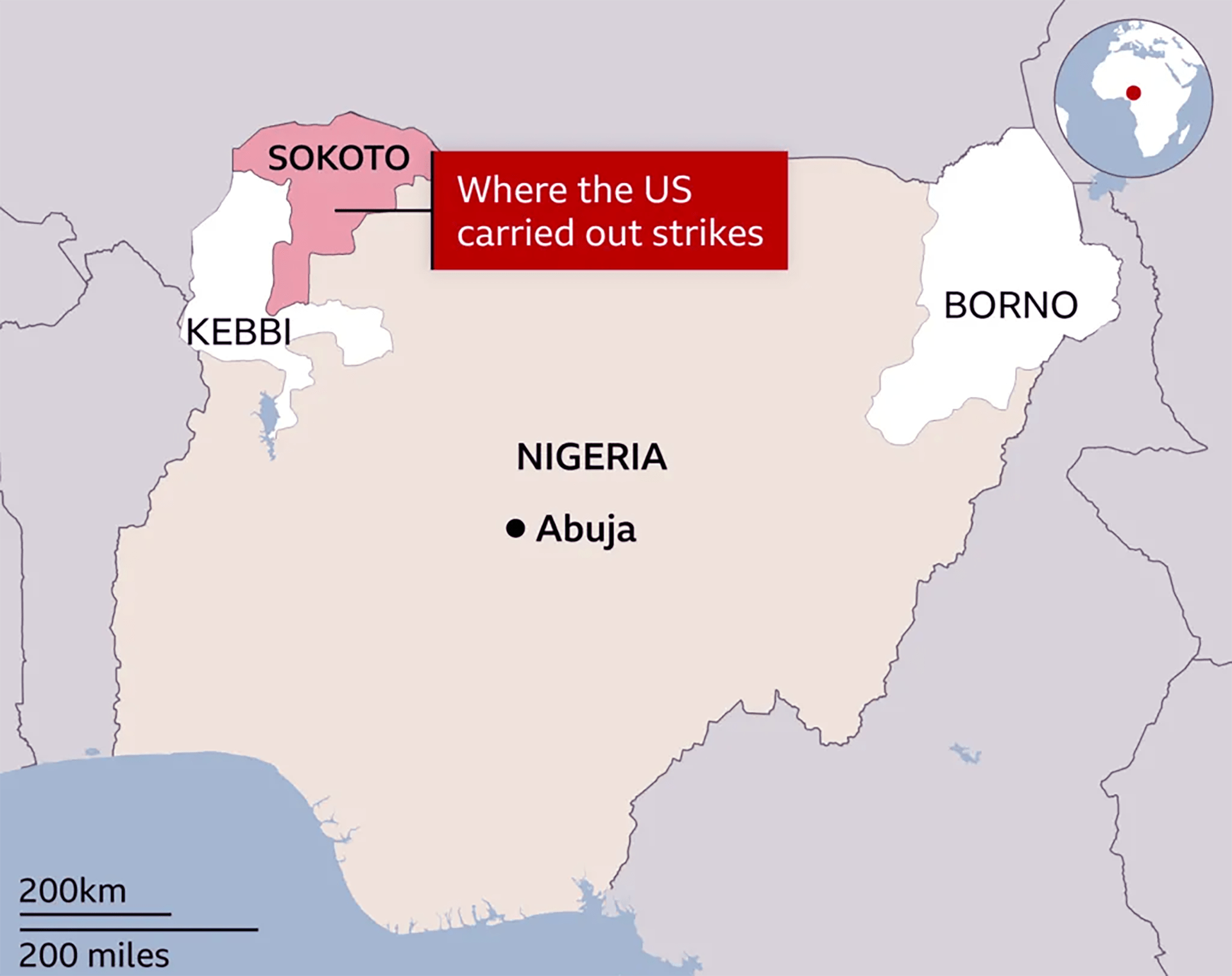
    The U.S. military attacked camps in Sokoto State, near the border with Niger. They found that several people may have been killed in the strikes.

    President Donald Trump called the strikes strong and said the fighters were dangerous people who target innocent Christians.

    Nigerian Foreign Minister Yusuf Maitama Tuggar said this was a joint operation and it wasn’t about any one religion.

    He also mentioned that they had planned the strikes for a long time and used information from Nigeria. More strikes could happen in the future.

    Tuggar explained that the timing of the attacks wasn’t because of Christmas; it was about stopping terrorists who harm Nigerians.

    For years, the Nigerian government has been fighting different groups that cause violence, especially in the northeast part of the country, which is far from Sokoto State.

    U.S. Attacked Late Thursday Night

    Eyewitness Umar Jabo told BBC News that the attack happened late Thursday night near the village of Jabo. He explained, “Everyone thought it was a plane. It crashed in the fields.”

    His statement was supported by images on social media, showing local people filming the burning aftermath in a field.

    Umar Jabo also said that no ISIS fighters were killed, adding, “Here in Jabo, we live peacefully, and there is no conflict between Christians and us.”

    The Trump administration has accused the Nigerian government of not protecting Christians from attacks by jihadists, claiming that a “genocide” is happening.

    Trump has called Nigeria a “country of particular concern.” This label, used by the U.S. State Department, allows for sanctions against countries that violate religious freedom severely.

    In November, the U.S. military was ordered to prepare for potential intervention in Nigeria.

    During that time, an adviser to Nigerian President Bola Tinubu stated in an interview with BBC News that militants were targeting individuals from various faiths. The adviser emphasized that any military action taken by the U.S. should be conducted jointly with Nigerian forces.

    No Evidence that Christians are Being Killed More Than Muslims

    Groups that monitor violence in Nigeria report there is no proof that Christians are being killed more than Muslims. The country has roughly equal numbers of both religions.

    On Christmas Day, Trump announced airstrikes, saying he would “not allow Radical Islamic Terrorism to prosper.”

    U.S. Defense Secretary Pete Hegseth thanked the Nigerian government for its support. He also wished everyone a “Merry Christmas!” in a post on X.

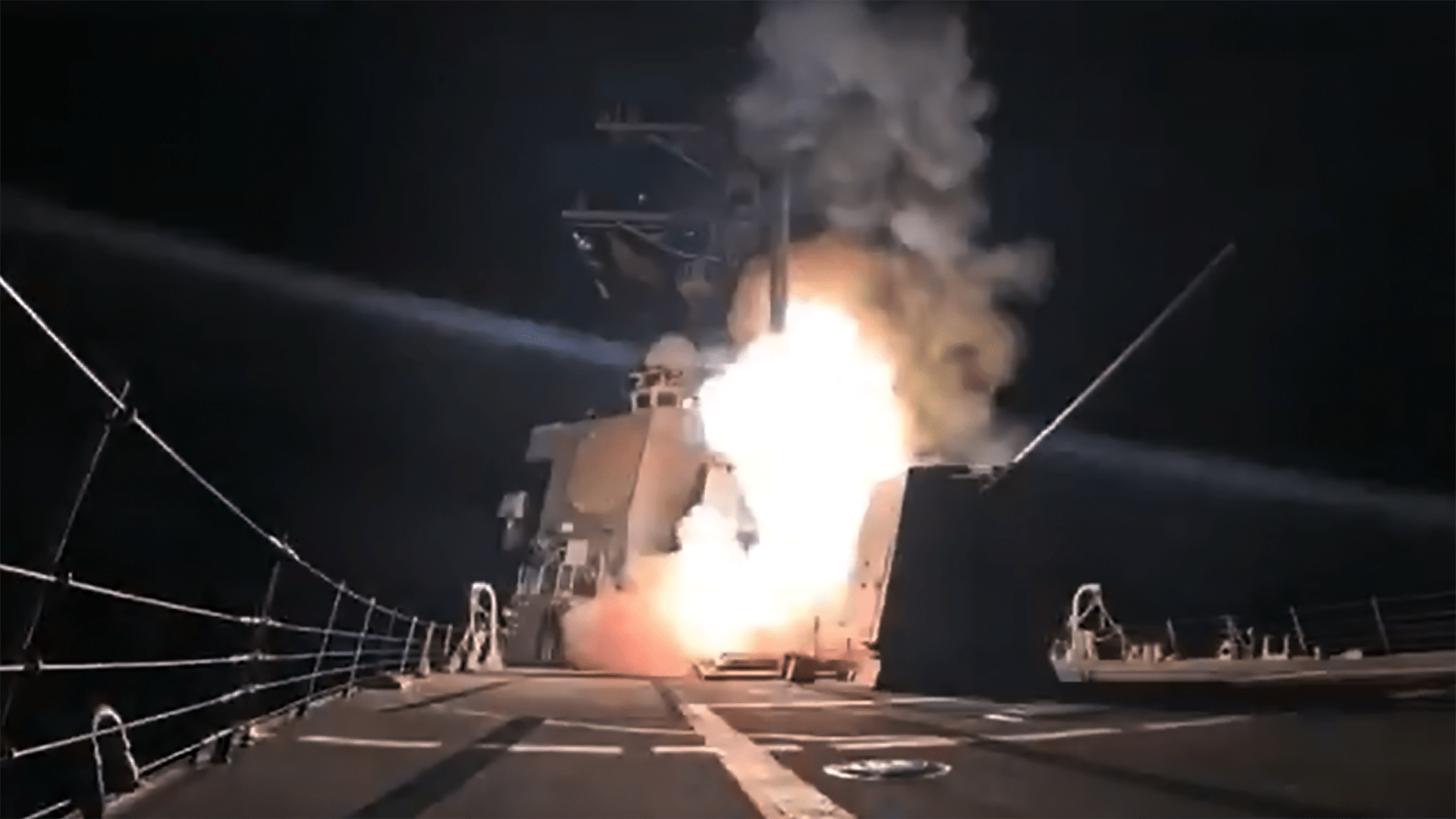
    The U.S. Department of Defense shared a video showing a missile being launched from a ship.


    US Launched Strikes on Islamic State in Nigeria


    On Friday morning, the Nigerian foreign ministry said the country is working closely with international partners, including the United States, to fight terrorism and violence.

    This cooperation has led to successful strikes against terrorist targets in the Northwest.

    Jihadist groups, like Boko Haram and their IS-connected branches, have caused trouble in northeastern Nigeria for over a decade, killing thousands of people. Reports from Acled show that most victims are Muslims.

    Bulama Bukati, a Nigerian human rights lawyer and conflict analyst, thinks Thursday’s strikes hit a new IS-aligned group that came from the Sahel region and moved to Nigeria.

    Bukati explained that the largest IS-linked group in Nigeria, the Islamic State West Africa Province, operates in the northeast. The smaller group, called Lakurawa, wants to establish a base in Sokoto state in the Northwest.

    “They started entering Nigeria in 2018, but in the last 18 months to two years, they have set up camps in Sokoto and Kebbi states,” he said. “They have been attacking people and imposing their rules in Sokoto state during this time.”

    Local official Bashar Isah Jabo said there are no IS or Lakurawa members in the village. He added that the missile landed less than 500 meters (1,600 feet) from a local hospital.

    Daily U.S. Reconnaissance Flights in Sokoto

    A pro-ISIS social media channel reports that U.S. reconnaissance flights are occurring almost daily in Sokoto and in Borno, the northeastern state where Nigeria’s largest ISIS-linked group operates.

    In central Nigeria, clashes occur frequently between mostly Muslim herders and farming groups, who are often Christian, over water and pasture access. Conflicts like these create ongoing violence, leading to many deaths. Both sides commit brutal acts.

    Recently, the U.S. military has launched two major operations against ISIS. Last week, it carried out a large strike on ISIS in Syria. U.S. Central Command (Centcom) said that fighter jets, attack helicopters, and artillery attacked over 70 targets in multiple locations across central Syria, with aircraft from Jordan also participating in the operation. These strikes were in retaliation for the deaths of three Americans, two soldiers and a civilian interpreter, who were killed in an ambush by the group.

  • Trump Expected to Reveal a Proposal for a “Peace Council” – Israeli Media

    Trump Expected to Reveal a Proposal for a “Peace Council” – Israeli Media

    The White House wants to move forward with the Gaza ceasefire process in January. However, Israeli Prime Minister Benjamin Netanyahu has resisted this plan, leading to tension with U.S. President Donald Trump’s team, according to Israeli media.

    According to Israel’s Channel 12, the U.S. aims to announce a new Palestinian technocratic government to manage daily affairs in Gaza in early January. This government is a key part of the second phase of the plan to end the conflict.

    The White House also plans to set up a multinational peace council to oversee the technocratic government and an international force to maintain security in Gaza next month.

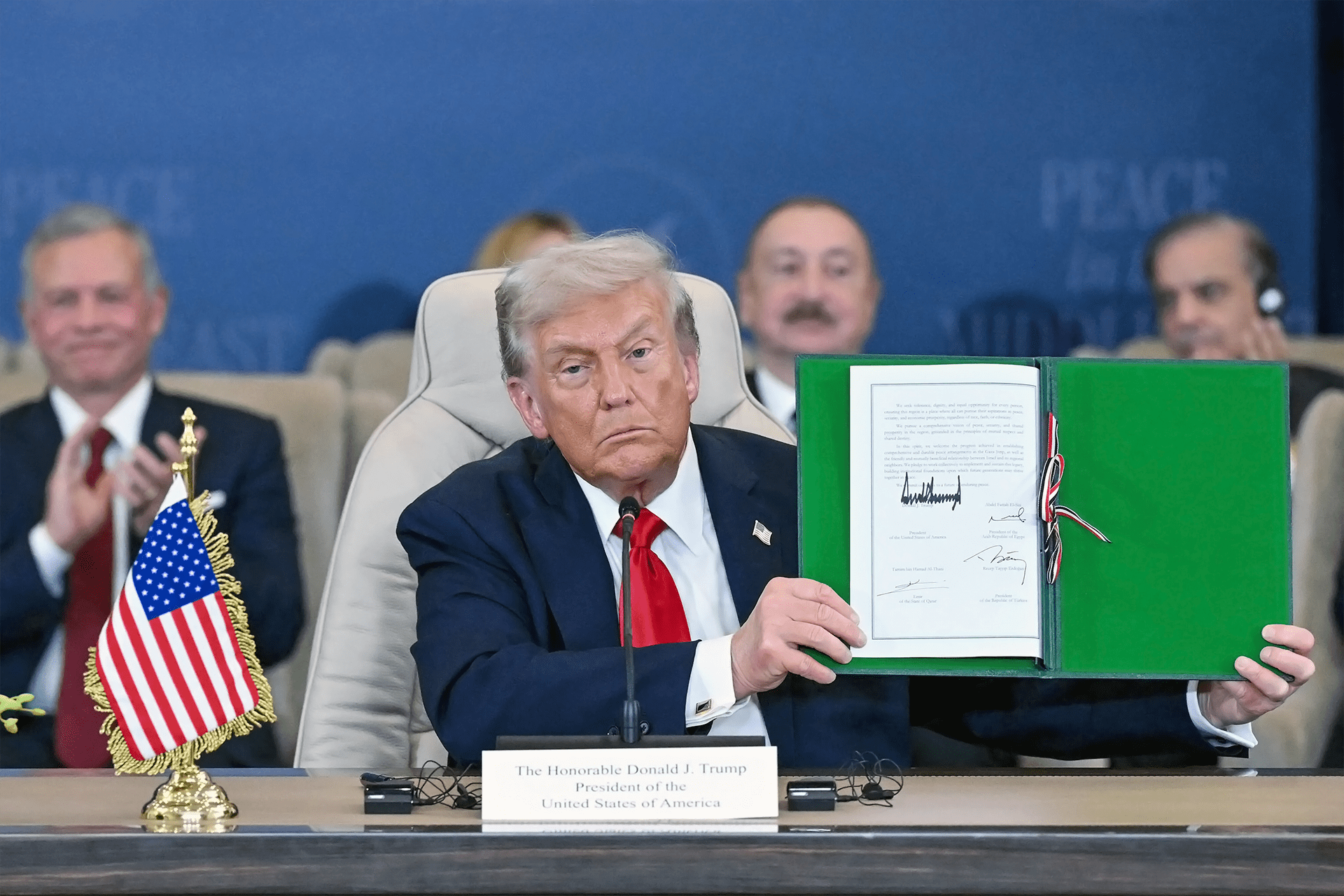
    Trump may announce the peace council, which he has mentioned he would lead, during the Davos Economic Forum on January 19.

    Additionally, the U.S. envisions starting a staged disarmament of Hamas and other Palestinian armed groups, managed by the new technocratic government, according to a senior White House official.

    Demilitarization of Hamas is a major part of the ceasefire plan approved by the United Nations Security Council in November. However, Hamas has not fully committed to this. Recently, Hamas leader Khaled Meshaal stated that the group would consider a temporary “freeze” on its weapons but would not agree to complete disarmament.

    Netanyahu Government Making It Tough

    Trump’s envoy, Steve Witkoff, recently informed Israeli officials about U.S. plans to move forward with the ceasefire process and create a new peace council, according to a senior Israeli official reported by Israel’s Channel 13.

    However, Prime Minister Netanyahu is skeptical about these plans, particularly regarding the proposed disarmament of Hamas, as another source told Israel’s Channel 12.

    This discussion comes after Israel has repeatedly violated the October ceasefire, putting its future at risk. During the 11-week truce, Israel has attacked Gaza nearly every day, killing at least 406 Palestinians, including many civilians, according to the Palestinian Ministry of Health.

    Israel has also blocked the full delivery of promised aid and continues to restrict important food items like meat, dairy, and vegetables.

    On Tuesday, Israeli Defense Minister Israel Katz stated that Israeli forces “will never leave Gaza,” even though the ceasefire plan calls for a complete withdrawal.

    The U.S. is frustrated by what it sees as Israel’s lack of respect for the truce and the tactics that delay progress in the peace process, as reported by Israel’s Channel 12.

    An anonymous U.S. official said, “It feels like the Israelis are having second thoughts about the Gaza agreement. Implementation is already difficult, but sometimes the Israelis make it even harder.”

    Daniel Levy, a former Israeli government adviser who leads the U.S./Middle East Project, said that Israel likely will not meet key ceasefire terms, such as fully withdrawing and allowing a technocratic Palestinian government in Gaza, unless it faces significant outside pressure.

    “Israel has no intention of withdrawing from Gaza. It does not want an international force that could limit its ability to act against Palestinians,” Levy said. “It also doesn’t intend to allow legitimate Palestinian governance in Gaza. Unless it is pushed to accept these factors, Israel will continue to resist.”