Author: Michael Johnes

  • Zelensky Warns Russia, China are Increasing Military Cooperation

    Zelensky Warns Russia, China are Increasing Military Cooperation

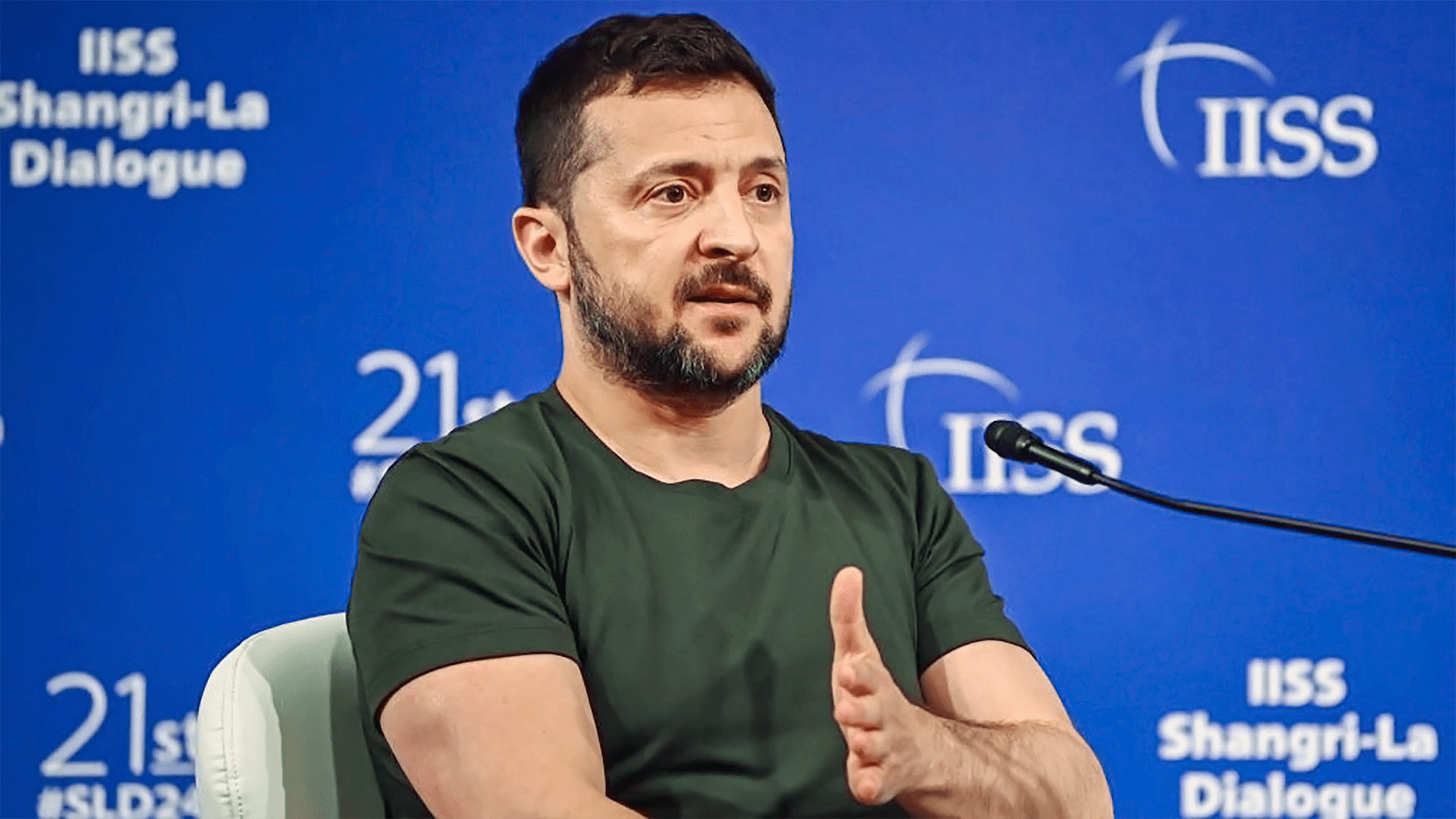
    Ukrainian President Volodymyr Zelensky said that China is working to strengthen its cooperation with Russia, especially in military production. This comes as their relationship deepens since Russia invaded Ukraine.

    On social media, Zelensky shared a report from the head of Ukraine’s foreign intelligence agency. The report highlights that Russia relies on Chinese investment, technology, and political support.

    Zelensky mentioned that intelligence partners have also seen the increased cooperation between China and Russia in the military sector. He has directed Ukraine’s foreign intelligence service to watch this cooperation closely, focusing on how it affects Ukraine and its Western allies.

    “Global security must not be put at risk, as Russia’s desire for aggression continues,” he said.

    The report highlights that parts of Russian territory are becoming less independent as they increasingly favor Beijing. This is happening mainly through the use of resource-rich land and the sale of valuable resources to China.

    Despite Western pressure, China has grown closer to Russia since Russia’s full-scale invasion of Ukraine in February 2022.

    China claims to be neutral in the conflict and has kept a low profile during global efforts to negotiate peace. However, many have urged China to use its influence over Moscow. Russia relies heavily on China to lessen the impact of Western sanctions.

    In September, leaders from China and Russia discussed their idea for a new international order at the Shanghai Cooperation Organization (SCO) summit. Last month, during a meeting with Russian Prime Minister Mikhail Mishustin, Chinese President Xi Jinping promised to increase investment and strengthen economic ties between their countries. He called this closer relationship a “shared strategic choice.”

    Xi mentioned several areas where they could work together, including aerospace, energy, agriculture, and the digital economy.

    Coalition of the Willing to Meet

    Ukrainian President Volodymyr Zelensky has warned that Ukrainian officials will soon share their latest proposals to end the war with U.S. negotiators. This comes as U.S. President Donald Trump pushes for a settlement.

    Zelensky will discuss these negotiations in a video call on Thursday with leaders from about 30 of Ukraine’s allies, part of the “Coalition of the Willing,” led by France and the United Kingdom. The French presidency confirmed that the call will happen.

    Ukraine’s European allies support President Zelensky’s goal of reaching a fair peace agreement that will stop future Russian attacks in Europe. They are concerned that Trump’s push for a quick deal could lead to an agreement that helps Russia.

    In response to Trump’s comments suggesting that Zelensky is using the war to avoid elections, Zelensky said Ukraine could hold a vote within three months if its partners guarantee safety during wartime and adjust the electoral law.

    “To hold elections, we must answer two main questions: First, how can we ensure security during the elections while facing attacks, and how will our military vote?” Zelensky explained.

    “The second question is the legal framework needed to make sure the elections are legitimate,” he noted, pointing out that elections cannot happen during martial law.

    Hospital Shelled in Russian-Controlled Kherson

    Fighting continues in the war as peace talks go on.

    In the southern Kherson region of Ukraine, controlled by Russia, Ukrainian shelling has killed three hospital workers and injured two others. Vladimir Saldo, the Russian-appointed governor, shared this information on Telegram. One of the injured workers is in intensive care.

    Separately, Russian drones attacked the gas transport system in Ukraine’s southern Odesa region, reported Deputy Energy Minister Mykola Kolisnyk. Heavy fighting is also happening in Pokrovsk, in the eastern Donbas region, where Ukraine’s military is defending against a Russian mechanized attack.
  • Trump Allowed the Sale of Powerful Nvidia H200 Chips to China

    Trump Allowed the Sale of Powerful Nvidia H200 Chips to China

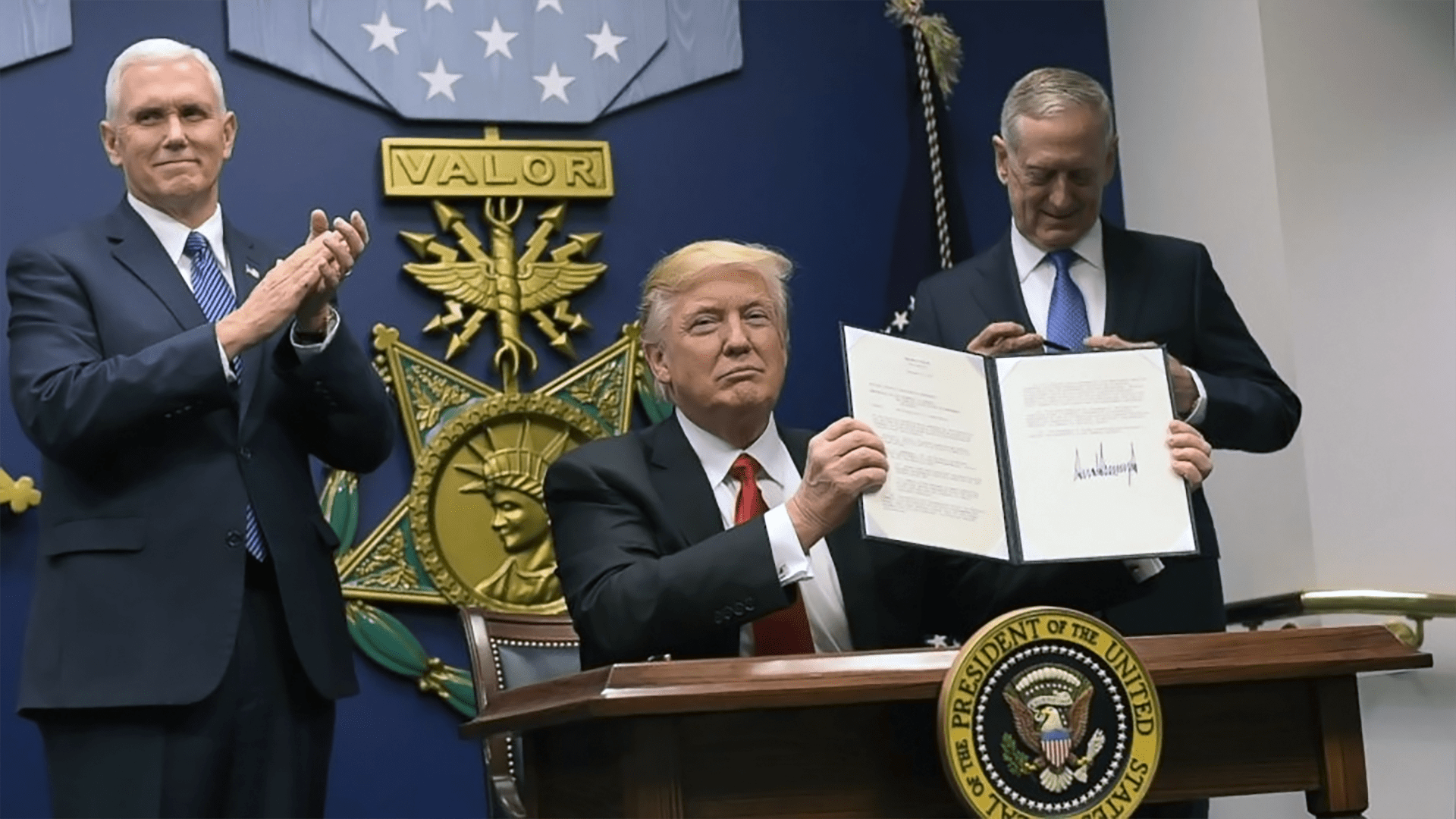
    US President Donald Trump has approved the sale of Nvidia’s H200 chip to China. This decision reduces the export controls that the U.S. has placed on Chinese technology.

    On Monday, Trump told Chinese President Xi Jinping about this decision. Under this plan, 25 percent of the sales revenue will go to the U.S. government. Trump said that sales would only be allowed to “approved customers” and would include measures to protect national security. He stated his administration would take the same approach with other chipmakers like AMD and Intel.

    “This policy will support American jobs, strengthen U.S. manufacturing, and benefit American taxpayers,” Trump posted on Truth Social.

    NVIDIA, based in Santa Clara, California, said the decision strikes a “thoughtful balance” and will help support high-paying jobs and manufacturing in America.

    NVIDIA shares increased by over 2 percent after hours due to recent news.

    Significant Policy Change from the Biden Administration

    US President Donald Trump announced a significant change from the Biden administration’s policy. Biden’s government had limited Nvidia and other chipmakers to selling downgraded versions of their products for the Chinese market.

    In a post on Truth Social, Trump criticized Biden’s approach. He said it made U.S. tech companies spend billions on downgraded products that “nobody wanted.”

    The H200, released in 2023, is Nvidia’s strongest chip outside of the latest Blackwell series. Trump confirmed that the Blackwell series will still be restricted for the Chinese market.

    Although the H200 is not the most advanced chip, it is almost six times more powerful than the previous H20 chip, according to the Institute for Progress, a non-partisan think tank based in Washington.

    In August, the Trump administration announced an agreement with Nvidia. Nvidia will pay the US government 15 percent of the money it makes from selling the H20, a product made to meet restrictions on the Chinese market.

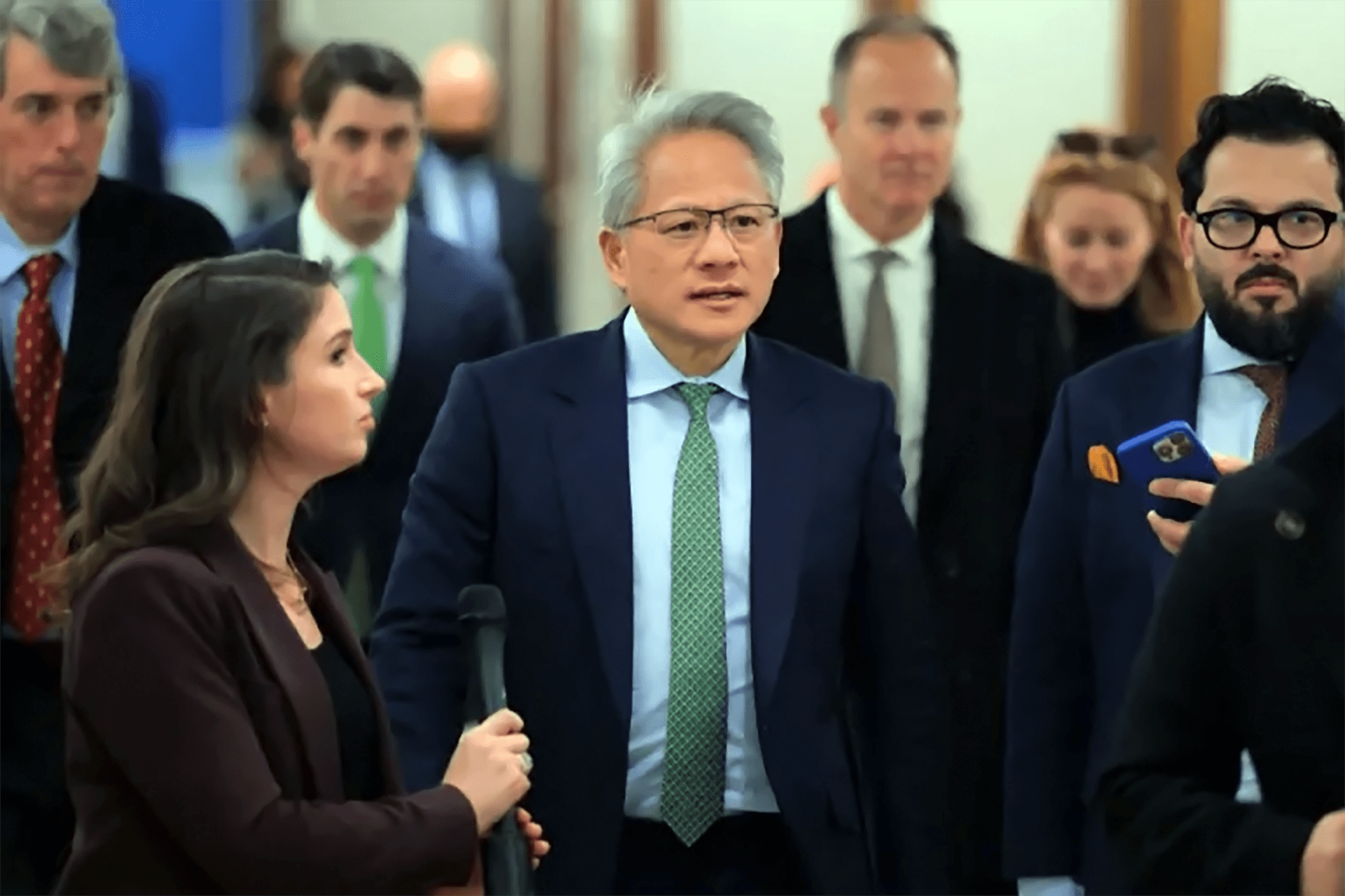
    Tilly Zhang, a Chinese tech expert at Gavekal Dragonomics, said Trump’s decision shows the realities of the market and strong pressure from Nvidia’s CEO, Jensen Huang.

    According to Zhang, the focus is now on competing for market share instead of just blocking China’s tech progress. She mentioned that since blocking China’s technology growth is getting harder, the US is now prioritizing increasing market share and revenue.

    Zhang said this change signals a shift in the competition between China and the US in artificial intelligence. She believes that chipmakers in both countries may innovate faster, which could lead to more dynamic markets.

    Democratic lawmakers quickly criticized Trump’s announcement.

    Trump Administration Harmed US Security – Elizabeth Warren

    US Senator Elizabeth Warren from Massachusetts accused the Trump administration of harming US security.

    “Trump is allowing Nvidia to export advanced AI chips that his own Department of Justice has said are being illegally smuggled into China,” Warren stated on X. She referred to several investigations by the DOJ into illegal chip shipments.

    “His own DOJ called these chips ‘building blocks of AI superiority.’”

    Chris McGuire, a senior fellow at the Council on Foreign Relations, said that Trump’s recent decision is a setback for the U.S. in its competition with China to lead in artificial intelligence (AI).

    He noted that easing export controls on AI chips will help Chinese AI companies catch up to advanced U.S. AI models. It will also allow Chinese cloud computing firms to set up competitive data centers around the world. McGuire, who worked on tech policy in Biden’s White House, shared these thoughts with Al Jazeera.

    He warned that this could undermine the administration’s efforts to keep the U.S. AI technology in a leading position globally.

  • Trump will Engage in Sudan Peace Efforts During Ongoing Civil War – Rubio

    Trump will Engage in Sudan Peace Efforts During Ongoing Civil War – Rubio

    United States Secretary of State Marco Rubio has stated that President Donald Trump is personally overseeing efforts to end the war in Sudan, which is now in its third year and has caused severe suffering for the civilian population. During a cabinet meeting at the White House on Wednesday, Rubio emphasized that Trump is “the only leader in the world capable of resolving the Sudan crisis.”

    Last month, Trump announced plans for the U.S. to collaborate with other members of the Quad, the United Arab Emirates, Saudi Arabia, and Egypt, along with additional regional partners, to put an end to the brutal 30-month conflict.

    At a conference in the U.S., Trump said that the Saudi prince asked him for help to stop the fighting in Sudan. He called Sudan a very dangerous place and said many people there need help. Trump also said that other world leaders want him to take action to end the violence.

    The civil war in Sudan began in April 2023, when the government-controlled Sudanese Armed Forces (SAF) clashed with the paramilitary Rapid Support Forces (RSF) over control of areas, including the capital, Khartoum.

    Peace negotiations have been complicated by recent advances made by the RSF. Earlier this week, the RSF claimed to have taken control of Babnusa, a key city in the central Sudanese region of West Kordofan, although the SAF disputed this claim.

    Babnusa is a crucial gateway to the western Darfur region, which the RSF fully controlled last month, as well as to the entirety of western Sudan. The RSF’s assault on Babnusa builds on its momentum following the capture of the city of el-Fasher, the army’s last stronghold in Darfur, after an 18-month siege. The RSF has faced accusations of committing widespread atrocities in el-Fasher.


    Recent War Efforts Violate Unilateral Ceasefire


    The latest fighting appears to violate a unilateral ceasefire announced by the RSF after mediation efforts by the Quad. The Sudanese Armed Forces (SAF) turned down the ceasefire terms suggested by the Quad, saying they favor the Rapid Support Forces (RSF) too much. The SAF also accused the RSF of continuing attacks even though they declared a truce. The SAF claims that the involvement of the United Arab Emirates in the Quad is unfair and that the proposal is meant to weaken the army.

    While the UAE has been widely accused of supporting the RSF with funding and weapons, it has consistently denied any involvement.

    United Nations High Commissioner for Human Rights Volker Turk expressed his concerns on Thursday about the possibility of new atrocities occurring amidst the intense fighting between the Sudanese Armed Forces (SAF) and the Rapid Support Forces (RSF).

    The UN Human Rights Council has already initiated one inquiry into reported atrocities, which include systematic mass murder, rape, torture, and the forced displacement of non-Arab ethnic groups since the RSF took control of el-Fasher.

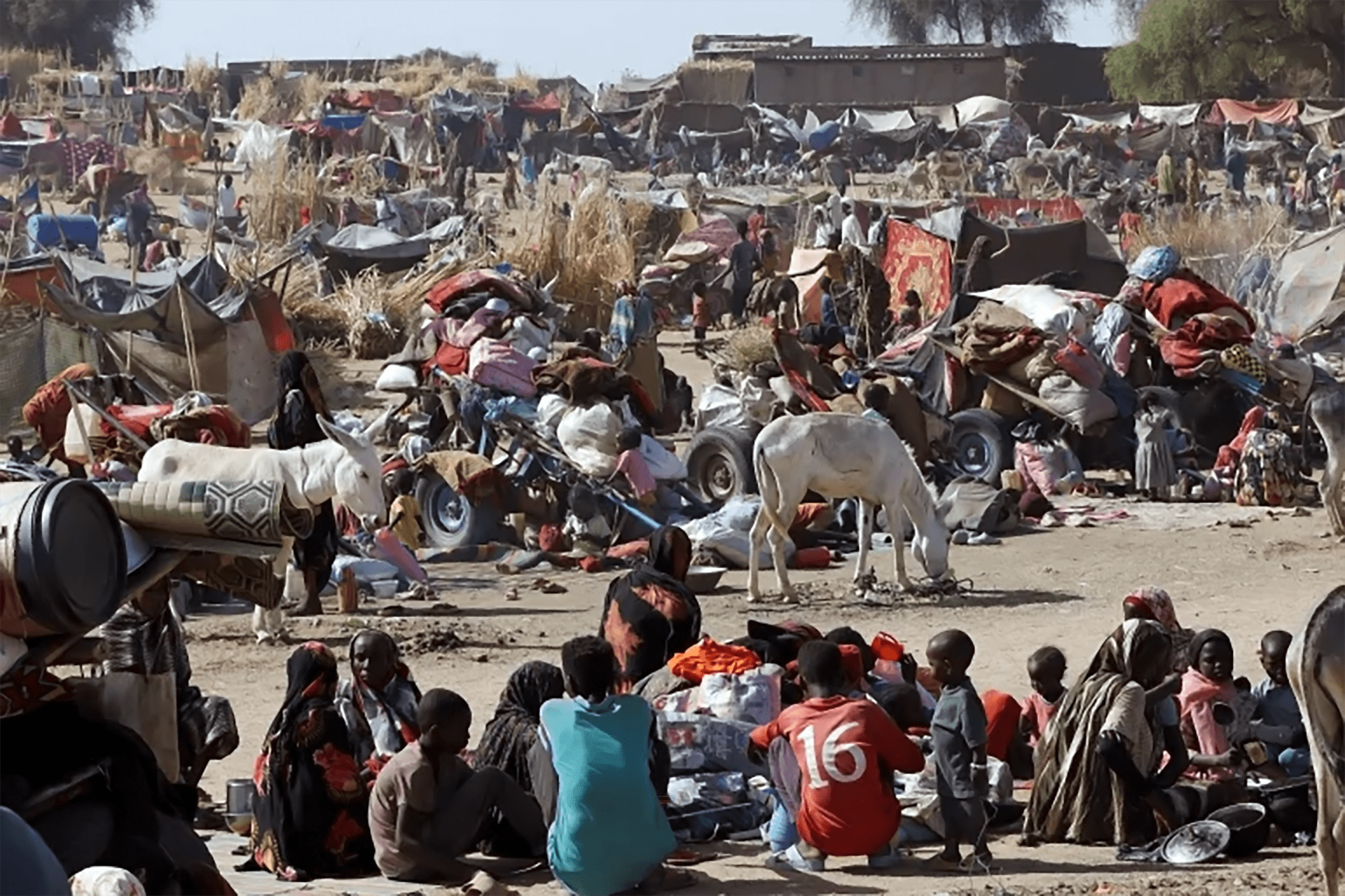
    According to UN estimates, the ongoing war in Sudan has resulted in over 40,000 deaths. The reported number of affected individuals is underestimated, with the actual figure likely much higher. The UN has called this the largest humanitarian crisis in the world, as millions have been displaced and some regions are facing famine.

  • Amnesty Urges Probe into RSF War Crimes at Sudan Refugee Camp

    Amnesty Urges Probe into RSF War Crimes at Sudan Refugee Camp

    Amnesty International has called for an investigation into war crimes following an assault by the paramilitary Rapid Support Forces (RSF) on a displaced persons camp in North Darfur, Sudan, earlier this year. The report describes serious crimes committed by the Rapid Support Forces (RSF) during a large attack on the Zamzam camp. The RSF has been accused of carrying out indiscriminate killings and mass rape in its ongoing conflict with the Sudanese military government, which started in April 2023.

    The attack on the camp, which is struggling with hunger, happened while the RSF was laying siege to El Fasher, the capital of North Darfur. The RSF now controls the state and is moving into West Kordofan, causing millions of people to be displaced.

    The attacks on the Zamzam camp – the largest facility for internally displaced persons in North Darfur – took place between April 11 and April 13. According to the report, RSF fighters deployed explosives in populated areas and randomly fired upon residential neighborhoods.

    The document provides numerous accounts of deadly attacks on civilians, with witnesses describing how RSF fighters fatally shot at least 47 people who were hiding in their homes, fleeing the violence, or seeking shelter in a mosque.

    “The RSF’s horrific and deliberate assault on desperate, hungry civilians in Zamzam camp once again highlights its alarming disregard for human life,” said Agnes Callamard, secretary-general of Amnesty International.

    “Civilians were ruthlessly attacked and killed, robbed of essential items for their survival and livelihood, and left without any means of seeking justice.”

    The assault, which included RSF fighters intentionally setting fire to homes and other buildings, as well as committing acts that may constitute rape and pillage, resulted in approximately 400,000 people fleeing the camp within just two days, according to the report.

    RSF Fighter Shouting and Shooting Anywhere

    The recent report accuses the Rapid Support Forces of serious violations during Sudan’s 30-month conflict. The report is based on interviews with 29 people, including witnesses, survivors, and family members of victims.

    The Sudanese Armed Forces (SAF), which is part of the military government, has also been accused of numerous war crimes.

    Survivors of the Zamzam attack described how RSF fighters shot at people without care and set fires, forcing residents to escape. One man said that the RSF fighters were shouting and shooting in all directions, which is how many people were killed. Another person said that you could not tell where the shelling was coming from, but it was everywhere.

    A woman, who serves as a volunteer for a nongovernmental organization, described an RSF fighter randomly firing from his vehicle while driving near the camp’s main market. According to Amnesty International, shooting without a specific military target may constitute indiscriminate attacks, which are serious violations of international humanitarian law.

    Another eyewitness shared a harrowing account of how 15 armed men stormed his compound and fatally shot his 80-year-old brother and 30-year-old nephew. “No one is concerned about our situation,” he moaned.

    No End in Sight

    Amnesty International has once again criticized the United Arab Emirates (UAE) in its report for allegedly supporting the Rapid Support Forces (RSF), a claim that has been widely made.

    The UAE has firmly denied providing arms or financial support to the RSF.

    The Sudanese Armed Forces (SAF) and the RSF have been engaged in a brutal conflict since April 2023, resulting in the deaths of tens of thousands of people and displacing nearly 12 million.

    Efforts to negotiate a truce have made little progress. Last month, the RSF declared a unilateral ceasefire following a peace plan proposed by the “Quad,” a group of mediators that includes Egypt, Saudi Arabia, the UAE, and the United States.

  • The Trump Government Will Reinterview Refugees Admitted under Biden

    The Trump Government Will Reinterview Refugees Admitted under Biden

    The Trump administration is reinterviewing some refugees who entered the U.S. during Joe Biden’s presidency as part of a case review, according to an internal memo and a knowledgeable source.

    This action is unusual for Trump’s efforts to limit immigration, as it targets some of the world’s most vulnerable people. Refugees must show that they have experienced persecution or fear persecution in their home countries. They also undergo a strict vetting process that can take years before they can enter the U.S.

    Trump officials have questioned the refugee admissions program, which has usually had support from both parties. They argue that the previous administration did not adequately vet the refugees. Trump has mostly stopped refugee admissions, making a narrow exception for White South Africans.

    The review and reinterview process will likely be handled by U.S. Citizenship and Immigration Services. The memo, dated November 21, says this is necessary to make sure refugees do not pose a threat to national security or public safety. Between fiscal years 2021 and 2025, about 235,000 refugees entered the U.S. after going through the admissions process.

    The State Department directed CNN to the Department of Homeland Security (DHS) for comments. DHS spokesperson Tricia McLaughlin said the Biden administration’s “reckless approach has weakened our immigration system and put the safety of Americans at risk. We are now taking steps to ensure that those in the U.S. truly belong here.”

    U.S. Refugees Go Through Most Rigorous Checks

    For many years, the U.S. has admitted more refugees than any other country, taking in millions since the Refugee Act of 1980. This program faced cuts when Donald Trump was president. He reduced the number of refugees allowed to enter the U.S. The coronavirus pandemic also stopped resettlements for a time. President Biden is working to restore the program and aims to accept 125,000 refugees each year.

    Trump administration moves to reinterview refugees admitted to US under Biden

    Mark Hetfield, president of the refugee resettlement group HIAS, said, “Threatening refugees with losing their status is cruel. It would re-traumatize them and misuse taxpayer money.”

    Jeremy Konyndyk, the president of Refugees International, said that refugees in the U.S. go through the most rigorous checks of any group of migrants. He explained that they have detailed evaluations of their status, background checks, and security screenings. “The Trump administration knows this,” he said.

    Konyndyk criticized Trump for trying to resettle White South Africans, who do not qualify as refugees. He said, “It’s hard to see this as anything but an excuse to take away protections from those who truly need them.”

    The planned interviews will check if refugees still meet the admission criteria once in the country. A recent memo says the agency can stop refugee status without allowing an appeal. The memo also puts a hold on pending applications for refugees looking to change their status until the director of USCIS decides otherwise.

    Refugees must apply for permanent status one year after arriving in the U.S. At the UN General Assembly in September, Deputy Secretary of State Chris Landau said the current asylum system is outdated and has been misused. This, he argued, has made “mass illegal migration legal.”

  • US Urged Sudan’s Warring Parties to Accept the Ceasefire Plan

    US Urged Sudan’s Warring Parties to Accept the Ceasefire Plan

    The United States envoy has urged the warring parties in Sudan to accept his truce proposal without imposing any preconditions.

    Massad Boulos, an adviser to President Donald Trump on African and Arab affairs, stated during a news conference in Abu Dhabi on Tuesday that he had presented a “comprehensive” ceasefire plan to the warring generals in Sudan, but neither side accepted it. He emphasized, “We would like them to accept the specific text that was presented to them” in its original form, referring to the commanders of the Sudanese Armed Forces and the Rapid Support Forces (RSF).

    These comments followed an announcement from RSF leader Mohamed Hamdan Dagalo, also known as Hemedti, declaring that his paramilitary group would adhere to a unilateral “humanitarian truce” for three months.

    Abdel Fattah al-Burhan, the commander of the Sudanese army, criticized the text proposed by the White House envoy, calling it “the worst” proposal since the vicious civil war began in April 2023.

    The leader of the military government said that a plan from “the Quad,” which includes Egypt, Saudi Arabia, and the United Arab Emirates, would weaken the army and keep the Rapid Support Forces (RSF) in place.

    Al-Burhan’s rejection of the plan shows his belief that the UAE supports the RSF with military and financial help, a claim the UAE denies. In March, the UAE criticized Sudan’s attempt to file a case against it in the International Court of Justice, calling the allegations a “cynical publicity stunt.”

    Anwar Gargash, the diplomatic adviser to the UAE’s president, who was with Boulos on Tuesday, stated that the UAE supports efforts to end the war and condemns the “atrocities” committed by both the army and the RSF.

    First Violation of Ceasefire

    UN urges humanitarian corridor to help civilians stuck in Sudan’s el-Fasher

    International organizations, satellite images, and eyewitness accounts have reported mass killings and rapes happening around el-Fasher for months. Amnesty International recently warned in a report that RSF (Rapid Support Forces) fighters are committing war crimes in el-Fasher.

    Amy Pope, head of the International Organization for Migration (IOM), told Al Jazeera that the main concern is getting access to people who have been cut off from humanitarian aid and services in el-Fasher. She said, “When humanitarian workers are in danger, when they are killed, shot, or detained, we cannot provide what people need to survive.”

    Pope stressed that the most urgent issue is ensuring a ceasefire and creating a humanitarian corridor so that aid groups can bring help to civilians caught in the conflict.

    Agnes Callamard, the secretary-general of the NGO, criticized the UAE for allegedly supporting the paramilitary forces. She said, “These atrocities are made possible by the United Arab Emirates’ support for the RSF. The UAE’s ongoing backing of the RSF fuels the cycle of violence against civilians in Sudan.”

    Later, the Sudan Doctors Network NGO reported that the RSF and South Sudan’s SPLM attacked the al-Zallataya Mine in South Kordofan and kidnapped more than 150 men and children. The organization called this act a “heinous crime” and pointed out that it is the first clear break of the RSF’s supposed humanitarian truce. They said that the militias took young men and children to recruit them as future fighters, which is a war crime and goes against international humanitarian law.

  • Trump Designated Nicolás Maduro as a Member of a Foreign Terrorist Organization

    Trump Designated Nicolás Maduro as a Member of a Foreign Terrorist Organization

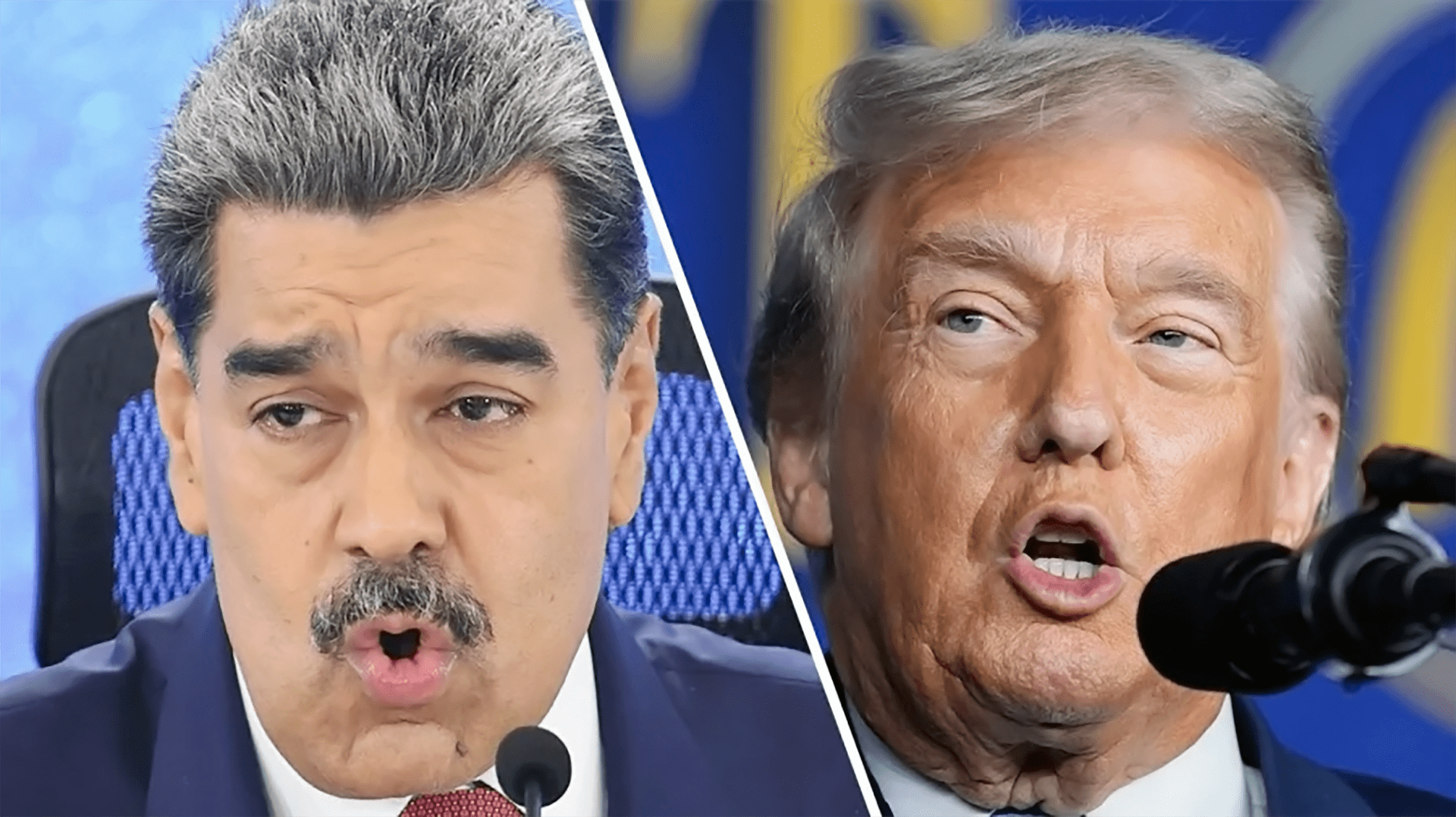
    The Trump administration is set to expand its ability to take action against Venezuela starting Monday, as the U.S. labels Venezuelan President Nicolás Maduro and his government allies as members of a foreign terrorist organization.

    This designation of “Cartel de los Soles,” a term experts believe describes corrupt government officials rather than an organized crime group, will allow President Donald Trump to impose new sanctions on Maduro’s assets and infrastructure. However, it does not clearly give permission to use lethal force, according to legal experts.

    Despite this, administration officials say the designation will give the U.S. more military options for actions within Venezuela.

    “Cartel de los Soles” refers to a loose network of Venezuelan military groups involved in drug trafficking. President Maduro denies any involvement in drug trafficking, and his government disputes the existence of the alleged cartel, which some experts claim does not exist in a conventional way.

    This designation was announced on November 16 and comes as the U.S. military has brought together more than a dozen warships and 15,000 troops in the region under what the Pentagon calls “Operation Southern Spear.” The U.S. military has carried out boat strikes against drug traffickers, resulting in the deaths of many people.

    Trump has received updates from top officials about different ways to act in Venezuela. Options include military strikes on key government or military targets and special operations raids, but doing nothing is also an option.

    On Monday, General Dan Caine, the chairman of the Joint Chiefs of Staff, and his senior adviser, David Isom, will visit Puerto Rico. They want to thank service members for their support of missions in the Caribbean Sea.

    Trump Administration to Cut Illegal Migration

    Many people in the U.S. are against military involvement in Venezuela. A CBS News/YouGov poll released on Sunday shows that 70% of Americans oppose military action, while 30% support it. Additionally, 76% of those surveyed feel that the Trump administration has not clearly explained its position on military actions.

    Trump Designated Nicolás Maduro as a Member of a Foreign Terrorist Organization

    The Trump administration says it is working to reduce illegal migration and drug trafficking, but achieving regime change in Venezuela may be a side effect. A U.S. official stated that Trump hopes pressure will make Maduro step down without any direct military action.

    In response, the Venezuelan government rejected the classification of the cartel as a foreign terrorist organization, calling it a “ridiculous fabrication.”

    They added, “This new move will end up like all previous aggressions against our country: it will fail.”

    Trump has indicated that he might be open to talking with Maduro. Last week, he mentioned that Maduro “would like to talk” and later said he could speak with him “at a certain time.”

    Tensions are rising, and on Thursday, the U.S. showed a strong military presence near Venezuela. During several hours, at least six U.S. aircraft were seen off the coast, including a supersonic F/A-18E fighter jet, a B-52 bomber, and reconnaissance planes, according to flight data reviewed by CNN.

    Over the weekend, three international airlines canceled flights from Venezuela after the U.S. Federal Aviation Administration warned airlines about a “potentially hazardous situation” when flying over the country, according to Reuters.

  • Trump Plans to Reveal a New Plan to Lower Health Care Costs

    Trump Plans to Reveal a New Plan to Lower Health Care Costs

    President Donald Trump plans to announce a new proposal to lower health care costs as soon as Monday. This proposal aims to prevent a large increase in insurance premiums due to the end of important Affordable Care Act (ACA) subsidies, according to three sources.

    The plan promises a better option for nearly 22 million people who depend on these enhanced ACA subsidies. This comes after Democrats refused to reopen the government for over a month because they wanted a straightforward extension of those payments.

    Senate Republicans have agreed to vote in mid-December to extend the enhanced subsidies, which are set to expire at the end of the year. In return, they will extend government funding through January. This agreement has pushed Trump and his team to create their own competing plan. The enhanced assistance was originally included in the Biden administration’s COVID-19 relief package in 2021 and has resulted in a record 24 million people signing up for coverage this year.


    How Many People Could be Uninsured in 2026?


    If the subsidies end, premiums are expected to more than double next year, according to KFF, a health policy research group. Additionally, the Congressional Budget Office estimates that about 2 million more people could be uninsured next year.

    Democrats plan to use these potential issues against the GOP in the upcoming midterm elections. They hope this strategy will be as effective as it was in 2018, when Republicans lost control of the House partly due to their attempts to repeal the Affordable Care Act.

    The administration’s proposal is not final, and its timing and details could change. A White House official stated, “Until President Trump makes an announcement himself, any reporting about the administration’s health care positions is mere speculation.”

    The deadline to sign up for health coverage is approaching. Americans must enroll by December 15 for their plans to start on January 1. Open enrollment ends on January 15. Advocates for the Affordable Care Act (ACA) warn that many people may be put off by high costs when considering plans for 2026.


    Power to the People


    Trump expected to unveil new health care cost proposal


    The current administration is considering a plan to extend enhanced subsidies, a major shift from Trump’s recent remarks opposing federal funding for insurance companies. Trump stated on Truth Social, “The only healthcare I will support is sending the money directly to the people, not to the wealthy insurance companies that have made trillions and ripped off America. The people will be allowed to negotiate and buy their own, better insurance. Power to the People.”

    The new plan aims to temporarily keep the ACA subsidies while also establishing rules to limit them. This may include new income limits and requiring everyone enrolled to pay part of their premiums.

    These changes would address key concerns from Republicans about enhanced subsidies, including fraud linked to “zero premium” plans, and the need to restore an income cap on premium subsidies, which was previously set at 400% of the federal poverty level before 2021. Removing that cap made Obamacare plans more affordable for the middle class, who could face difficulties if these enhanced subsidies end this year.


    Americans Got Coverage


    The proposal also requires that everyone with a lower income pay at least a small monthly premium. This change aims to reduce fraudulent practices where some lower-income Americans got coverage without any cost. Brokers and agents had been enrolling people in Obamacare plans or switching them without their knowledge. Requiring a minimum premium would help limit these actions.

    The proposal may also let some enrollees who pick lower-tier insurance plans use a portion of their federal aid for a health savings account.

    In response to Trump’s idea to send money to individuals, GOP Senators Rick Scott of Florida and Bill Cassidy of Louisiana have put forward proposals to allow consumers to use some of their federal subsidies for health savings accounts. Scott’s plan would let enrollees use all their aid to buy coverage, which might include less comprehensive and cheaper plans outside the ACA. This could hurt the effectiveness of Obamacare.

  • House GOP Campaign Chair Urges Trump to Campaign for Midterm Majority

    House GOP Campaign Chair Urges Trump to Campaign for Midterm Majority

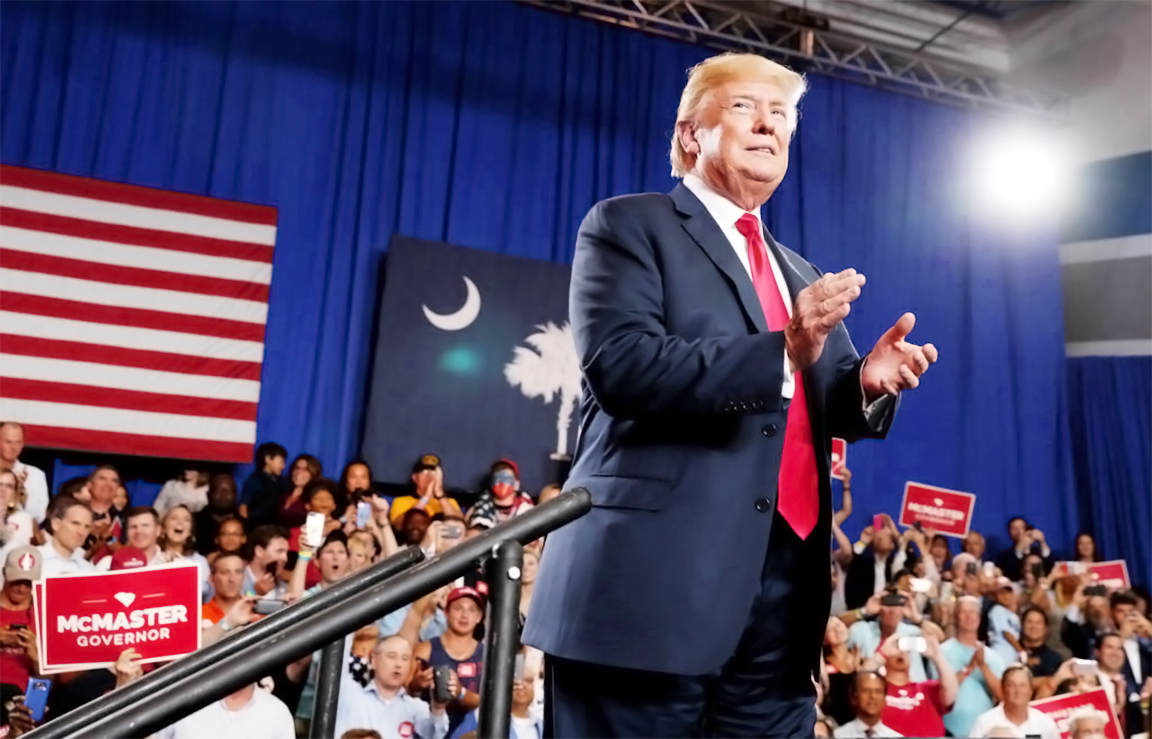
    The chair of the House Republican campaign group says the recent wins by Democrats in the 2025 elections are a “wake-up call” for Republican voters. Rep. Richard Hudson from North Carolina, who leads the National Republican Congressional Committee for the second time, told Fox News Digital that he wants President Donald Trump to be active in campaigning for next year’s midterm elections. The party is working to keep its slim majority in the House.

    This year, Democrats won the two gubernatorial races in New Jersey and Virginia, both by large margins. They also had significant wins in important ballot measures in Georgia and Pennsylvania, as well as in Democratic areas like New York City and California.

    Many Republicans have dismissed these victories, saying they happened mainly in blue states. Hudson acknowledged that these elections took place in “Democratic states.” However, he pointed out that “the big takeaway for Republicans is that the Democrats were energized. They showed up to vote in record numbers, while Republicans turned out at normal levels.”

    He added, “This is a wake-up call for conservatives and Republicans who are satisfied with how things are going. They support President Trump being back in the White House. But if they want to keep this momentum, they need to show up and vote.”

    Many of Trump’s MAGA supporters usually only vote when he is on the ballot. However, he will not be on the ballot for the 2026 midterm elections.

    House GOPs Support Trump’s Agenda

    Rep. Hudson said, “House Republicans closely support President Trump and his agenda. We want him campaigning with our candidates because he brings a lot of energy.”

    He pointed out that many people do not vote when Trump is not running. Hudson stated, “I don’t need all of them to show up, but I need some of them. Having President Trump out there will really help us.”

    Requests for Trump to campaign are already coming in. Matt Van Epps, the Republican candidate in next month’s special congressional election for a vacant Republican House seat in Tennessee, has asked Trump to join him in person before the December 2 election.

    Democrats, on the other hand, are focusing on affordability for the 2025 campaign. Democratic National Committee Chair Ken Martin said his party’s candidates are talking to voters about everyday concerns. He mentioned that Democrats are running campaigns about costs and affordability from New Jersey and Virginia to New York and Georgia. Martin emphasized that the 2025 elections will give a preview of next year’s midterms.

    Republicans to Launch National Coordinated Campaign

    In 2026, we will launch a National Coordinated Campaign to win elections at all levels. Our goal is to provide a check on the Trump administration and its Republican allies. This is what Hudson stated.

    House GOP Campaign Chair Urges Trump to Campaign for Midterm Majority.docx

    Hudson pointed to President Joe Biden, saying, “The economy has challenges because Biden broke it. House Republicans and President Trump are working hard to fix it.”

    He added, “We can always improve how we talk to voters about this. But we are focused on the issues that matter to them, like the cost of living, safety in their neighborhoods, and border security. We are committed to these issues and have provided many solutions to improve their lives.”

    As tax season approaches, he said, “Many families will be happy to see they have more take-home pay, thanks to Donald Trump and House Republicans.”

    Hudson, alongside other Republicans, wanted to link Mayor-elect Zohran Mamdani, a socialist with a far-left platform, to House Democrats, many of whom may face tough re-election campaigns next year.

    “The entire Democratic Party has moved to the left. This is now Mamdani’s party,” Hudson said. “Every House Democrat needs to explain their stance on his policies. They should tell their constituents if they support Mamdani or not.”

    The party currently in power, the Republicans, often faces challenges in midterm elections. Hudson made these comments as two new national polls showed that Democrats have an advantage in the 2026 race for the House majority.

    However, Hudson said, “The only number I care about is three. We have three Republicans in seats that Kamala Harris won.”

    He pointed out that Democrats hold “thirteen seats in districts that Donald Trump won and twenty-one more in districts that Trump barely lost. This means only a few competitive seats are available this time, with most belonging to Democrats.”

  • What Will Senior Citizens Pay for Medicare in 2026?

    What Will Senior Citizens Pay for Medicare in 2026?

    Senior citizens in America will see their health insurance premiums rise significantly in 2026. Medicare Part B premiums will rise nearly 10% next year. This is the largest increase in four years and the second-largest increase in dollar amounts in the program’s history. The standard monthly premium will be $202.90, up by $17.90 from this year, according to the Centers for Medicare and Medicaid Services. This increase will take nearly one-third of the $56 monthly Social Security cost-of-living adjustment that retirees will receive in 2026.

    The big jump in Medicare Part B premiums happens when health insurance premiums are also rising for people with job-based coverage and Affordable Care Act plans. This trend makes it harder for Americans who are already struggling with high prices for food, utilities, and other everyday needs.

    Jeanne Lambrew, director of healthcare reform at The Century Foundation, said, “In a world where people worry about the cost of healthcare and basic needs, it’s distressing that this increase is so large.” Higher costs for medical services and drugs, as well as more people using these services, are common reasons for rising healthcare premiums.

    Medicare is also facing challenges from the growing number of baby boomers becoming eligible for enrollment. Additionally, more surgeries and medical services are now being done at outpatient facilities instead of hospitals, where Medicare Part A covers the care, said Rachel Schmidt, a research professor at Georgetown University’s Medicare Policy Initiative.

    Monthly Premiums Might Gain $11 Increase

    The Centers for Medicare & Medicaid Services (CMS) indicated that monthly premiums would have increased by an additional $11 if they had not approved a change in the payment structure for skin substitutes. This change is expected to reduce spending on these wound care products by nearly 90%. Last year, Medicare spent over $10 billion on skin substitutes, a significant rise from just $256 million in 2019.

    In addition, Medicare Part D prescription drug policies offered by insurers will see fewer changes in 2026 than this year. Last fall, the Biden administration quickly started a multibillion-dollar subsidy program for insurers. This step aims to prevent big premium increases linked to the Inflation Reduction Act. This law, passed by Congress in 2022, requires insurers to pay more for drug costs once enrollees exceed the $2,000 catastrophic coverage limit.

    Senior citizens will pay a lot more for Medicare in 2026

    According to consulting firm Oliver Wyman, the number of plans available for 2026 will slightly decrease, with the firm noting that Elevance is withdrawing from the market. Many insurers are planning to raise their premiums by as much as $50 for the upcoming year, while some are reducing or maintaining their current rates.

    “If seniors in the standalone PDP market are willing to shop around, there is still stability,” said Brooks Conway, a principal at Oliver Wyman.

    Currently, approximately 69 million Americans are enrolled in Medicare, which also includes coverage for individuals with disabilities. The annual open enrollment period for Medicare ends on December 7.

    The Medicare Advantage Market is Experiencing a Contraction

    Medicare Advantage currently serves just over half of all Medicare beneficiaries. It is undergoing significant changes for the second year in a row. These changes are due to medical costs rising faster than the payments from the federal government that insurers receive to cover Medicare enrollees.

    As a result, many enrollees will need to search for new coverage for 2026, as the total number of available plans is expected to decrease by 10%, dropping to 3,373 plans, according to a report by Oliver Wyman. Major insurers, including CVS Aetna, Elevance, Humana, and UnitedHealthcare, are cutting their plan offerings in at least 100 counties. This reduction is anticipated to affect just over 2 million individuals.

    It is important to note that these figures do not include special needs plans, which cater to enrollees with chronic conditions or those who are dually eligible for Medicaid. These special needs plans are projected to have more offerings for 2026 compared to this year.

    In certain counties, there will be fewer policies available with $0 premiums and a reduced number of PPO plans, which typically feature broader provider networks. According to Greg Berger, a partner at Oliver Wyman, insurers are mainly looking to withdraw from or scale back their less profitable products and geographic areas.

    “A lot of MAPD plans are trying not to grow,” Berger noted, referencing Medicare Advantage plans that include prescription drug coverage.

    Some Plans Will Offer $0 Deductibles for Prescription Drugs

    For the first time, some Americans will have no Medicare Advantage plans available to them. Blue Shield of Vermont, Blue Cross, and UnitedHealthcare have chosen to discontinue their coverage in Vermont, leaving traditional Medicare as the only option for residents in eight counties.

    Despite these reductions, most Medicare beneficiaries will still have a variety of options in 2026, with an average of 39 plans available, down from 42 plans this year.

    “Millions of Medicare beneficiaries will continue to have access to a huge range of affordable coverage options in 2026,” stated Dr. Mehmet Oz, the administrator of the Centers for Medicare & Medicaid Services (CMS).

    However, fewer plans will offer $0 deductibles for prescription drugs, and the maximum out-of-pocket limits for medical care will increase by $490, or about 10%, on average. For Medicare Advantage plans that include drug coverage and have a monthly premium, the average premium will rise to $66 next year, up from $60 this year.

    Additionally, the supplemental benefits provided by Medicare Advantage plans, such as funds for over-the-counter medications, dental care, and vision services, are becoming less generous. For example, the average dental allowance is decreasing by 10% to $2,107, according to Berger.