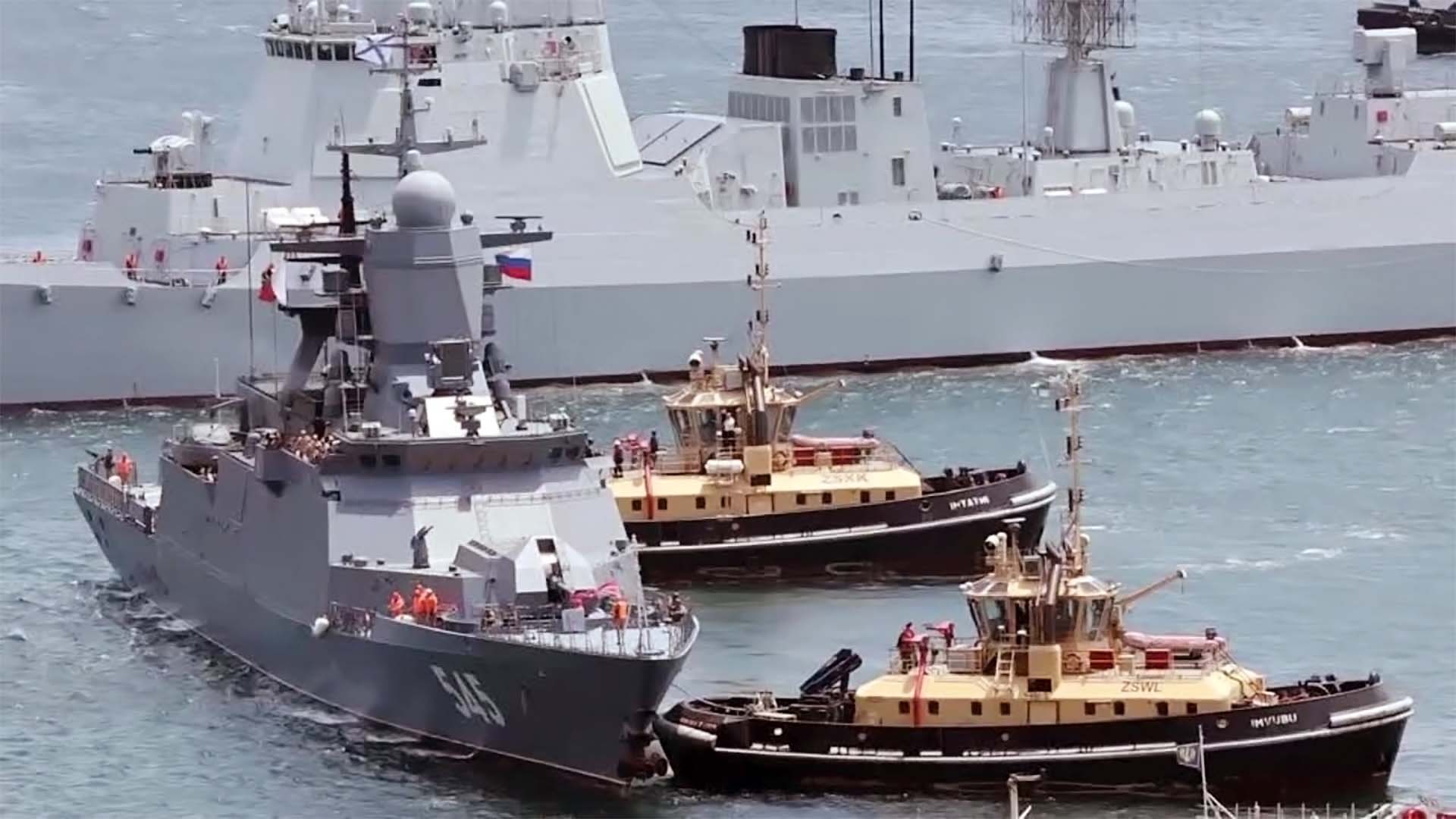
Chinese, Russian, and Iranian warships are in South African waters this week for naval drills. These exercises happen as tensions rise due to the United States’ military actions in Venezuela and its seizure of oil tankers.
China’s defense ministry announced that the drills will begin with an opening ceremony on Saturday. The main aim is to protect important shipping routes and economic activities. The exercises will include attacks on maritime targets and rescue operations against terrorism.
Ships from these three countries have been seen coming in and out of the harbor at South Africa’s main naval base in Simon’s Town, near Cape Town, where the Indian Ocean meets the Atlantic Ocean.
It is unclear if Brazil, India, or the United Arab Emirates, or other BRICS countries, will join the drills. A spokesperson for the South African armed forces has not confirmed the full list of participants, but the exercises will run until next Friday.
South Africa’s defense forces say these drills will help navies share best practices and improve cooperation. This will contribute to safer shipping routes and regional stability.
These exercises follow a US military attack on Caracas, the capital of Venezuela, during which President Nicolás Maduro was reportedly abducted.
US Forces Seizing Venezuela Oil Tankers
The Trump administration has been taking oil tankers connected to Venezuela from international waters. This includes a Russian-flagged ship in the North Atlantic that the US says broke its sanctions.
Russia has reacted strongly, calling this seizure a violation of international maritime law.
In an interview with The New York Times, Trump said he does not care about international law. He claimed that only his “own morality” guides his administration’s strong actions.
The US has also warned that it might take action against Iran because of the government’s response to recent protests.
Joint naval drills among BRICS countries could create more tension between the US and South Africa, which has faced criticism from the Trump administration.
These drills were supposed to happen last November but were delayed because they conflicted with the G20 summit in Johannesburg.
Let Not Press Panic Buttons
South Africa’s Deputy Defence Minister, Bantu Holomisa, said the event was planned before the current tensions.
He asked the public not to worry just because the United States has issues with certain countries. “Those countries are not our enemies,” Holomisa said.
Some people in South Africa criticized the decision to host Russian and Iranian warships. The Democratic Alliance, the second-largest party in the coalition government, opposes this decision.
They called the military drills “BRICS cooperation” and argued that it is a way for the government to hide the fact that it is building military ties with nations like Russia and Iran, which are facing sanctions.
Ukrainian President Volodymyr Zelensky has appointed Kyrylo Budanov, the military intelligence chief, as his new chief of staff. This decision comes as Ukraine and the United States work on a 20-point plan aimed at ending Russia’s war.
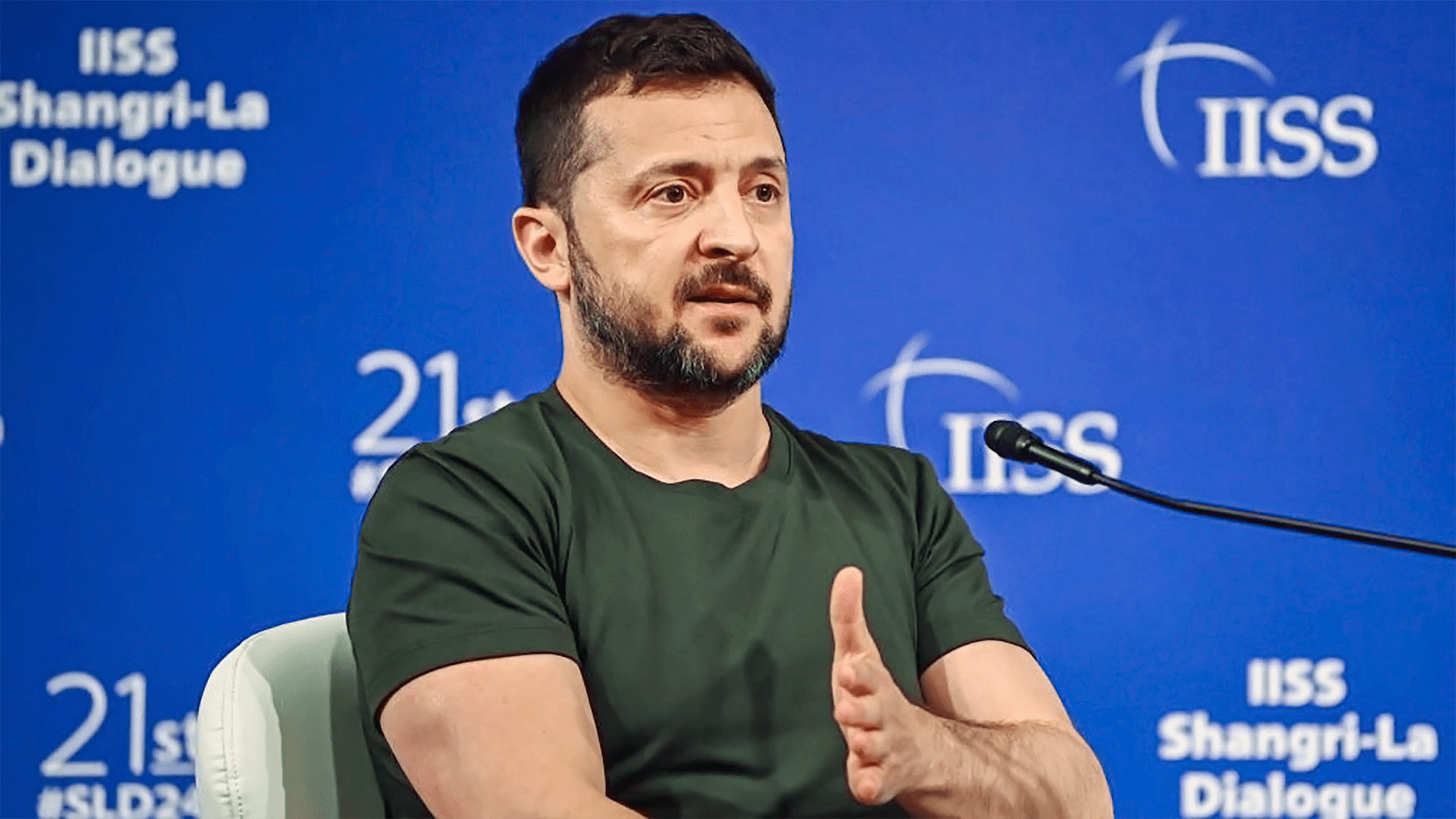
“Ukraine needs to prioritize security issues, the development of the Defense and Security Forces, as well as the diplomatic aspects of negotiations. The Office of the President will primarily focus on fulfilling these tasks for our country,” Zelensky stated on X on Friday.
“Kyrylo has the specialized experience and the strength needed to achieve these results,” he added.
This appointment of Budanov, who heads the Main Directorate of Intelligence (GUR) in the Ministry of Defense, comes at a critical time in the nearly four-year conflict with Russia. Zelensky announced on Wednesday that the U.S.-brokered deal to end the war is “90 percent” ready.
Budanov has been recognized for executing a series of bold operations against Russia since the start of its all-out assault on Ukraine in 2022. At 39 years old, he has led the GUR since his appointment by Zelensky in August 2020.
A seasoned military intelligence officer, Budanov climbed the ranks within the defense establishment following Russia’s illegal annexation of Crimea in 2014.
Since the beginning of the Russia-Ukraine war, Budanov has become a key figure in Ukraine’s intelligence efforts. He often gives interviews and briefings that aim to send strategic messages and apply psychological pressure on Moscow.
Budanov has consistently warned about Russia’s long-term goals for Ukraine and the region. He describes the conflict as a vital struggle for Ukraine’s independence and statehood.
Russian Forces Attack Kharkiv
On Friday, a Russian strike on residential buildings in the northeastern Ukrainian city of Kharkiv wounded 19 people, including a six-month-old baby, according to Kharkiv regional governor Oleh Syniehubov in a post on Telegram.
This attack followed a day after Russia accused Kyiv of launching a strike on a hotel and a cafe in the occupied southern regions of Ukraine, which resulted in 27 fatalities. Russia warned of “consequences.” Ukraine claimed that the attack targeted a military gathering that was closed to civilians.
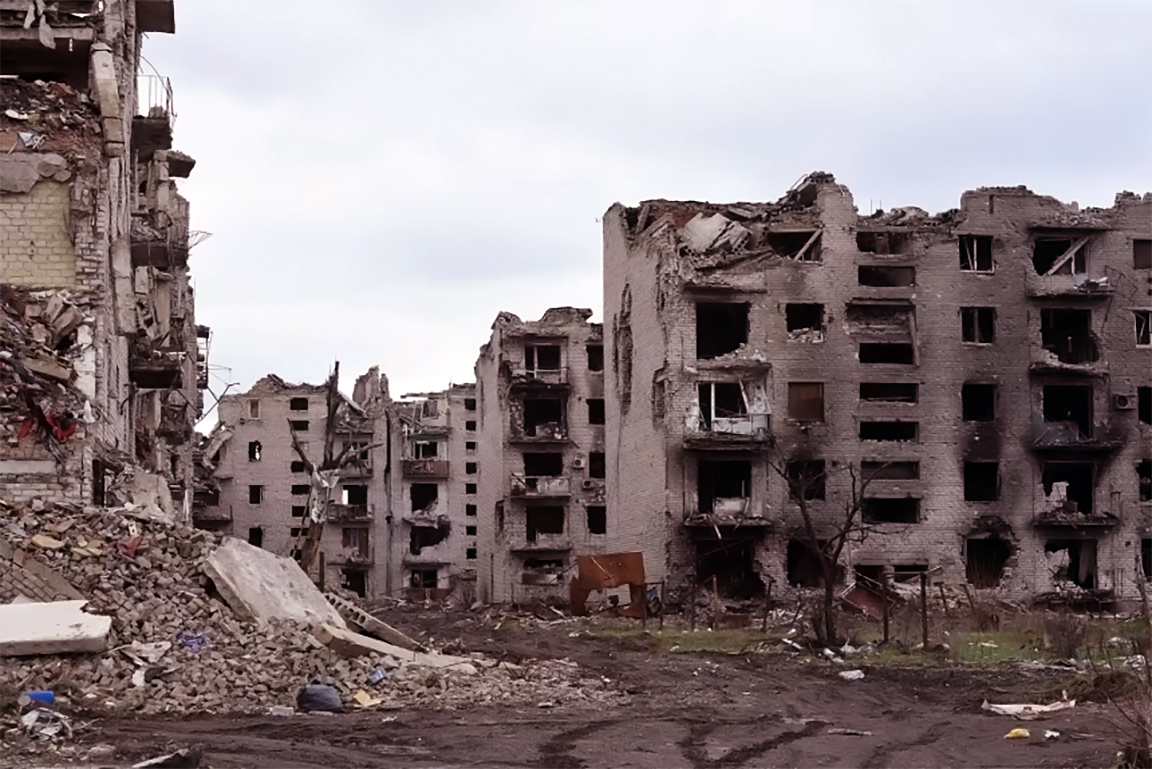
Images captured by the AFP news agency from the site of the Russian strike in Kharkiv depicted damaged multistory buildings, piles of smoldering rubble, and firefighters working to extinguish the blaze.
President Volodymyr Zelensky described the attack as “heinous” and stated on social media that “preliminary reports indicate two missiles struck an ordinary residential area.”
“Unfortunately, this is how the Russians treat life and people—they continue killing, despite all efforts by the world, and especially by the United States, in the diplomatic process,” he added.
Procedures to formally appoint Zelensky’s chief of staff have been initiated, as confirmed by his adviser Dmytro Lytvyn to journalists.
Zelensky also announced that Oleh Ivashchenko, the chief of the Foreign Intelligence Service, will succeed Kyrylo Budanov as head of the GUR.
Budanov will take over from Andriy Yermak, a controversial figure in Kyiv. Yermak, who was honored as a Hero of Ukraine and was known to be Zelensky’s most important ally, resigned in November after investigators raided his home as part of a sweeping corruption probe.
The scandal involving Yermak, who was also Kyiv’s lead negotiator in US-backed peace talks, fueled public anger over ongoing high-level corruption. Opponents accused him of amassing significant power, acting as a gatekeeper to the president, and ruthlessly sidelining critical voices.
President Volodymyr Zelensky has denied Russia’s claims that Ukraine attacked one of President Vladimir Putin’s residences with drones. He accused Moscow of trying to disrupt peace talks.
Russia’s Foreign Minister, Sergei Lavrov, said Ukraine used 91 long-range drones on Sunday night to target Putin’s residence in the Novgorod region of Russia.
Following the alleged attack, Russia announced it would review its stance in peace negotiations. It is not clear where Putin was during this time.
Zelensky called the claims “typical Russian lies” and suggested they serve as an excuse for Russia to continue its attacks on Ukraine. He pointed out that Russia has previously targeted government buildings in Kyiv and warned that this latest accusation could lead to more strikes on Ukraine.
“Everyone needs to stay alert right now. A strike could happen in the capital,” Zelensky told reporters on Monday. He described Russia’s comments as a “threat.”
He also said Russia is “looking for reasons” to keep attacking Ukraine and sees any progress toward a ceasefire as a “failure.”
Zelensky emphasized on X: “The world must not stay silent now. We cannot let Russia undermine efforts to achieve lasting peace.”
Russia to Change Its Negotiating Position
On Monday, Russian Foreign Minister Sergey Lavrov said that Russian air defense systems intercepted and destroyed all 91 drones that were launched at President Putin’s residence. He also mentioned that there were no injuries or damage from the attack.
Lavrov stated, “Because of the complete deterioration of the Ukrainian government, which has turned to state terrorism, Russia will revise its negotiating position.” However, he noted that Russia does not plan to stop negotiating with the United States, according to the Russian news agency Tass.
On Tuesday, the Kremlin said it would not provide proof of the alleged attack. A spokesman told reporters that Russia would now take a tougher negotiating stance.
Ukraine’s Foreign Minister Andrii Sybiha urged other countries to ignore Russia’s “false claims.” He said, “Almost a day has passed, and Russia still hasn’t provided any credible evidence for its accusations about Ukraine’s supposed ‘attack on Putin’s residence.’ They won’t, because there is none. No such attack happened.”
Moscow’s claims followed talks between the U.S. and Ukraine in Florida on Sunday, where Presidents Trump and Zelensky discussed a new peace plan to end the war. After the meeting, Zelensky told Fox News on Monday that there was a “chance to end this war” by 2026. He emphasized that Ukraine cannot win the war without U.S. support.
“My view of President Trump’s sanctions and economic measures shows that he’s ready to take strong actions,” Zelensky said. “In this situation, the United States can help us achieve peace more quickly.”
I Don’t Trust Putin – Zelensky
The president of Ukraine, Volodymyr Zelensky, told Fox News that he does not trust Putin. He believes that Putin does not want Ukraine to succeed. Zelensky mentioned that the US provided Ukraine with security promises for 15 years, and Trump said they were close to finalizing this agreement.
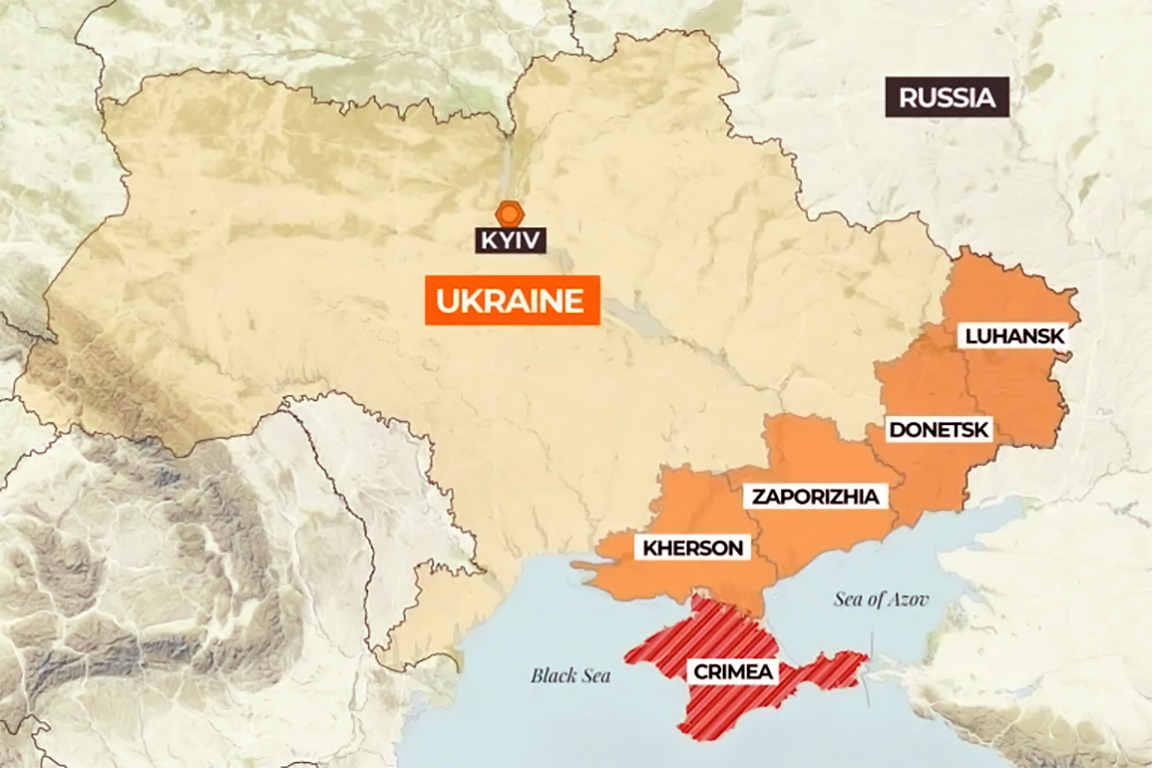
Zelensky pointed out that the main issues left to resolve are territorial concerns and the Russian-occupied Zaporizhzhia nuclear plant. There has been little progress regarding the Donbas region, which Russia wants to take completely. Currently, Russia controls about 75% of the Donetsk region and nearly 99% of the Luhansk region. Together, these regions are called Donbas. Russia has rejected important parts of the ongoing plan.
On Monday, the White House reported that President Trump had a “positive call” with Putin after the US-Ukraine talks.
Yuri Ushakov, a Kremlin foreign policy advisor, shared that during the call, Putin mentioned an alleged attack on his residence occurred soon after what the US considered a successful round of talks. Ushakov said, “The US president was shocked and angry about this information. He couldn’t believe such reckless actions. This will certainly affect how the US works with Zelensky.”
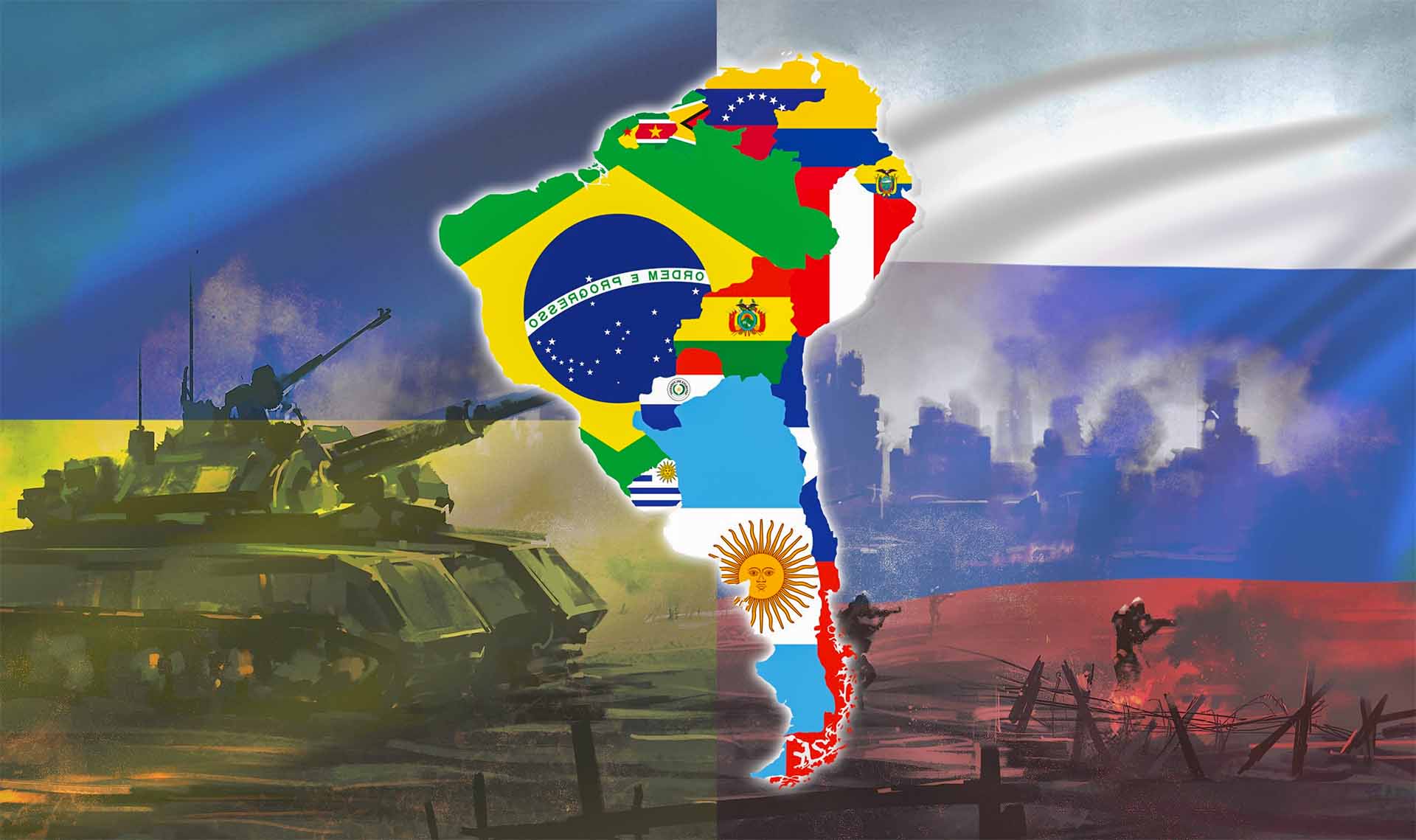
President Donald Trump’s growing threats to Venezuela may seem random, but they are part of larger global conflicts. This situation is not just a regional issue; it has broader implications.
Venezuela is becoming a bargaining chip in the struggle between major world powers, similar to Ukraine.
In his history of World War II, Antony Beevor shows how different conflicts around the globe, like the Nanjing massacre in China, Mussolini’s invasion of Abyssinia, and the Spanish Civil War, contributed to the start of the war.
This does not mean we are heading toward a third world war, but the risk is always present. As long as Trump and Russian President Vladimir Putin focus more on making deals than on fighting, it is more likely that they will reach an agreement than that a global war will occur.
Venezuela may not be a superpower, but it is important globally. It has the largest proven oil reserves in the world and is a political ally of China, Iran, and Russia, all countries that the US sees as rivals. Among these, Russia has the most complicated relationship with Venezuela. The US’s actions carry risks for Russia, but there may also be benefits.
A significant factor in this situation is the surprising improvement in US-Russia relations during Trump’s second term.
The War is Ending on His Terms
Since Vladimir Putin became president in 2000, the Kremlin has seen the United States as an unreliable partner and later as an enemy, believing the US aims to divide and control countries in the former Soviet Union.
Things changed when Donald Trump returned to the White House in early 2025. The US largely stopped its financial aid to Ukraine and took a neutral stance, although it still provides important intelligence to the Ukrainian military. In its latest National Security Strategy, the US even removed Russia from the list of “direct threats.”
As peace talks regarding Ukraine, started by Trump, slowly move forward, Putin may think that the war will end on terms favorable to him. Despite showing defiance, Ukrainian President Volodymyr Zelenskyy recently indicated he might agree to withdraw Ukrainian forces from northern Donbas, which is one of Russia’s main demands in the negotiations. This is just one of several concessions he has mentioned he might consider in 2025, while the Kremlin stays firm in its position.
At the same time, European Union countries have struggled to agree on a reparations loan that could provide steady funding for Ukraine in the future. A last-minute, cheaper alternative was suggested, but this situation shows the limits of Europe’s support for Ukraine.
Given these factors, it is not a good time for the Kremlin to risk its complicated but generally beneficial relationship with Trump’s administration over an issue as unrelated to Russia’s main interests as Venezuela.
Russia may make the expected public statements. Vassily Nebenzia, Russia’s envoy to the United Nations, accused the US of “aggressive neocolonialism” by pressuring Venezuela. He claimed the US is “cynically imposing its order” to maintain global control and exploit other countries’ resources without consequences.
This refers to the US’s demands for Venezuela to allow American oil companies back in, which used to control much of the country’s oil industry before it was gradually nationalized in the 1970s.
Military Attack on Venezuela Potentially Exceeds the Losses
The potential fall of Nicolas Maduro’s government is unlikely to be a disaster for Russia. Russia has shown it can adapt to new governments that replace its traditional allies in countries affected by U.S. regime change, as seen in Iraq and Syria.
There are also political calculations to consider. A U.S. military attack on Venezuela might have more benefits than drawbacks for Russia. Such an attack would put Russia and the U.S. on equal moral ground regarding the war in Ukraine. If the U.S. can use military force in what it calls “its backyard,” why can’t Russia do the same within its own sphere? U.S. actions in Venezuela could justify Russian actions in Ukraine for many, especially in the Global South. This would further divide the U.S. from Europe and increase polarization within the U.S. itself.
If the Trump administration also pursues its goal of occupying Greenland along with actions in Venezuela, the situation could become even better for Russia. This could create opportunities for better relations with the EU part of Europe, which is currently Russia’s main global rival.
Overall, Russians see themselves as defenders of the old order. They believe the U.S.-led West is trying to change the established post-World War II order, and they view the war in Ukraine as a way to push back against these changes.
Russian President Vladimir Putin said that Moscow will achieve its goals and dismissed the idea of war with the West. This comes as the European Union considers taking Russian funds to support Ukraine during a difficult fourth winter of the conflict.
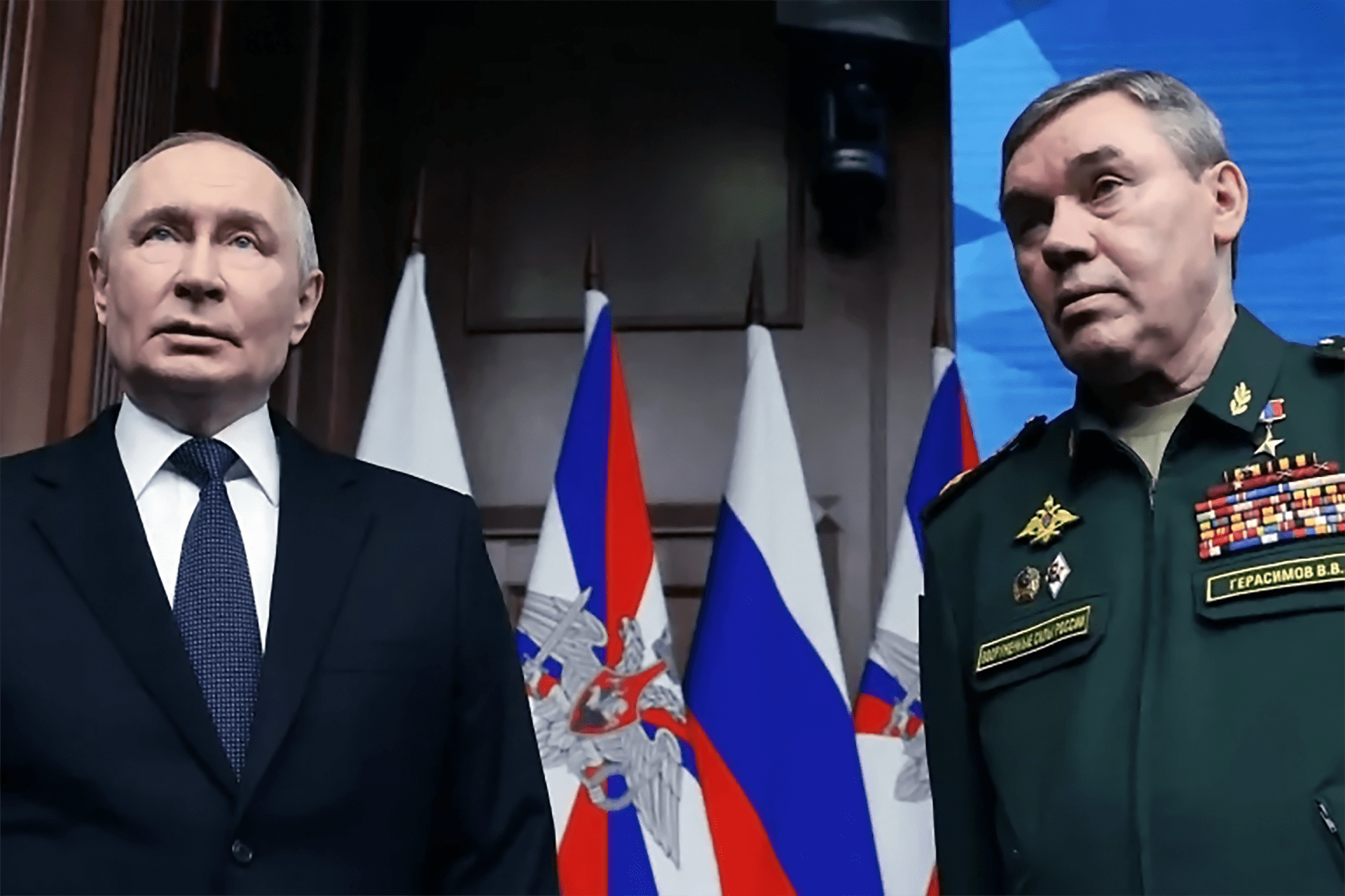
In a meeting with Ministry of Defence officials, Putin, as reported by state media, called the West’s calls for war preparation “hysteria and a lie.” He stated that the Kremlin will definitely reach its war goals and mentioned that 300 territories were “liberated” last year.
Putin repeated that Moscow prefers to solve the root causes of the conflict through negotiation, but it is also ready to use military action to “liberate its historical lands” if the West does not engage in important discussions.
These comments come one day before EU leaders meet to discuss whether to use part of the 210 billion euros ($246 billion) in Russian central bank assets in Europe to support Ukraine’s economic and military needs.
European Commission President Ursula von der Leyen told EU lawmakers, “It is clear that we must decide on funding Ukraine for the next two years during this European Council meeting.”
European Council President António Costa, who will lead the summit, promised to keep the negotiations going until an agreement is reached, even if it takes several days.
European Union officials want to use frozen Russian assets to support a €90 billion ($105 billion) loan for Ukraine. However, some countries, like Belgium and Italy, have raised concerns about the legality of this idea and have either rejected it or expressed serious doubts.
In a speech to the Italian parliament on Wednesday, Prime Minister Giorgia Meloni said negotiations in Berlin were “constructive.” She accused Russia of making unreasonable demands to keep Ukrainian territory in any agreements. She admitted that finding a legal way to use frozen Russian assets to help Ukraine is difficult. She stated that Italy needs a strong legal basis for any actions taken.
The UK Government will Donate £2.5 billion to the Ukrainians
Meanwhile, UK Prime Minister Keir Starmer announced in the House of Commons that his government will officially instruct the transfer of £2.5 billion ($3.3 billion) from Roman Abramovich’s sale of Chelsea FC to help humanitarian efforts in Ukraine. Starmer said the Russian billionaire, who sold the club in 2022 due to pressure from the British government after Russia’s invasion of Ukraine, must “pay up.”
On the battlefield, Ukraine said it had taken 90 percent of the town of Kupiansk in the Kharkiv region, which Russia claimed to have captured in November. Russian Defence Minister Andrei Belousov said during a televised meeting that Ukrainian forces were unsuccessfully trying to control Kupiansk.
Russia claims to control all of Crimea, about 90 percent of the eastern Donbas region (including Donetsk and Luhansk), and 75 percent of Kherson and Zaporizhia. Russia also holds some territories in the nearby regions of Kharkiv, Sumy, Dnipropetrovsk, and Mykolaiv.
Recently, both Russia and Ukraine have increased their attacks on each other’s energy sites and oil refineries.
Ukrainian President Volodymyr Zelensky said that China is working to strengthen its cooperation with Russia, especially in military production. This comes as their relationship deepens since Russia invaded Ukraine.
On social media, Zelensky shared a report from the head of Ukraine’s foreign intelligence agency. The report highlights that Russia relies on Chinese investment, technology, and political support.
Zelensky mentioned that intelligence partners have also seen the increased cooperation between China and Russia in the military sector. He has directed Ukraine’s foreign intelligence service to watch this cooperation closely, focusing on how it affects Ukraine and its Western allies.
“Global security must not be put at risk, as Russia’s desire for aggression continues,” he said.
The report highlights that parts of Russian territory are becoming less independent as they increasingly favor Beijing. This is happening mainly through the use of resource-rich land and the sale of valuable resources to China.
Despite Western pressure, China has grown closer to Russia since Russia’s full-scale invasion of Ukraine in February 2022.
China claims to be neutral in the conflict and has kept a low profile during global efforts to negotiate peace. However, many have urged China to use its influence over Moscow. Russia relies heavily on China to lessen the impact of Western sanctions.
In September, leaders from China and Russia discussed their idea for a new international order at the Shanghai Cooperation Organization (SCO) summit. Last month, during a meeting with Russian Prime Minister Mikhail Mishustin, Chinese President Xi Jinping promised to increase investment and strengthen economic ties between their countries. He called this closer relationship a “shared strategic choice.”
Xi mentioned several areas where they could work together, including aerospace, energy, agriculture, and the digital economy.
Coalition of the Willing to Meet
Ukrainian President Volodymyr Zelensky has warned that Ukrainian officials will soon share their latest proposals to end the war with U.S. negotiators. This comes as U.S. President Donald Trump pushes for a settlement.
Zelensky will discuss these negotiations in a video call on Thursday with leaders from about 30 of Ukraine’s allies, part of the “Coalition of the Willing,” led by France and the United Kingdom. The French presidency confirmed that the call will happen.
Ukraine’s European allies support President Zelensky’s goal of reaching a fair peace agreement that will stop future Russian attacks in Europe. They are concerned that Trump’s push for a quick deal could lead to an agreement that helps Russia.
In response to Trump’s comments suggesting that Zelensky is using the war to avoid elections, Zelensky said Ukraine could hold a vote within three months if its partners guarantee safety during wartime and adjust the electoral law.
“To hold elections, we must answer two main questions: First, how can we ensure security during the elections while facing attacks, and how will our military vote?” Zelensky explained.
“The second question is the legal framework needed to make sure the elections are legitimate,” he noted, pointing out that elections cannot happen during martial law.
Hospital Shelled in Russian-Controlled Kherson
Fighting continues in the war as peace talks go on.
In the southern Kherson region of Ukraine, controlled by Russia, Ukrainian shelling has killed three hospital workers and injured two others. Vladimir Saldo, the Russian-appointed governor, shared this information on Telegram. One of the injured workers is in intensive care.
Separately, Russian drones attacked the gas transport system in Ukraine’s southern Odesa region, reported Deputy Energy Minister Mykola Kolisnyk. Heavy fighting is also happening in Pokrovsk, in the eastern Donbas region, where Ukraine’s military is defending against a Russian mechanized attack.
A new peace proposal for Ukraine, created by the Trump administration, may call on Ukraine to give up the eastern Donbas region and limit its military in return for security guarantees from the United States, according to a Western official involved in the talks.
U.S. officials have indicated that the plan is still in development and that a final agreement will need both sides to make compromises, not just Ukraine. Some points being discussed, which seem to align with Moscow’s demands, are not final and are likely to change.
The 28-point plan has the support of President Donald Trump and is the White House’s current effort to end Russia’s war in Ukraine. Some ideas, like giving up land in areas not controlled by Russia, have been rejected by Ukraine in the past. However, U.S. officials see a chance to restart peace talks. The plan is still being outlined, and many details have not yet been decided.
“President Trump wants to end the war between Russia and Ukraine. He is frustrated that both sides have not reached a peace agreement,” said White House Press Secretary Karoline Leavitt. “Despite this, the President and his team are working on a clear plan to stop the fighting and create lasting peace.”
List of Potential Ideas
Secretary of State Marco Rubio said late Wednesday that the document is more of a “list of potential ideas” rather than a finished proposal. “Ending a complex and deadly war like the one in Ukraine needs a serious exchange of realistic ideas,” he wrote in a post on X. “To achieve lasting peace, both sides must agree to tough but necessary compromises. That’s why we are and will continue to develop a list of potential ideas for ending this war based on input from both sides.”
However, some of the suggestions may upset Ukraine and its supporters because they require significant land givebacks. The two regions in Donbas, Luhansk and Donetsk, are still partly controlled by Ukraine.
In the disputed areas of Kherson and Zaporizhzhia, the current battle lines would stay the same, according to a Western official familiar with the discussions. Moscow has previously asked that Kyiv give up these regions entirely. In one scenario, Ukraine would also need to reduce its military size and cut back on some of its military capabilities, including certain powerful weapons it has received during the war.
Other topics being discussed include the role of the Russian language and the Russian Orthodox Church in Ukraine after the war ends. The plan also offers U.S.-backed security guarantees to make sure that Russia cannot invade further or expand its conflict into Europe. A Western official shared these details about the document. This proposal is similar to a peace plan discussed in Istanbul during the early days of the war in 2022 and repeats some of Moscow’s broader demands regarding Ukraine’s military and alliances.
Talks in Ukraine
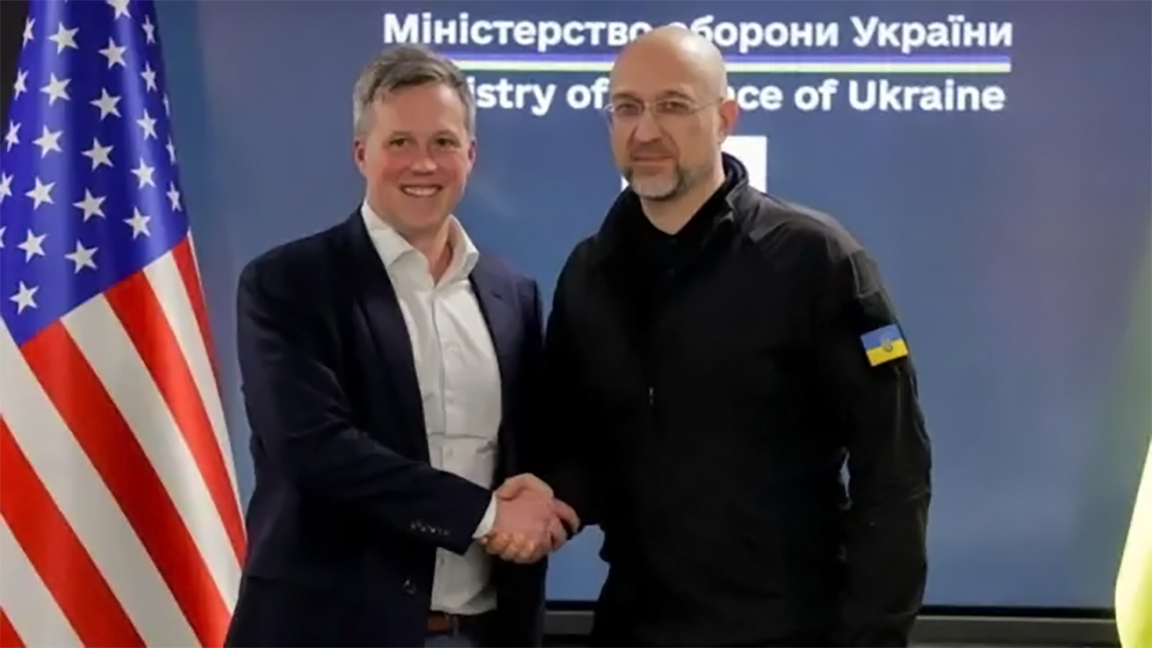
Army Secretary Dan Driscoll met with Ukrainian President Volodymyr Zelensky in Ukraine on Thursday and presented the Trump administration’s proposed peace plan, according to a U.S. defense official speaking to CNN. The official clarified that the U.S. expects Zelensky to sign a framework with the U.S. aimed at working towards a future peace agreement, rather than committing to a final peace deal at this stage.
The specifics of the timeline and whether Zelensky agreed to the proposed points remain unclear. European and Ukrainian officials told reporters on Wednesday that the plan appears to include unacceptable and maximalist demands from Russia, including the cession of territory in the eastern Donbas region that Russia does not currently control.
However, the Ukrainian presidential office noted on X on Thursday that “the President of Ukraine has officially received a draft plan from the American side that, in their assessment, could help reinvigorate diplomacy.”
The presidential office stated that “the President of Ukraine outlined the fundamental principles that matter to our people. Following today’s meeting, the parties agreed to work on the plan’s provisions in a way that would lead to a just end to the war.” Zelensky also expects to speak with Trump in the coming days.
When asked why the Army was tasked with delivering the peace plan instead of diplomats, the defense official explained that the Army “comes from a trusted position” with the Ukrainians and is already in Ukraine to attend meetings on battlefield innovation, a topic Driscoll has been deeply involved with during his tenure as secretary.
“We come from a trusted position. The U.S. Army is a proven ally of Ukraine,” the official added.
‘Groundhog Day’
A European diplomat supported a Western official’s view of a proposal that has received a lot of attention. The diplomat said this new plan repeats many of Moscow’s strong demands from 2022 and reminded them of the movie “Groundhog Day,” where events keep happening over and over. A European envoy based in Ukraine expressed that the proposal had completely caught the diplomatic community off guard.
“This has all been discussed before and rejected, and now we’re back to square one,” the diplomat stated. “For the Ukrainians, this is simply a non-starter, and for good reason. Accepting it would only invite the Russians to return at a future date. It would be political suicide for any Ukrainian leader to agree to this, and military suicide to hand over that fortified area.”
The diplomat also mentioned that foreign ministries across Europe and elsewhere were reaching out to contacts in Washington for guidance on the proposal, only to discover that officials there were also unaware of it.
“We have heard directly from people in the State Department and on Capitol Hill that nobody knew anything about this plan until it was leaked yesterday,” the diplomat reported. “People who should have been informed knew nothing about it. There’s a lot of annoyance and confusion.”
Any Plans Should Involve Europe
In her first public comments since the emergence of the reports, the European Union’s foreign policy chief, Kaja Kallas, told reporters on Thursday that “for any plan to work, it needs the support of Ukrainians and Europeans.”
Poland’s foreign minister, Radosław Sikorski, also remarked to CNN that any plans should involve Europe and preserve Kyiv’s ability to defend itself. “We have a much bigger stake in this than the U.S., and therefore Ukraine, as well as Europe, must be involved,” he asserted.
According to CNN, Trump’s special envoy, Steve Witkoff, has been leading the initiative. A source indicated that negotiations have accelerated this week as the administration believes the Kremlin has shown renewed openness to a deal. A U.S. official stated that Witkoff had been quietly working on the plan for a month, gathering input from both the Ukrainians and the Russians regarding acceptable terms.