Category: US News

  • World Responds to US Bombing Venezuela & Maduro’s ‘Capture’

    World Responds to US Bombing Venezuela & Maduro’s ‘Capture’

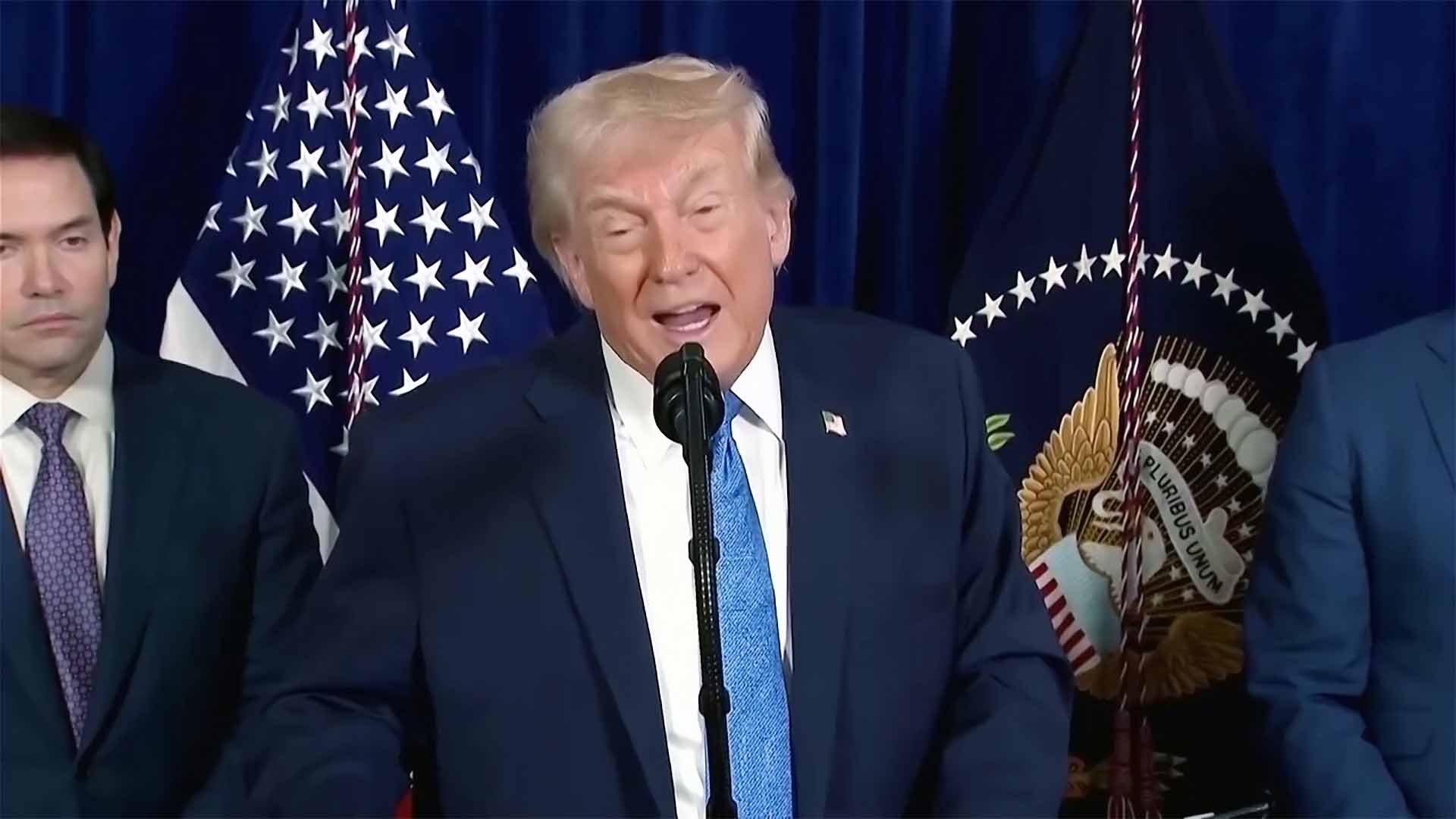
    United States President Donald Trump announced that the U.S. conducted a “large-scale strike” against Venezuela and its leader, President Nicolas Maduro.

    In a post on Truth Social, Trump said that Maduro and his wife were captured and flown out of the country after an operation conducted with U.S. law enforcement.

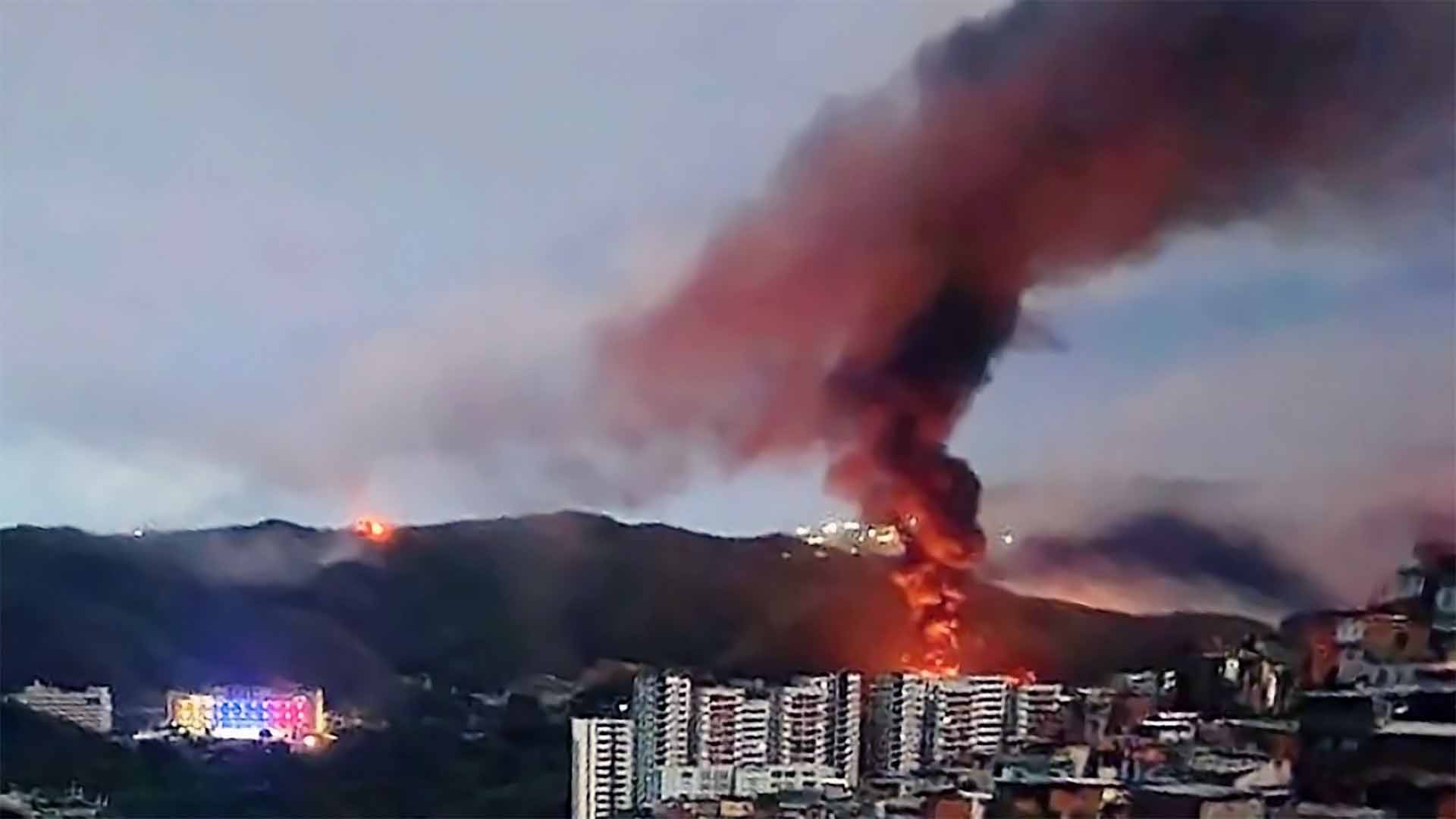
    The strikes happened inside Venezuela early on Saturday, marking a serious escalation that many Venezuelans had feared for weeks.

    U.S. media outlets, including Fox News and CBS News, reported on the strikes against the South American country.

    In a statement on X, U.S. Deputy Secretary of State Christopher Landau proclaimed that Venezuela was experiencing a “new dawn.” He stated, “A new dawn for Venezuela! The tyrant is gone. He will now – finally – face justice for his crimes.”

    In an initial response, Maduro accused the U.S. of “extremely serious military aggression.” His government declared, “Venezuela rejects, repudiates, and denounces before the international community the extremely serious military aggression perpetrated by the current government of the United States of America against Venezuelan territory and people.”

    Other countries are also reacting to the attack.

    Cuba

    Cuban President Miguel Diaz-Canel condemned the United States on social media. He accused the U.S. of carrying out a “criminal attack” against Venezuela and called for an urgent international response. In a post on X, Diaz-Canel stated that Cuba’s so-called “zone of peace” was being “brutally assaulted,” labeling the US action as “state terrorism” directed not only at the Venezuelan people but at “Our America” more broadly. He concluded his statement with the revolutionary slogan, “Homeland or Death, We Shall Overcome.” Additionally, a statement released by various Cuban embassies worldwide denounced the US military attack against Venezuela and demanded an urgent reaction from the international community, describing the attack as “state terrorism.”

    Chile

    Chilean President Gabriel Boric Font expressed his government’s “concern and condemnation” of the US military actions in Venezuela in a statement posted on X. He called for a peaceful resolution to the serious crisis affecting the country, reaffirming Chile’s commitment to fundamental principles of international law, such as the prohibition of the use of force, non-intervention, the peaceful settlement of international disputes, and the territorial integrity of states. Boric stated, “The Venezuelan crisis must be resolved through dialogue and the support of multilateralism, not through violence or foreign interference.”

    Mexico

    In a statement on X, Mexican President Claudia Sheinbaum Pardo condemned the military intervention in Venezuela. She included an article from the UN Charter that states, “Members of the Organization must not threaten or use force against any state’s land or political freedom. They should also avoid actions that go against the goals of the United Nations in their international relations.”

    Trinidad and Tobago

    “Earlier this morning, Saturday, January 3, 2026, the United States commenced military operations in the territory of Venezuela. Trinidad and Tobago is NOT a participant in any of these ongoing military operations. We continue to maintain peaceful relations with the people of Venezuela,” Prime Minister Kamla Persad-Bissessar said in a statement.

    Iran

    In a statement posted on X, Supreme Leader Ayatollah Ali Khamenei stated, “What’s important is that when one realizes an enemy wants to impose something on one’s government or nation with false claims, they must stand firmly against that enemy.”

    “We won’t yield to them. With reliance on God and the confidence of the people’s support, we will bring the enemy to its knees,” he added.

    Russia

    Moscow is very concerned and has condemned what it calls an “act of armed aggression” by the United States against Venezuela, according to the Russian Ministry of Foreign Affairs. The ministry emphasized that it is important to prevent further escalation and to focus on resolving the issue through dialogue.

    The ministry emphasized that “Venezuela must be guaranteed the right to determine its own destiny without any destructive military intervention from outside. We reaffirm our solidarity with the Venezuelan people and support for their leadership’s policy of defending the country’s national interests and sovereignty,” it added. The ministry also expressed extreme concern about the capture of President Maduro and his wife, stating that such actions constitute an unacceptable violation of the sovereignty of an independent state.

    United States

    In a statement posted on X, U.S. Attorney General Pam Bondi announced that Maduro and his wife have been indicted in the Southern District of New York. “Nicolas Maduro has been charged with narco-terrorism conspiracy, cocaine importation conspiracy, possession of destructive devices and machine guns, and conspiracy to possess machine guns and destructive devices against the United States. They will soon face the full force of American justice in American courts,” she said.

    Meanwhile, Republican Senator Mike Lee announced that the U.S. has completed its military action in Venezuela following the capture of Maduro. He said he anticipates no further action now that Maduro is in U.S. custody, stating this after a telephone call with U.S. Secretary of State Marco Rubio.

    United Kingdom

    British Prime Minister Keir Starmer stated that the UK was not involved in the United States’ strikes on Venezuela and expressed his intent to speak with President Trump to gather the full facts of what had occurred. “I want to establish the facts first. I want to speak to President Trump. I want to speak to our allies. I can be absolutely clear that we were not involved … and I believe we should all uphold international law,” he said in a statement to British broadcasters.

    European Union

    The EU High Representative for Foreign Affairs and Security Policy, Kaja Kallas, stated that she has spoken with US Secretary of State Marco Rubio and the EU ambassador in Caracas regarding the latest developments in Venezuela.

    “The EU is closely monitoring the situation in Venezuela,” Kallas said in a statement on X. “The EU has repeatedly asserted that Mr. Maduro lacks legitimacy and has advocated for a peaceful transition. Under all circumstances, the principles of international law and the UN Charter must be respected. We call for restraint. The safety of EU citizens in the country is our top priority.”

    Germany

    In a statement to the AFP news agency, Germany’s foreign ministry expressed that it is “monitoring the situation in Venezuela very closely and following the latest reports with great concern.” The foreign ministry added that it is in close contact with the embassy in Caracas and that the government’s crisis team is in session, coordinating closely with its partners.

    Italy

    Prime Minister Giorgia Meloni indicated that she is “closely monitoring the situation in Venezuela,” with the goal of “gathering information about our fellow citizens” in the country. Meloni mentioned that she is in constant contact with Italy’s Foreign Minister, Antonio Tajani. Approximately 160,000 Italians currently reside in Venezuela, most of whom hold dual citizenship.

    Indonesia

    Indonesia is keeping an eye on developments in Venezuela to ensure the safety of its citizens, stated Foreign Ministry Spokesperson Yvonne Mewengkang. “Indonesia also calls on all relevant parties to prioritize a peaceful resolution through de-escalation and dialogue while focusing on the protection of civilians. Indonesia emphasizes the importance of respecting international law and the principles of the UN Charter.”

  • US Cuts UN Humanitarian Aid To $2bn Amid Trump Demands for Reforms

    US Cuts UN Humanitarian Aid To $2bn Amid Trump Demands for Reforms

    The United States will contribute only $2 billion in humanitarian aid to the United Nations. This is a small amount compared to what the U.S. usually provides. The Trump administration is cutting back on foreign aid significantly.

    This new commitment, announced on Monday, is much lower than the up to $17 billion the U.S. has given in recent years as the UN’s main supporter. About $8 to $10 billion of that was voluntary funding, according to U.S. officials.

    Critics have strongly criticized these cuts, stating they lead to more deaths and hunger as millions of people around the world lose access to food, shelter, and basic aid.

    The $2 billion will be used for specific countries or crises, with 17 countries targeted at first. These include Bangladesh, the Democratic Republic of the Congo, Haiti, Syria, and Ukraine.

    Afghanistan and Palestine are not on this list. Officials say that aid for Palestine will come from funding related to Trump’s upcoming Gaza plan.

    Negative Consequences as Western Countries Reduce Aid

    Earlier this month, the United Nations (UN) asked for $23 billion in funding for 2026, but this is only half of what it needs. Western countries have cut their aid, which has led to these funding shortages.

    In June, the UN warned it would need to reduce its programs significantly because of the largest funding cuts ever in international aid.

    The Trump administration has weakened the main U.S. agency that provides foreign aid, the U.S. Agency for International Development (USAID). They have told UN agencies to “adapt, shrink, or die” in response to these changes.

    Other Western countries, including Germany, have also decreased their funding. The effects of these cuts are being felt quickly in the Middle East, South Asia, and Africa.

    In July, the UN High Commissioner for Refugees (UNHCR) said over 11 million refugees would lose access to aid. At that time, the agency had received only 23% of its $10.6 billion budget and expected its total budget to drop to $3.5 billion by the end of the year, which is not enough to help 122 million people.

    Basic services for Rohingya refugees in Bangladesh are in danger of collapsing, and education for more than 230,000 Rohingya children is likely to stop.

    The UN also predicted a rise in deaths from HIV/AIDS by 2029 due to the funding cuts. Additionally, the charity Doctors Without Borders reported that over 650 children have died from malnutrition in Nigeria because of the lack of international aid.

    Regulate the Spigot

    A senior U.S. official, speaking anonymously, told The Associated Press that the U.S. will provide $2 billion as part of a larger plan. In this plan, the UN humanitarian agency (OCHA) will manage the distribution of funds.

    The Trump administration wants UN agencies to have stronger leadership and authority, according to the official.

    OCHA chief Tom Fletcher has previously criticized the lack of international response to rising humanitarian needs, saying his agency is under pressure.

    Despite this, Fletcher praised the $2 billion agreement, stating that the U.S. is showing it can be a leader in humanitarian efforts.

  • US Launched Strikes on Islamic State in Nigeria

    US Launched Strikes on Islamic State in Nigeria

    The United States has carried out airstrikes against a group of fighters linked to the Islamic State in northwestern Nigeria. These fighters have been trying to take control of the area.

    The U.S. military attacked camps in Sokoto State, near the border with Niger. They found that several people may have been killed in the strikes.

    President Donald Trump called the strikes strong and said the fighters were dangerous people who target innocent Christians.

    Nigerian Foreign Minister Yusuf Maitama Tuggar said this was a joint operation and it wasn’t about any one religion.

    He also mentioned that they had planned the strikes for a long time and used information from Nigeria. More strikes could happen in the future.

    Tuggar explained that the timing of the attacks wasn’t because of Christmas; it was about stopping terrorists who harm Nigerians.

    For years, the Nigerian government has been fighting different groups that cause violence, especially in the northeast part of the country, which is far from Sokoto State.

    U.S. Attacked Late Thursday Night

    Eyewitness Umar Jabo told BBC News that the attack happened late Thursday night near the village of Jabo. He explained, “Everyone thought it was a plane. It crashed in the fields.”

    His statement was supported by images on social media, showing local people filming the burning aftermath in a field.

    Umar Jabo also said that no ISIS fighters were killed, adding, “Here in Jabo, we live peacefully, and there is no conflict between Christians and us.”

    The Trump administration has accused the Nigerian government of not protecting Christians from attacks by jihadists, claiming that a “genocide” is happening.

    Trump has called Nigeria a “country of particular concern.” This label, used by the U.S. State Department, allows for sanctions against countries that violate religious freedom severely.

    In November, the U.S. military was ordered to prepare for potential intervention in Nigeria.

    During that time, an adviser to Nigerian President Bola Tinubu stated in an interview with BBC News that militants were targeting individuals from various faiths. The adviser emphasized that any military action taken by the U.S. should be conducted jointly with Nigerian forces.

    No Evidence that Christians are Being Killed More Than Muslims

    Groups that monitor violence in Nigeria report there is no proof that Christians are being killed more than Muslims. The country has roughly equal numbers of both religions.

    On Christmas Day, Trump announced airstrikes, saying he would “not allow Radical Islamic Terrorism to prosper.”

    U.S. Defense Secretary Pete Hegseth thanked the Nigerian government for its support. He also wished everyone a “Merry Christmas!” in a post on X.

    The U.S. Department of Defense shared a video showing a missile being launched from a ship.


    US Launched Strikes on Islamic State in Nigeria


    On Friday morning, the Nigerian foreign ministry said the country is working closely with international partners, including the United States, to fight terrorism and violence.

    This cooperation has led to successful strikes against terrorist targets in the Northwest.

    Jihadist groups, like Boko Haram and their IS-connected branches, have caused trouble in northeastern Nigeria for over a decade, killing thousands of people. Reports from Acled show that most victims are Muslims.

    Bulama Bukati, a Nigerian human rights lawyer and conflict analyst, thinks Thursday’s strikes hit a new IS-aligned group that came from the Sahel region and moved to Nigeria.

    Bukati explained that the largest IS-linked group in Nigeria, the Islamic State West Africa Province, operates in the northeast. The smaller group, called Lakurawa, wants to establish a base in Sokoto state in the Northwest.

    “They started entering Nigeria in 2018, but in the last 18 months to two years, they have set up camps in Sokoto and Kebbi states,” he said. “They have been attacking people and imposing their rules in Sokoto state during this time.”

    Local official Bashar Isah Jabo said there are no IS or Lakurawa members in the village. He added that the missile landed less than 500 meters (1,600 feet) from a local hospital.

    Daily U.S. Reconnaissance Flights in Sokoto

    A pro-ISIS social media channel reports that U.S. reconnaissance flights are occurring almost daily in Sokoto and in Borno, the northeastern state where Nigeria’s largest ISIS-linked group operates.

    In central Nigeria, clashes occur frequently between mostly Muslim herders and farming groups, who are often Christian, over water and pasture access. Conflicts like these create ongoing violence, leading to many deaths. Both sides commit brutal acts.

    Recently, the U.S. military has launched two major operations against ISIS. Last week, it carried out a large strike on ISIS in Syria. U.S. Central Command (Centcom) said that fighter jets, attack helicopters, and artillery attacked over 70 targets in multiple locations across central Syria, with aircraft from Jordan also participating in the operation. These strikes were in retaliation for the deaths of three Americans, two soldiers and a civilian interpreter, who were killed in an ambush by the group.

  • Trump Expected to Reveal a Proposal for a “Peace Council” – Israeli Media

    Trump Expected to Reveal a Proposal for a “Peace Council” – Israeli Media

    The White House wants to move forward with the Gaza ceasefire process in January. However, Israeli Prime Minister Benjamin Netanyahu has resisted this plan, leading to tension with U.S. President Donald Trump’s team, according to Israeli media.

    According to Israel’s Channel 12, the U.S. aims to announce a new Palestinian technocratic government to manage daily affairs in Gaza in early January. This government is a key part of the second phase of the plan to end the conflict.

    The White House also plans to set up a multinational peace council to oversee the technocratic government and an international force to maintain security in Gaza next month.

    Trump may announce the peace council, which he has mentioned he would lead, during the Davos Economic Forum on January 19.

    Additionally, the U.S. envisions starting a staged disarmament of Hamas and other Palestinian armed groups, managed by the new technocratic government, according to a senior White House official.

    Demilitarization of Hamas is a major part of the ceasefire plan approved by the United Nations Security Council in November. However, Hamas has not fully committed to this. Recently, Hamas leader Khaled Meshaal stated that the group would consider a temporary “freeze” on its weapons but would not agree to complete disarmament.

    Netanyahu Government Making It Tough

    Trump’s envoy, Steve Witkoff, recently informed Israeli officials about U.S. plans to move forward with the ceasefire process and create a new peace council, according to a senior Israeli official reported by Israel’s Channel 13.

    However, Prime Minister Netanyahu is skeptical about these plans, particularly regarding the proposed disarmament of Hamas, as another source told Israel’s Channel 12.

    This discussion comes after Israel has repeatedly violated the October ceasefire, putting its future at risk. During the 11-week truce, Israel has attacked Gaza nearly every day, killing at least 406 Palestinians, including many civilians, according to the Palestinian Ministry of Health.

    Israel has also blocked the full delivery of promised aid and continues to restrict important food items like meat, dairy, and vegetables.

    On Tuesday, Israeli Defense Minister Israel Katz stated that Israeli forces “will never leave Gaza,” even though the ceasefire plan calls for a complete withdrawal.

    The U.S. is frustrated by what it sees as Israel’s lack of respect for the truce and the tactics that delay progress in the peace process, as reported by Israel’s Channel 12.

    An anonymous U.S. official said, “It feels like the Israelis are having second thoughts about the Gaza agreement. Implementation is already difficult, but sometimes the Israelis make it even harder.”

    Daniel Levy, a former Israeli government adviser who leads the U.S./Middle East Project, said that Israel likely will not meet key ceasefire terms, such as fully withdrawing and allowing a technocratic Palestinian government in Gaza, unless it faces significant outside pressure.

    “Israel has no intention of withdrawing from Gaza. It does not want an international force that could limit its ability to act against Palestinians,” Levy said. “It also doesn’t intend to allow legitimate Palestinian governance in Gaza. Unless it is pushed to accept these factors, Israel will continue to resist.”

  • US Gov. to Resume Wage Garnishment for Student Loan Defaulters

    US Gov. to Resume Wage Garnishment for Student Loan Defaulters

    The Trump administration plans to start garnishing wages for some borrowers who have not paid back their student loans. This is the first time the federal government has taken this action since the COVID-19 pandemic began.

    Starting January 7, affected borrowers will receive notices from the Department of Education.

    Initially, the policy will impact about 1,000 borrowers, with more borrowers expected to be affected over time. The spokesperson said, “The notices will increase in number each month.”

    When Al Jazeera asked how they chose the borrowers for this first round of garnishments and how many more might be affected, the agency did not provide details. However, they noted that collections only happen after borrowers have received enough notice and an opportunity to repay their loans.

    Under federal law, the government can take up to 15 percent of a borrower’s take-home pay if the borrower still has at least 30 times the federal minimum wage per week. The current federal minimum wage is $7.25 an hour, a rate that has not changed since July 2009.

    About one in six American adults has student loan debt, which totals around $1.6 trillion. As of April, more than 5 million borrowers had not made a payment in over a year, according to the Education Department.

    Economic Pressure Mounts for Many Americans

    The government plans to start garnishing wages as many Americans face economic pressure from rising prices and a slower job market. In 2025, more than 1.1 million people lost their jobs because there weren’t many new jobs available. In October, some jobs were lost, but in November, a few jobs were added.

    By the end of these months, the unemployment rate went up to 4.6 percent, which was the highest it had been since 2021.

    Julie Margetta Morgan, a former deputy undersecretary at the Education Department under President Joe Biden, told Al Jazeera, “Families are forced to choose between paying bills and putting food on the table. The Trump administration’s decision to start garnishing wages takes away even that small choice from borrowers who are struggling.”

    Morgan added, “Instead of fixing the affordability crisis that prevents Americans from paying their student loans, the government is punishing families and making them give up basic needs.”

    In addition to wages, the federal government can also take money from tax refunds, Social Security benefits, and certain disability payments.

  • Trump Recalls Many Career Diplomats Amidst an ‘America First’ Initiative

    Trump Recalls Many Career Diplomats Amidst an ‘America First’ Initiative

    The United States government is recalling many ambassadors and senior diplomats to make sure embassies are in line with President Donald Trump’s “America First” priorities. Some people believe this will harm the country’s reputation globally.

    The State Department did not share a list of the diplomats being recalled. However, a senior official told Reuters that this action is normal for any administration. The official explained that an ambassador represents the president.

    “It is the president’s right to have people in these countries who support the America First agenda,” the official said, speaking anonymously.

    Sources informed Reuters that nearly 30 senior diplomats from smaller countries are among those ordered back to Washington. These diplomats usually come from the apolitical Foreign Service and have been notified about their upcoming departures.

    Senior Diplomats Started Receiving Notices

    The Associated Press reported that senior diplomats from at least 29 countries started receiving notices on Wednesday about their departures. Politico first reported that two dozen ambassadors were told to leave their posts.

    The American Foreign Service Association, representing Foreign Service officers, released a statement on its Facebook page. It said it had heard credible reports that several career ambassadors appointed during the Biden administration were ordered to return by January 15 or 16 without any explanation for the move.

    “Abrupt and unexplained recalls show a harmful pattern of undermining and politicization. This affects morale, effectiveness, and U.S. credibility abroad,” said spokesperson Nikki Gamer in an email referenced by Reuters.

    Ambassadors serve at the president’s discretion and usually stay in their positions for three to four years. Those affected by this change will not lose their jobs but will return to Washington for other assignments if they choose to accept them.

    The news agency noted that Africa will be most impacted, with ambassadors from 13 countries being recalled: Burundi, Cameroon, Cape Verde, Gabon, Ivory Coast, Madagascar, Mauritius, Niger, Nigeria, Rwanda, Senegal, Somalia, and Uganda.

    Ambassador changes are also happening in Fiji, Laos, the Marshall Islands, Papua New Guinea, the Philippines, Vietnam, Armenia, Macedonia, Montenegro, Slovakia, Algeria, Egypt, Nepal, Sri Lanka, Guatemala, and Suriname.

    Jeanne Shaheen, a leading Democrat on the U.S. Senate Committee on Foreign Relations, said on X that Trump is “giving away U.S. leadership to China and Russia by removing qualified career ambassadors who serve faithfully no matter who is in power.”

    “This makes America less safe, less strong, and less prosperous,” she added.

  • Turning Point USA Hosted its AmericaFest Conference

    Turning Point USA Hosted its AmericaFest Conference

    Prominent conservative leaders in the United States had disagreements at the annual Turning Point USA (TPUSA) conference, revealing a divide within the Republican Party and among supporters of former President Donald Trump’s Make America Great Again (MAGA) movement.

    The four-day event took place in Phoenix, Arizona, and included Republican leaders, media personalities, and conservative activists. It showcased important differences in opinions within the conservative movement.

    Well-known figures such as Ben Shapiro, Megyn Kelly, and Tucker Carlson criticized each other on stage, discussing topics like U.S. support for Israel, bigotry, free speech, and more.

    So, what is Turning Point USA (TPUSA), and what are the main points from the AmericaFest conference, the first since the group’s founder, Charlie Kirk, was killed in September?

    What Is TPUSA?

    Turning Point USA (TPUSA) is a nonprofit conservative group based in the U.S. It was founded in 2012 by Charlie Kirk, who tragically died in September during an event in Utah. After his death, his wife, Erika Kirk, became the CEO of TPUSA.

    The group has over 850 chapters on college campuses across the country. It aims to mobilize and train young conservatives in high schools, colleges, and universities, promoting free-market ideas and limited government.

    The AmericaFest conference has been held annually since 2021. It includes political speeches, networking opportunities, and cultural programs to inspire young conservative activists.

    What Issues Divided the Conservatives?

    Ben Shapiro, the first speaker after CEO Kirk, criticized several fellow conservatives, especially Tucker Carlson and Megyn Kelly. He is a strong supporter of Israel and called some conservatives “grifters” and “charlatans” for promoting conspiracy theories and extremist figures in the movement.

    Shapiro condemned Carlson for hosting far-right figure Nick Fuentes on his podcast, calling it “an act of moral imbecility.” Fuentes has been accused of anti-Semitism.

    Carlson responded directly on stage. He mocked Shapiro’s comments and said that trying to exclude certain voices is divisive. He also stated that he “laughed” at the effort to censor differing opinions, which shows a major conflict within conservative media.

    Shapiro also criticized Candace Owens, who has spoken against Israel’s actions in Gaza, describing them as genocide and asking for Washington to stop its military support for Israel. He said Owens, who was not at the event, “has been vomiting all sorts of hideous and conspiratorial nonsense into the public square for years.”

    He accused former Fox News host Megyn Kelly of “cowardice” for failing to condemn Owens’ unfounded claims about a conspiracy involving the U.S. and Israeli governments regarding the killing of Charlie Kirk.

    Former presidential candidate Vivek Ramaswamy, who was born in the U.S. to Indian immigrants, spoke against bigotry and hate on the right. He said that anyone who normalizes hatred towards any ethnic or religious group “does not belong as a leader” in the conservative movement.

    During his speech, Carlson also condemned bigotry against Muslims. He said, “What you’re watching now… attacking millions of Americans because they’re Muslims? It’s disgusting.” He added, “I’m a Christian. I am not a Muslim. I know there’s a lot of effort to claim I’m a secret jihadi. I’m not.”

    In his closing speech at the convention, U.S. Vice President JD Vance chose not to take sides in the debate over bigotry. He said the conservative movement should welcome everyone who “loves America.” He stated, “I didn’t bring a list of conservatives to denounce or to de-platform. We don’t care if you’re white or Black, rich or poor, young or old, rural or urban, controversial or a little bit boring, or somewhere in between.”

    U.S. Support for Israel

    The topic of Israel came up often during the conference. Steve Bannon accused Shapiro, who is Jewish, and others who strongly support Israel of being part of the “Israel First” group.

    “Israel needs to be independent. If Israel wants to take on Syria, that’s its decision. But the U.S. should not get dragged into another endless war,” he said.

    Some people on the right question whether the Republican Party’s long-standing support for Israel fits with Trump’s “America First” policy.

    Tucker Carlson criticized some Christian ministers who he said justified the killing of innocent people in the context of Israel’s conflict in Gaza.

    “If a man commits a crime, do we kill his kids? I don’t care if it’s in Minneapolis or Gaza City. No, we don’t,” Carlson said. “God is not on any country’s side. He doesn’t have a nationality,” he added.

    Debate Over Who Is an American

    Vivek Ramaswamy, a Republican candidate for Ohio governor, challenged the idea that a person’s ancestry should decide if they are American.

    “The idea that a ‘heritage American’ is more American than another American is un-American,” he said at the conference.

    “You are an American if you believe in the rule of law, freedom of conscience and expression, a fair merit-based system, the U.S. Constitution, the American dream, and if you are a citizen who pledges loyalty to our nation,” Ramaswamy wrote in an opinion piece for The New York Times on December 17.

    Ramaswamy’s view on being American differs from that of his party colleague, Vice President J.D. Vance. In a July speech, Vance expressed concern about granting citizenship based only on agreement with the Declaration of Independence.

    “America is not just an idea. It is a group of people with a shared history and a common future. In short, it is a nation,” he said.

    During his speech on Sunday at the conference, Vance highlighted the Trump administration’s efforts to end diversity, equity, and inclusion policies aimed at helping historically disadvantaged communities.

    “In the United States, you don’t have to apologize for being white anymore,” he said, adding that the U.S. “always will be a Christian nation.”

  • US Sanctions More Venezuelan President Maduro’s Relatives & Associates

    US Sanctions More Venezuelan President Maduro’s Relatives & Associates

    The United States Department of the Treasury has announced new sanctions against several family members and associates of Venezuelan President Nicolas Maduro as the Trump administration intensifies its pressure on Caracas and continues to bolster US forces along Venezuela’s borders.

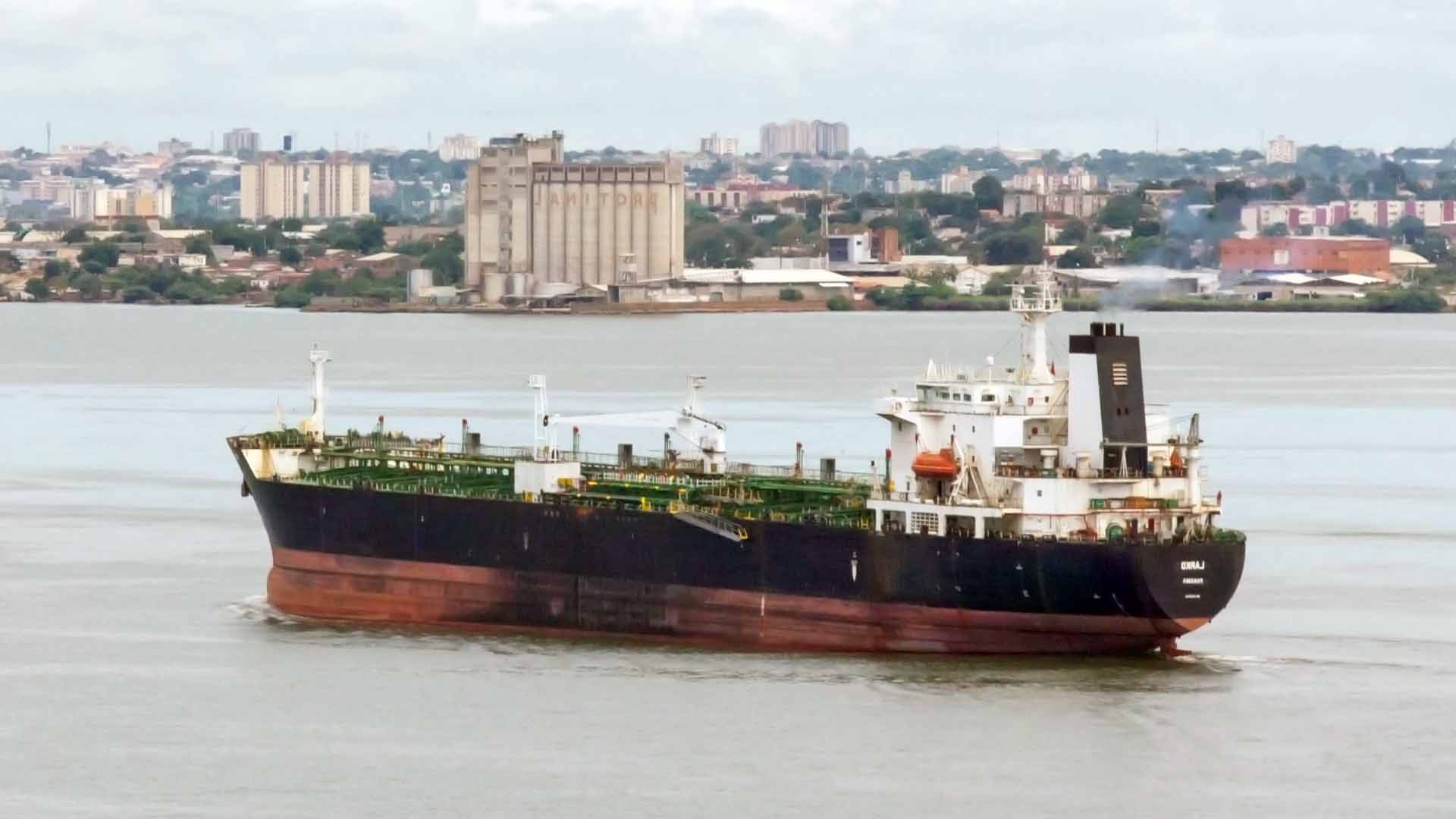
    These sanctions, announced on Friday, coincide with ongoing US military actions targeting vessels off Venezuela’s coast, which have resulted in over 100 fatalities. The US military has also seized a Venezuelan oil tanker and imposed a naval blockade on all ships arriving or departing from Venezuelan ports that are under US sanctions.

    US Secretary of the Treasury Scott Bessent said that Maduro and his helpers are a threat to our safety in the Americas. He also mentioned that the Trump administration will keep going after the people who help Maduro’s unfair government.

    The latest sanctions focus on seven individuals who are either family members or associates of Malpica Flores, a nephew of Maduro, along with Panamanian businessman Ramon Carretero. These individuals were named in a previous round of US sanctions that also targeted six Venezuela-flagged oil tankers and shipping companies on December 11.

    Flores, one of Maduro’s three nephews by marriage, is referred to as one of the “narco-nephews” by the US Treasury Department and is wanted for being “repeatedly linked to corruption” at Venezuela’s state-run oil company, Petroleos de Venezuela, SA, according to a Treasury statement.

    It remains unclear how Flores’s involvement with the state-run oil company is connected to efforts to support “Nicolas Maduro’s rogue narco-state,” which Bessent mentioned as a justification for extending sanctions to additional family members and associates of the president.

    Venezuela’s Oil Belongs to the United States

    The United States has stated that its increased military actions in the region since September, including attacks on ships in the eastern Pacific and the Caribbean, are mainly focused on fighting drug trafficking. However, international law experts believe these actions could be considered extrajudicial killings.

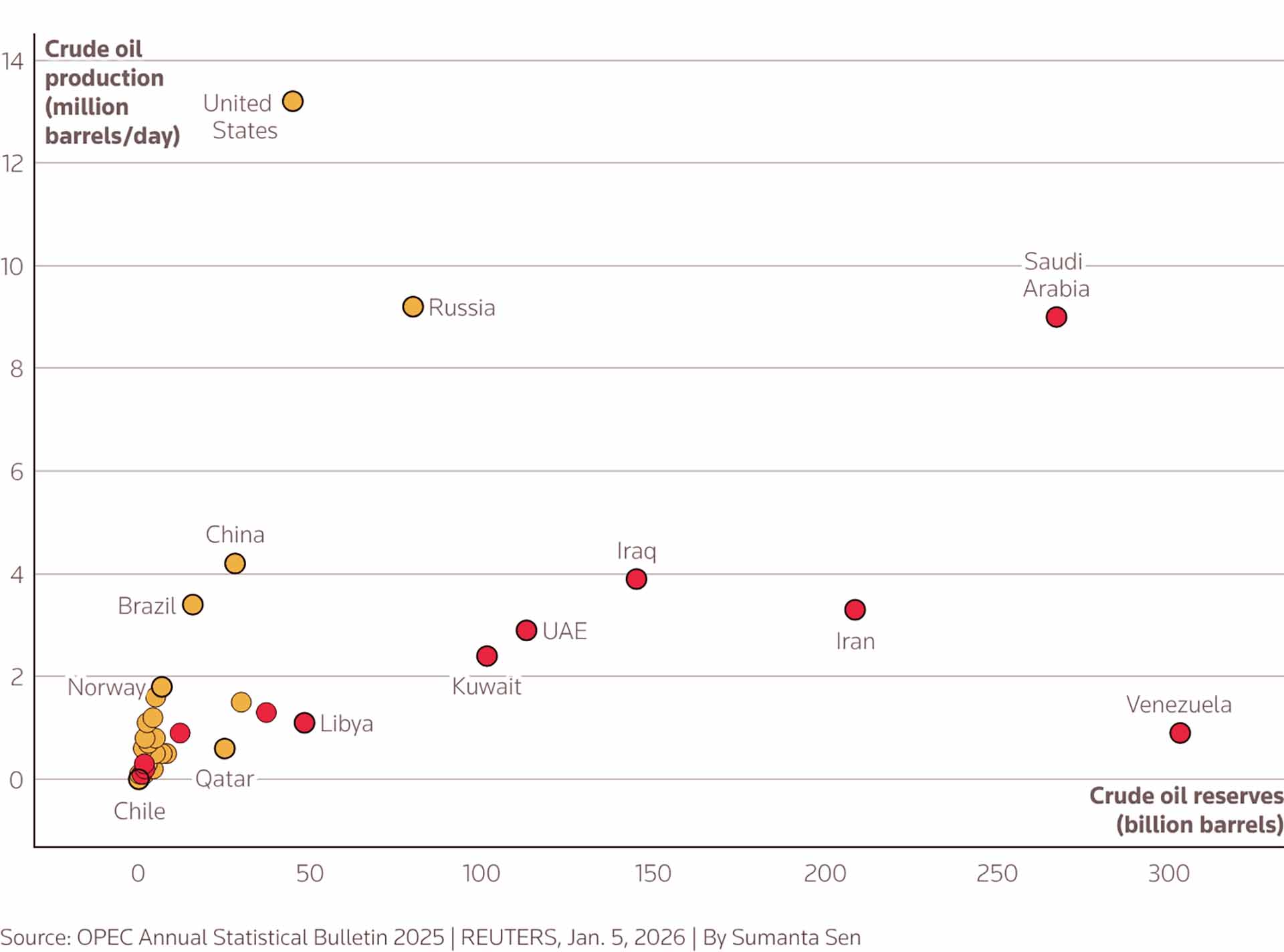
    Even though the administration keeps talking about drug trafficking, its actions and messages seem more directed at Venezuela’s large oil reserves, which are the biggest in the world. These reserves have mostly remained untouched since the United States imposed sanctions during Trump’s first term.

    Homeland Security adviser and Trump aide Stephen Miller stated last week that Venezuela’s oil belongs to the United States. On X, he claimed, “American sweat, ingenuity, and toil created the oil industry in Venezuela.” He added that its “tyrannical expropriation” was the largest recorded theft of American wealth and property.

    The US has put rules that hurt Venezuela’s oil industry, making the country’s problems worse and people unhappy with President Maduro, who has been in charge since 2013.

    Maduro says these rules are meant to change his government and take Venezuela’s oil.

    The European Union also set similar rules, which will last until 2027. These rules stop Venezuela from getting weapons and some people can’t travel or use their money because of what they did to others.

  • US Announced $11b Arms Package for Taiwan

    US Announced $11b Arms Package for Taiwan

    The Trump administration announced on Wednesday an $11.1 billion arms sale to Taiwan, marking the largest U.S. weapons package ever offered to the island amid increasing military pressure from China.

    This arms sale is the second one during President Donald Trump’s current administration and comes as Beijing intensifies its military and diplomatic pressure against Taiwan, which rejects Beijing’s claims of sovereignty.

    The proposed arms sales include eight items, such as HIMARS rocket systems, howitzers, Javelin anti-tank missiles, Altius loitering munition drones, and parts for additional equipment, according to a statement from Taiwan’s defense ministry.

    “The United States continues to assist Taiwan in maintaining sufficient self-defense capabilities, rapidly building strong deterrent power, and leveraging asymmetric warfare advantages, all of which are fundamental to maintaining regional peace and stability,” the ministry added.

    The package must be approved by the U.S. Congress, where Taiwan enjoys widespread bipartisan support.

    The Pentagon announced that the recent arms deal supports U.S. interests in national security, economy, and safety. The sales will help Taiwan modernize its armed forces and keep a strong defense.

    Encouraged by the United States, Taiwan has been working to transform its armed forces to engage in “asymmetric warfare,” utilizing mobile, smaller, and often less expensive weapons that still deliver effective strikes, such as drones.

    “Our country will continue to promote defense reforms, strengthen whole-of-society defense resilience, demonstrate our determination to defend ourselves, and safeguard peace through strength,” stated Karen Kuo, spokesperson for Taiwan’s presidential office, while expressing gratitude to the U.S. for the arms sales.

    $40 Billion 2026 Supplementary Defense

    Last month, Taiwan’s President Lai Ching-te announced a $40 billion defense budget for 2026 to 2033. He emphasized that there can be no compromise on national security.

    China’s foreign ministry reacted strongly, as it does with all U.S. arms sales to Taiwan. They said these deals endanger peace and stability in the Taiwan Strait and demanded that the U.S. stop these transactions. Guo Jiakun, a spokesperson for the ministry, warned that by supporting Taiwan’s independence with weapons, the U.S. would create problems for itself and that using Taiwan to limit China’s power will ultimately fail.

    Rupert Hammond-Chambers, president of the U.S.-Taiwan Business Council, stated that weapons like the HIMARS, which have been used by Ukraine against Russia, could help defend against a Chinese invasion. He added that this new package of U.S. security assistance for Taiwan is a response to China’s threats and reflects a call from Mr. Trump for allies to take more responsibility for their own defense.

    Foreign Minister’s US Visit

    Taiwan’s Foreign Minister, Lin Chia-lung, traveled to the Washington area last week to meet with U.S. officials. This trip was not announced in advance, according to two sources who spoke to Reuters but wished to remain anonymous.

    It is unclear what was discussed in these meetings, and Taiwan’s foreign ministry has chosen not to comment.

    The U.S. has formal diplomatic ties with China but maintains unofficial relations with Taiwan and is its main supplier of arms. U.S. law requires that Taiwan be provided with the means to defend itself, which creates tension with China.

    Former President Trump’s focus on deal-making and his planned meeting with Chinese President Xi Jinping next year have raised concerns about potential weakening of U.S. support for Taiwan. However, U.S. officials told Reuters at the beginning of Trump’s second term that they planned to increase weapons sales to Taiwan beyond the levels of his first term. This is part of an effort to deter China.

    The Trump administration’s national security strategy, released earlier this month, stated that the U.S. aims to prevent conflict over Taiwan by keeping military strength in the region. This statement was positively received in Taipei.

    The strategy also noted Taiwan’s importance due to its location, which separates Northeast and Southeast Asia. China considers Taiwan to be part of its territory, a claim that Taiwan rejects.

  • 5 Killed as US Military Destroys Two Vessels in Pacific

    5 Killed as US Military Destroys Two Vessels in Pacific

    United States forces have killed five more individuals aboard vessels in the Pacific Ocean, raising the death toll from the Trump administration’s military campaign against alleged seaborne drug traffickers to at least 104 since September.

    The US military’s Southern Command (SOUTHCOM) announced on Friday that it carried out “lethal kinetic strikes on two vessels” in the eastern Pacific at the instruction of Secretary of Defense Pete Hegseth, resulting in the death of three people in one vessel and two in another.

    Thursday’s attack by US forces followed a strike on another vessel the previous day, which also occurred in international waters in the eastern Pacific and resulted in the death of four individuals, according to SOUTHCOM.

    While the US military categorized the nine victims of the recent attacks as “male narco-terrorists,” Washington has not provided evidence that the nearly 30 vessels destroyed since September in the Pacific and Caribbean were involved in drug trafficking.

    The Secretary of Defense, Hegseth, is getting a lot of criticism. People say he ordered a second attack on survivors who were holding on to pieces of a ship after an earlier attack. Experts say it is wrong to attack people who are already in trouble.

    Latin American leaders and legal experts have condemned the US attacks as “extrajudicial killings,” while Trump has attempted to justify the killings as necessary to combat drug trafficking into the US from Latin American drug cartels, particularly those based in Venezuela.

    Trump has also ordered a significant military deployment to Latin America and threatened to remove Venezuelan President Nicolás Maduro from power, accusing him of overseeing a drug trafficking cartel.

    Total Vanal Blocade of All Oil Tankers

    Earlier this week, Trump escalated tensions by ordering a “total” naval blockade of all oil tankers under US sanctions from entering or leaving Venezuelan ports, a move designed to restrict the country’s oil resources and cripple its economy.

    Maduro has condemned Washington’s military mobilization and accused Trump of using the fight against drug trafficking as a pretext for “regime change” in Venezuela and for seizing the country’s oil reserves.

    Brazil’s President Luiz Inácio Lula da Silva stated on Thursday that he is willing to mediate between the US and Venezuela to “avoid armed conflict.” Mexico’s President Claudia Sheinbaum also offered to act as a mediator to find “a peaceful solution so that there is no US intervention.”

    Lula, one of Latin America’s most influential leaders, expressed that Brazil is “very worried” about the escalating crisis between Washington and Caracas. He told reporters that he informed Trump that “things wouldn’t be resolved by shooting; it is better to sit down around a table to find a solution.”

    “I am at the disposal of both Venezuela and the US to contribute to a peaceful resolution on our continent,” he added.

    Lula also voiced concern about the underlying motivations behind the campaign.

    “It can’t just be about overthrowing Maduro. What are the other interests that we don’t yet know about?” he questioned, noting that he did not know whether it was related to Venezuela’s oil, critical minerals, or rare earths.

    “Nobody ever states concretely why this war is necessary,” he remarked.

    According to The Associated Press, around 15,000 US personnel are now involved in the operation, marking the largest military buildup in Latin America in generations, alongside 11 warships, including the US’s largest aircraft carrier, and a squadron of advanced US Marine Corps F-35 fighter jets, in addition to other planes and drones.