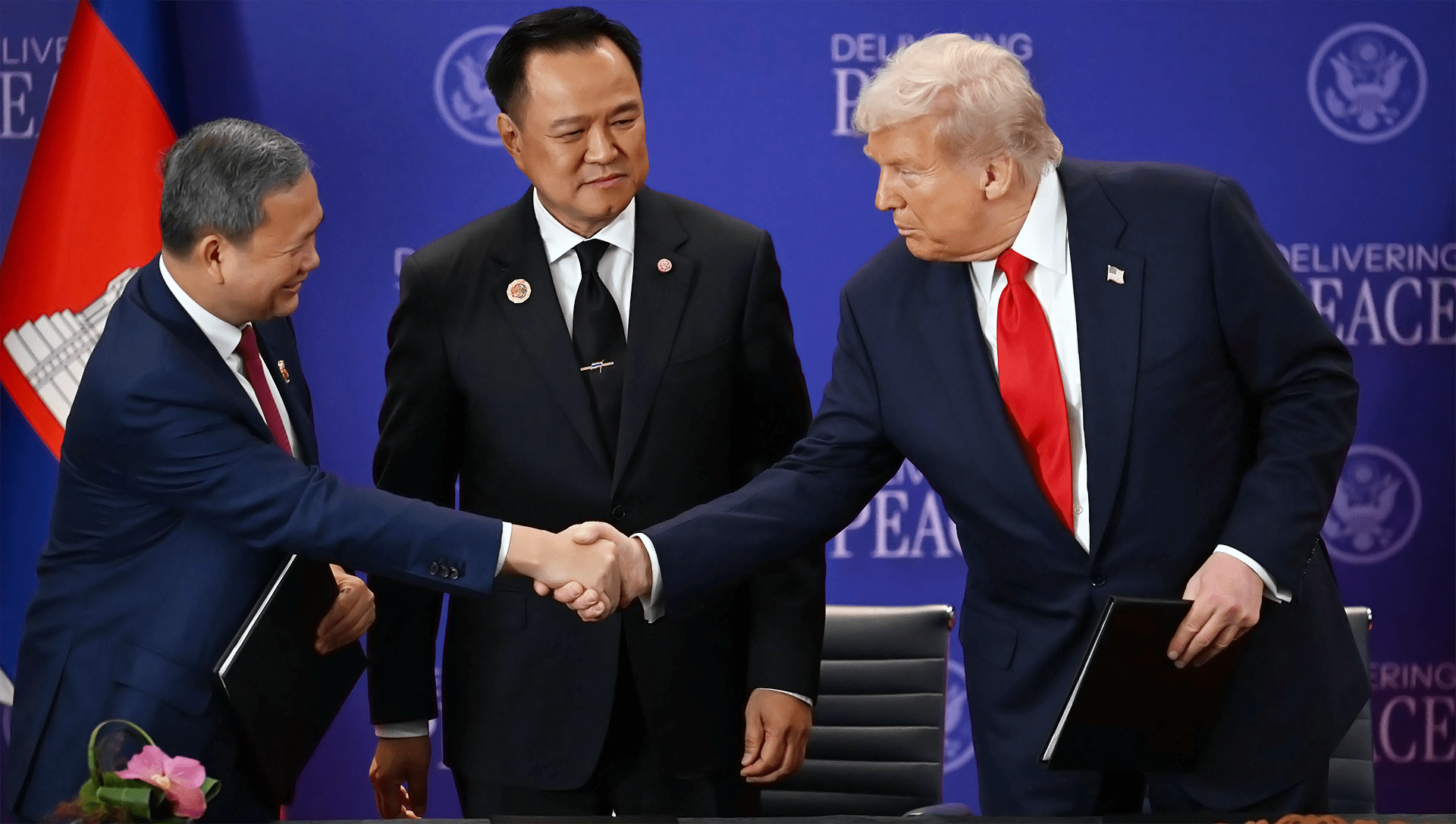
United States Secretary of State Marco Rubio has stated that President Donald Trump is personally overseeing efforts to end the war in Sudan, which is now in its third year and has caused severe suffering for the civilian population. During a cabinet meeting at the White House on Wednesday, Rubio emphasized that Trump is “the only leader in the world capable of resolving the Sudan crisis.”
Last month, Trump announced plans for the U.S. to collaborate with other members of the Quad, the United Arab Emirates, Saudi Arabia, and Egypt, along with additional regional partners, to put an end to the brutal 30-month conflict.
At a conference in the U.S., Trump said that the Saudi prince asked him for help to stop the fighting in Sudan. He called Sudan a very dangerous place and said many people there need help. Trump also said that other world leaders want him to take action to end the violence.
The civil war in Sudan began in April 2023, when the government-controlled Sudanese Armed Forces (SAF) clashed with the paramilitary Rapid Support Forces (RSF) over control of areas, including the capital, Khartoum.
Peace negotiations have been complicated by recent advances made by the RSF. Earlier this week, the RSF claimed to have taken control of Babnusa, a key city in the central Sudanese region of West Kordofan, although the SAF disputed this claim.
Babnusa is a crucial gateway to the western Darfur region, which the RSF fully controlled last month, as well as to the entirety of western Sudan. The RSF’s assault on Babnusa builds on its momentum following the capture of the city of el-Fasher, the army’s last stronghold in Darfur, after an 18-month siege. The RSF has faced accusations of committing widespread atrocities in el-Fasher.
Recent War Efforts Violate Unilateral Ceasefire
The latest fighting appears to violate a unilateral ceasefire announced by the RSF after mediation efforts by the Quad. The Sudanese Armed Forces (SAF) turned down the ceasefire terms suggested by the Quad, saying they favor the Rapid Support Forces (RSF) too much. The SAF also accused the RSF of continuing attacks even though they declared a truce. The SAF claims that the involvement of the United Arab Emirates in the Quad is unfair and that the proposal is meant to weaken the army.
While the UAE has been widely accused of supporting the RSF with funding and weapons, it has consistently denied any involvement.
United Nations High Commissioner for Human Rights Volker Turk expressed his concerns on Thursday about the possibility of new atrocities occurring amidst the intense fighting between the Sudanese Armed Forces (SAF) and the Rapid Support Forces (RSF).
The UN Human Rights Council has already initiated one inquiry into reported atrocities, which include systematic mass murder, rape, torture, and the forced displacement of non-Arab ethnic groups since the RSF took control of el-Fasher.
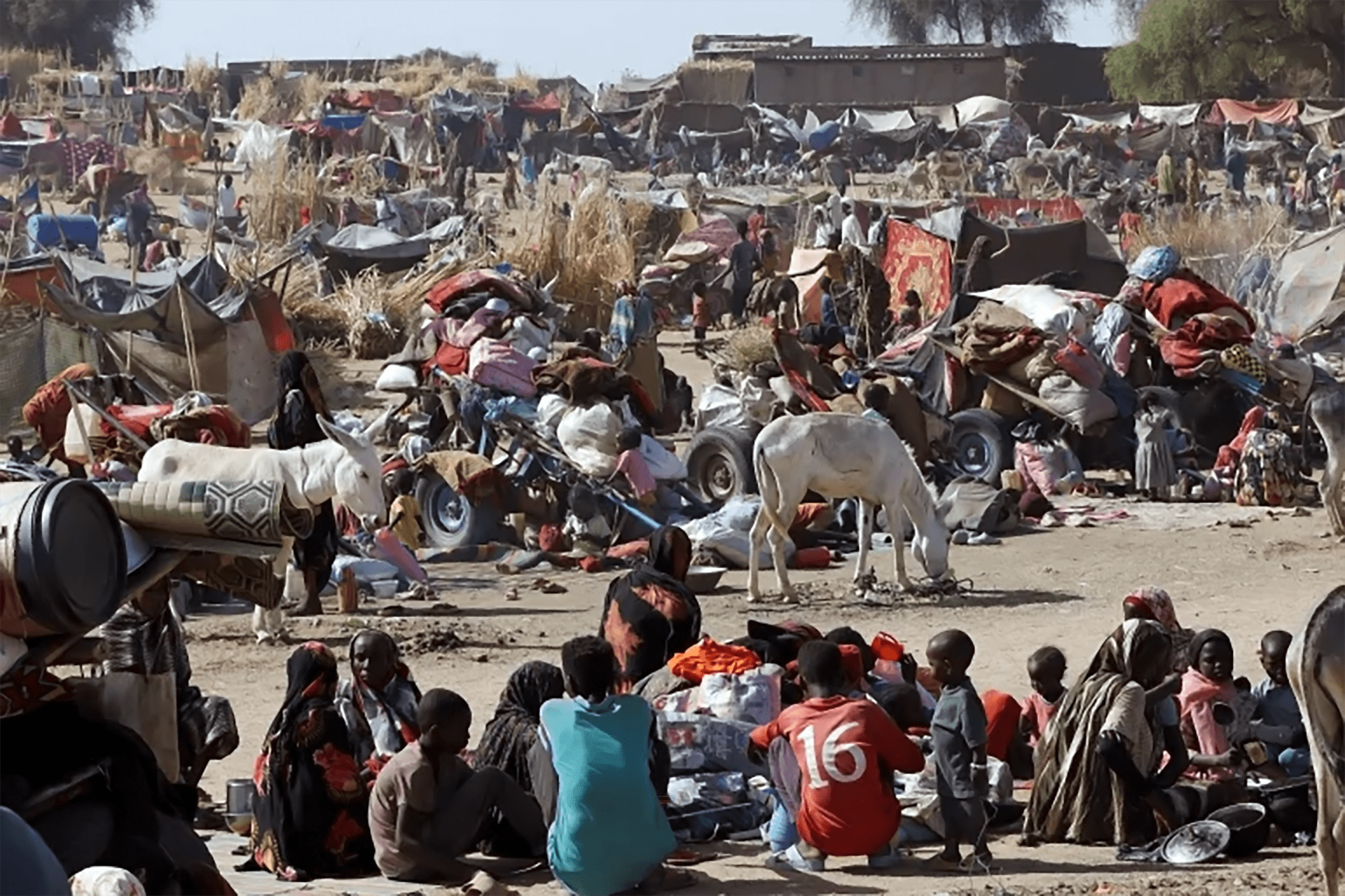
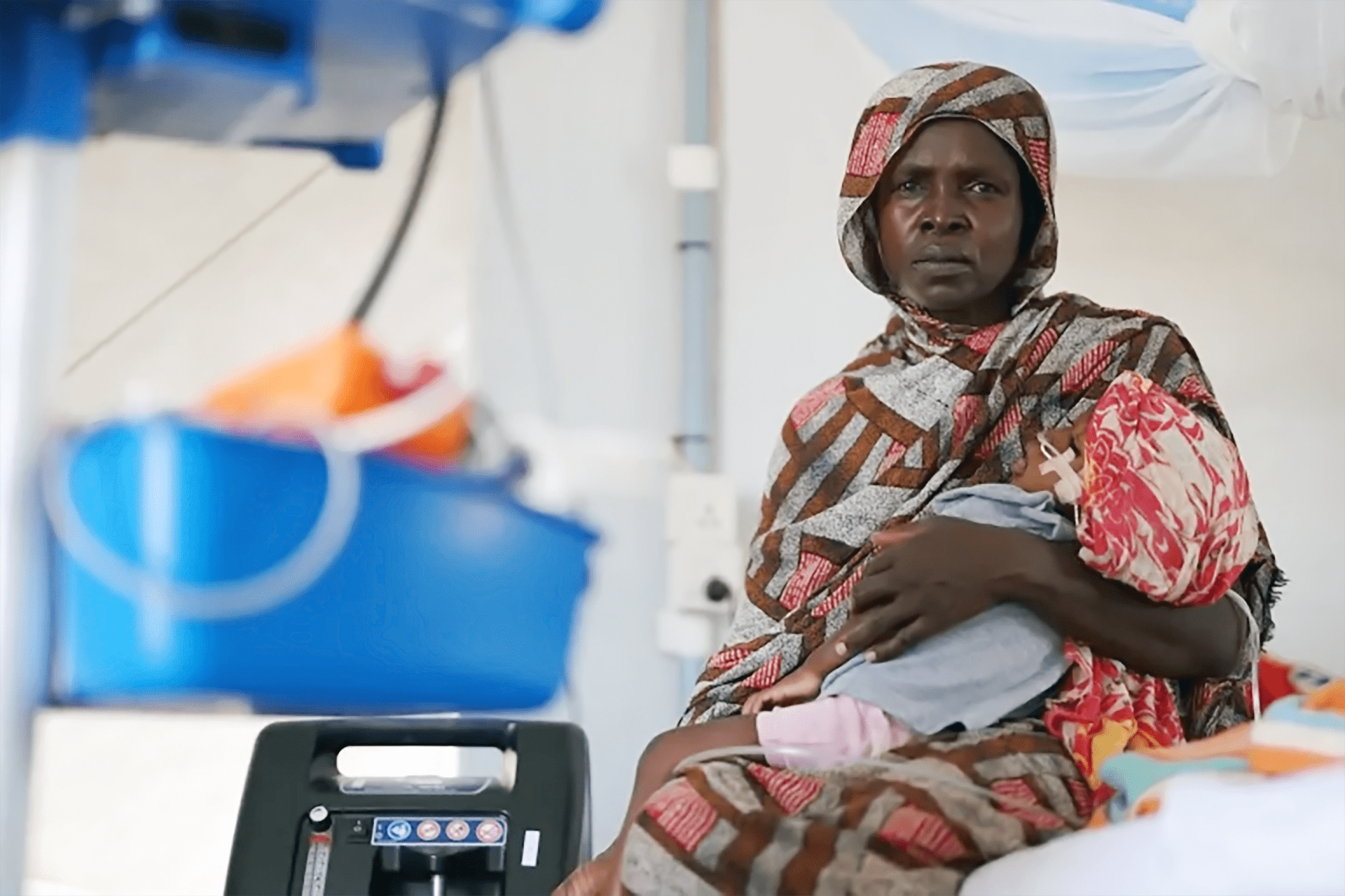
According to UN estimates, the ongoing war in Sudan has resulted in over 40,000 deaths. The reported number of affected individuals is underestimated, with the actual figure likely much higher. The UN has called this the largest humanitarian crisis in the world, as millions have been displaced and some regions are facing famine.
Amnesty International has called for an investigation into war crimes following an assault by the paramilitary Rapid Support Forces (RSF) on a displaced persons camp in North Darfur, Sudan, earlier this year. The report describes serious crimes committed by the Rapid Support Forces (RSF) during a large attack on the Zamzam camp. The RSF has been accused of carrying out indiscriminate killings and mass rape in its ongoing conflict with the Sudanese military government, which started in April 2023.
The attack on the camp, which is struggling with hunger, happened while the RSF was laying siege to El Fasher, the capital of North Darfur. The RSF now controls the state and is moving into West Kordofan, causing millions of people to be displaced.
The attacks on the Zamzam camp – the largest facility for internally displaced persons in North Darfur – took place between April 11 and April 13. According to the report, RSF fighters deployed explosives in populated areas and randomly fired upon residential neighborhoods.
The document provides numerous accounts of deadly attacks on civilians, with witnesses describing how RSF fighters fatally shot at least 47 people who were hiding in their homes, fleeing the violence, or seeking shelter in a mosque.
“The RSF’s horrific and deliberate assault on desperate, hungry civilians in Zamzam camp once again highlights its alarming disregard for human life,” said Agnes Callamard, secretary-general of Amnesty International.
“Civilians were ruthlessly attacked and killed, robbed of essential items for their survival and livelihood, and left without any means of seeking justice.”
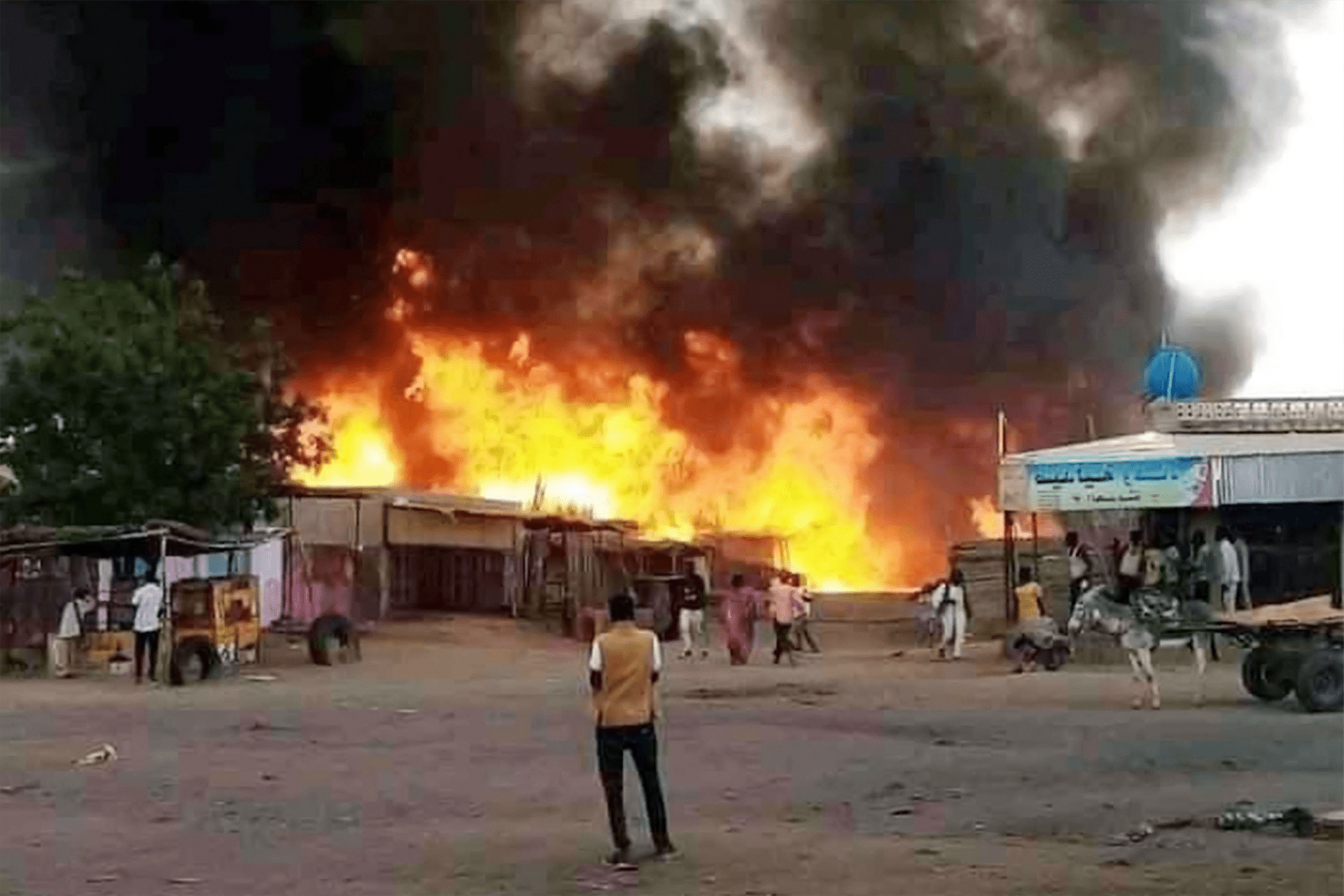
The assault, which included RSF fighters intentionally setting fire to homes and other buildings, as well as committing acts that may constitute rape and pillage, resulted in approximately 400,000 people fleeing the camp within just two days, according to the report.
RSF Fighter Shouting and Shooting Anywhere
The recent report accuses the Rapid Support Forces of serious violations during Sudan’s 30-month conflict. The report is based on interviews with 29 people, including witnesses, survivors, and family members of victims.
The Sudanese Armed Forces (SAF), which is part of the military government, has also been accused of numerous war crimes.
Survivors of the Zamzam attack described how RSF fighters shot at people without care and set fires, forcing residents to escape. One man said that the RSF fighters were shouting and shooting in all directions, which is how many people were killed. Another person said that you could not tell where the shelling was coming from, but it was everywhere.
A woman, who serves as a volunteer for a nongovernmental organization, described an RSF fighter randomly firing from his vehicle while driving near the camp’s main market. According to Amnesty International, shooting without a specific military target may constitute indiscriminate attacks, which are serious violations of international humanitarian law.
Another eyewitness shared a harrowing account of how 15 armed men stormed his compound and fatally shot his 80-year-old brother and 30-year-old nephew. “No one is concerned about our situation,” he moaned.
No End in Sight
Amnesty International has once again criticized the United Arab Emirates (UAE) in its report for allegedly supporting the Rapid Support Forces (RSF), a claim that has been widely made.
The UAE has firmly denied providing arms or financial support to the RSF.
The Sudanese Armed Forces (SAF) and the RSF have been engaged in a brutal conflict since April 2023, resulting in the deaths of tens of thousands of people and displacing nearly 12 million.
Efforts to negotiate a truce have made little progress. Last month, the RSF declared a unilateral ceasefire following a peace plan proposed by the “Quad,” a group of mediators that includes Egypt, Saudi Arabia, the UAE, and the United States.
The United States envoy has urged the warring parties in Sudan to accept his truce proposal without imposing any preconditions.
Massad Boulos, an adviser to President Donald Trump on African and Arab affairs, stated during a news conference in Abu Dhabi on Tuesday that he had presented a “comprehensive” ceasefire plan to the warring generals in Sudan, but neither side accepted it. He emphasized, “We would like them to accept the specific text that was presented to them” in its original form, referring to the commanders of the Sudanese Armed Forces and the Rapid Support Forces (RSF).
These comments followed an announcement from RSF leader Mohamed Hamdan Dagalo, also known as Hemedti, declaring that his paramilitary group would adhere to a unilateral “humanitarian truce” for three months.
Abdel Fattah al-Burhan, the commander of the Sudanese army, criticized the text proposed by the White House envoy, calling it “the worst” proposal since the vicious civil war began in April 2023.
The leader of the military government said that a plan from “the Quad,” which includes Egypt, Saudi Arabia, and the United Arab Emirates, would weaken the army and keep the Rapid Support Forces (RSF) in place.
Al-Burhan’s rejection of the plan shows his belief that the UAE supports the RSF with military and financial help, a claim the UAE denies. In March, the UAE criticized Sudan’s attempt to file a case against it in the International Court of Justice, calling the allegations a “cynical publicity stunt.”
Anwar Gargash, the diplomatic adviser to the UAE’s president, who was with Boulos on Tuesday, stated that the UAE supports efforts to end the war and condemns the “atrocities” committed by both the army and the RSF.
First Violation of Ceasefire
International organizations, satellite images, and eyewitness accounts have reported mass killings and rapes happening around el-Fasher for months. Amnesty International recently warned in a report that RSF (Rapid Support Forces) fighters are committing war crimes in el-Fasher.
Amy Pope, head of the International Organization for Migration (IOM), told Al Jazeera that the main concern is getting access to people who have been cut off from humanitarian aid and services in el-Fasher. She said, “When humanitarian workers are in danger, when they are killed, shot, or detained, we cannot provide what people need to survive.”
Pope stressed that the most urgent issue is ensuring a ceasefire and creating a humanitarian corridor so that aid groups can bring help to civilians caught in the conflict.
Agnes Callamard, the secretary-general of the NGO, criticized the UAE for allegedly supporting the paramilitary forces. She said, “These atrocities are made possible by the United Arab Emirates’ support for the RSF. The UAE’s ongoing backing of the RSF fuels the cycle of violence against civilians in Sudan.”
Later, the Sudan Doctors Network NGO reported that the RSF and South Sudan’s SPLM attacked the al-Zallataya Mine in South Kordofan and kidnapped more than 150 men and children. The organization called this act a “heinous crime” and pointed out that it is the first clear break of the RSF’s supposed humanitarian truce. They said that the militias took young men and children to recruit them as future fighters, which is a war crime and goes against international humanitarian law.
A new peace proposal for Ukraine, created by the Trump administration, may call on Ukraine to give up the eastern Donbas region and limit its military in return for security guarantees from the United States, according to a Western official involved in the talks.
U.S. officials have indicated that the plan is still in development and that a final agreement will need both sides to make compromises, not just Ukraine. Some points being discussed, which seem to align with Moscow’s demands, are not final and are likely to change.
The 28-point plan has the support of President Donald Trump and is the White House’s current effort to end Russia’s war in Ukraine. Some ideas, like giving up land in areas not controlled by Russia, have been rejected by Ukraine in the past. However, U.S. officials see a chance to restart peace talks. The plan is still being outlined, and many details have not yet been decided.
“President Trump wants to end the war between Russia and Ukraine. He is frustrated that both sides have not reached a peace agreement,” said White House Press Secretary Karoline Leavitt. “Despite this, the President and his team are working on a clear plan to stop the fighting and create lasting peace.”
List of Potential Ideas
Secretary of State Marco Rubio said late Wednesday that the document is more of a “list of potential ideas” rather than a finished proposal. “Ending a complex and deadly war like the one in Ukraine needs a serious exchange of realistic ideas,” he wrote in a post on X. “To achieve lasting peace, both sides must agree to tough but necessary compromises. That’s why we are and will continue to develop a list of potential ideas for ending this war based on input from both sides.”
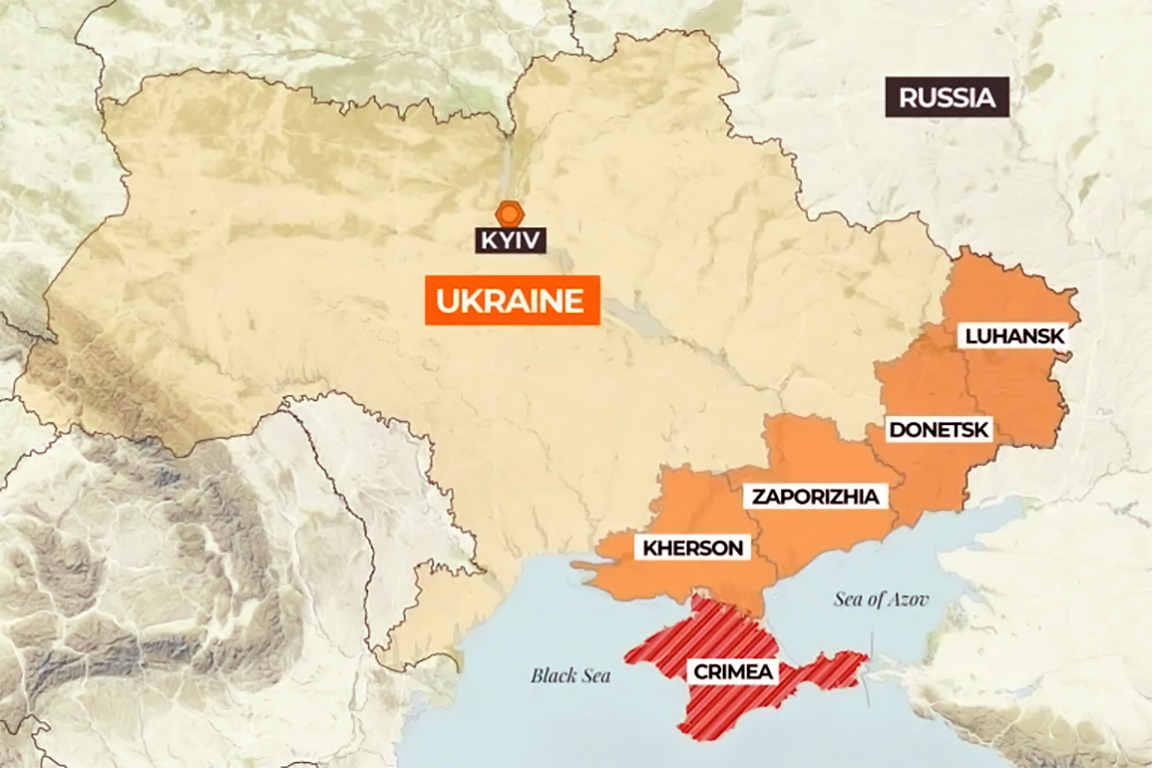
However, some of the suggestions may upset Ukraine and its supporters because they require significant land givebacks. The two regions in Donbas, Luhansk and Donetsk, are still partly controlled by Ukraine.
In the disputed areas of Kherson and Zaporizhzhia, the current battle lines would stay the same, according to a Western official familiar with the discussions. Moscow has previously asked that Kyiv give up these regions entirely. In one scenario, Ukraine would also need to reduce its military size and cut back on some of its military capabilities, including certain powerful weapons it has received during the war.
Other topics being discussed include the role of the Russian language and the Russian Orthodox Church in Ukraine after the war ends. The plan also offers U.S.-backed security guarantees to make sure that Russia cannot invade further or expand its conflict into Europe. A Western official shared these details about the document. This proposal is similar to a peace plan discussed in Istanbul during the early days of the war in 2022 and repeats some of Moscow’s broader demands regarding Ukraine’s military and alliances.
Talks in Ukraine
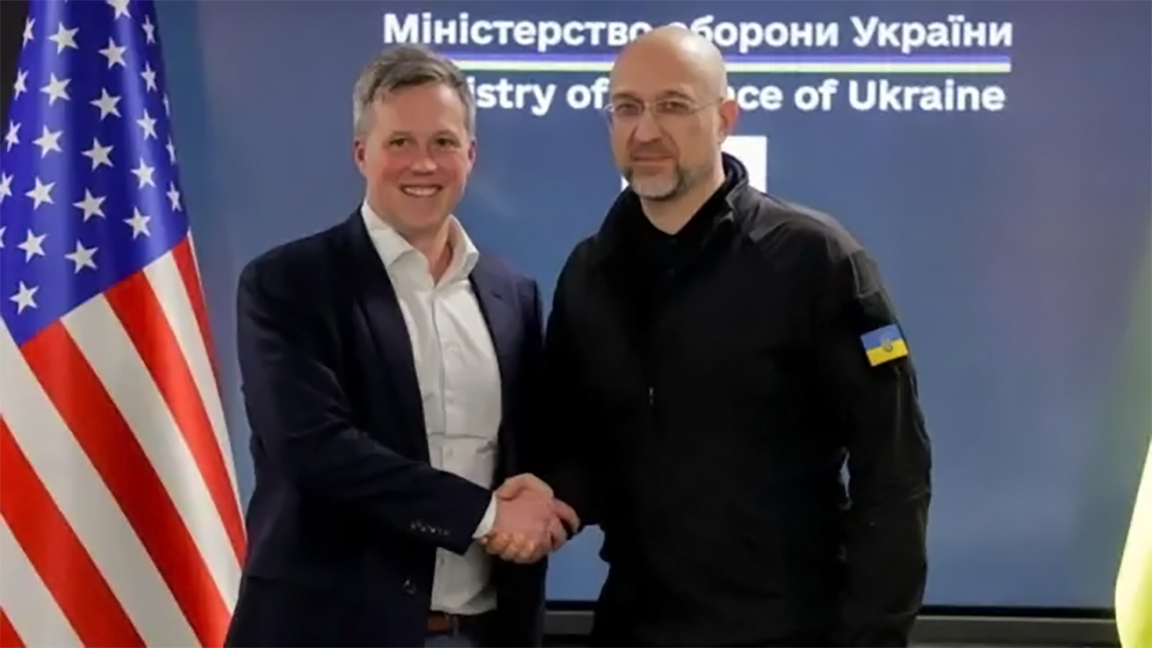
Army Secretary Dan Driscoll met with Ukrainian President Volodymyr Zelensky in Ukraine on Thursday and presented the Trump administration’s proposed peace plan, according to a U.S. defense official speaking to CNN. The official clarified that the U.S. expects Zelensky to sign a framework with the U.S. aimed at working towards a future peace agreement, rather than committing to a final peace deal at this stage.
The specifics of the timeline and whether Zelensky agreed to the proposed points remain unclear. European and Ukrainian officials told reporters on Wednesday that the plan appears to include unacceptable and maximalist demands from Russia, including the cession of territory in the eastern Donbas region that Russia does not currently control.
However, the Ukrainian presidential office noted on X on Thursday that “the President of Ukraine has officially received a draft plan from the American side that, in their assessment, could help reinvigorate diplomacy.”
The presidential office stated that “the President of Ukraine outlined the fundamental principles that matter to our people. Following today’s meeting, the parties agreed to work on the plan’s provisions in a way that would lead to a just end to the war.” Zelensky also expects to speak with Trump in the coming days.
When asked why the Army was tasked with delivering the peace plan instead of diplomats, the defense official explained that the Army “comes from a trusted position” with the Ukrainians and is already in Ukraine to attend meetings on battlefield innovation, a topic Driscoll has been deeply involved with during his tenure as secretary.
“We come from a trusted position. The U.S. Army is a proven ally of Ukraine,” the official added.
‘Groundhog Day’
A European diplomat supported a Western official’s view of a proposal that has received a lot of attention. The diplomat said this new plan repeats many of Moscow’s strong demands from 2022 and reminded them of the movie “Groundhog Day,” where events keep happening over and over. A European envoy based in Ukraine expressed that the proposal had completely caught the diplomatic community off guard.
“This has all been discussed before and rejected, and now we’re back to square one,” the diplomat stated. “For the Ukrainians, this is simply a non-starter, and for good reason. Accepting it would only invite the Russians to return at a future date. It would be political suicide for any Ukrainian leader to agree to this, and military suicide to hand over that fortified area.”
The diplomat also mentioned that foreign ministries across Europe and elsewhere were reaching out to contacts in Washington for guidance on the proposal, only to discover that officials there were also unaware of it.
“We have heard directly from people in the State Department and on Capitol Hill that nobody knew anything about this plan until it was leaked yesterday,” the diplomat reported. “People who should have been informed knew nothing about it. There’s a lot of annoyance and confusion.”
Any Plans Should Involve Europe
In her first public comments since the emergence of the reports, the European Union’s foreign policy chief, Kaja Kallas, told reporters on Thursday that “for any plan to work, it needs the support of Ukrainians and Europeans.”
Poland’s foreign minister, Radosław Sikorski, also remarked to CNN that any plans should involve Europe and preserve Kyiv’s ability to defend itself. “We have a much bigger stake in this than the U.S., and therefore Ukraine, as well as Europe, must be involved,” he asserted.
According to CNN, Trump’s special envoy, Steve Witkoff, has been leading the initiative. A source indicated that negotiations have accelerated this week as the administration believes the Kremlin has shown renewed openness to a deal. A U.S. official stated that Witkoff had been quietly working on the plan for a month, gathering input from both the Ukrainians and the Russians regarding acceptable terms.
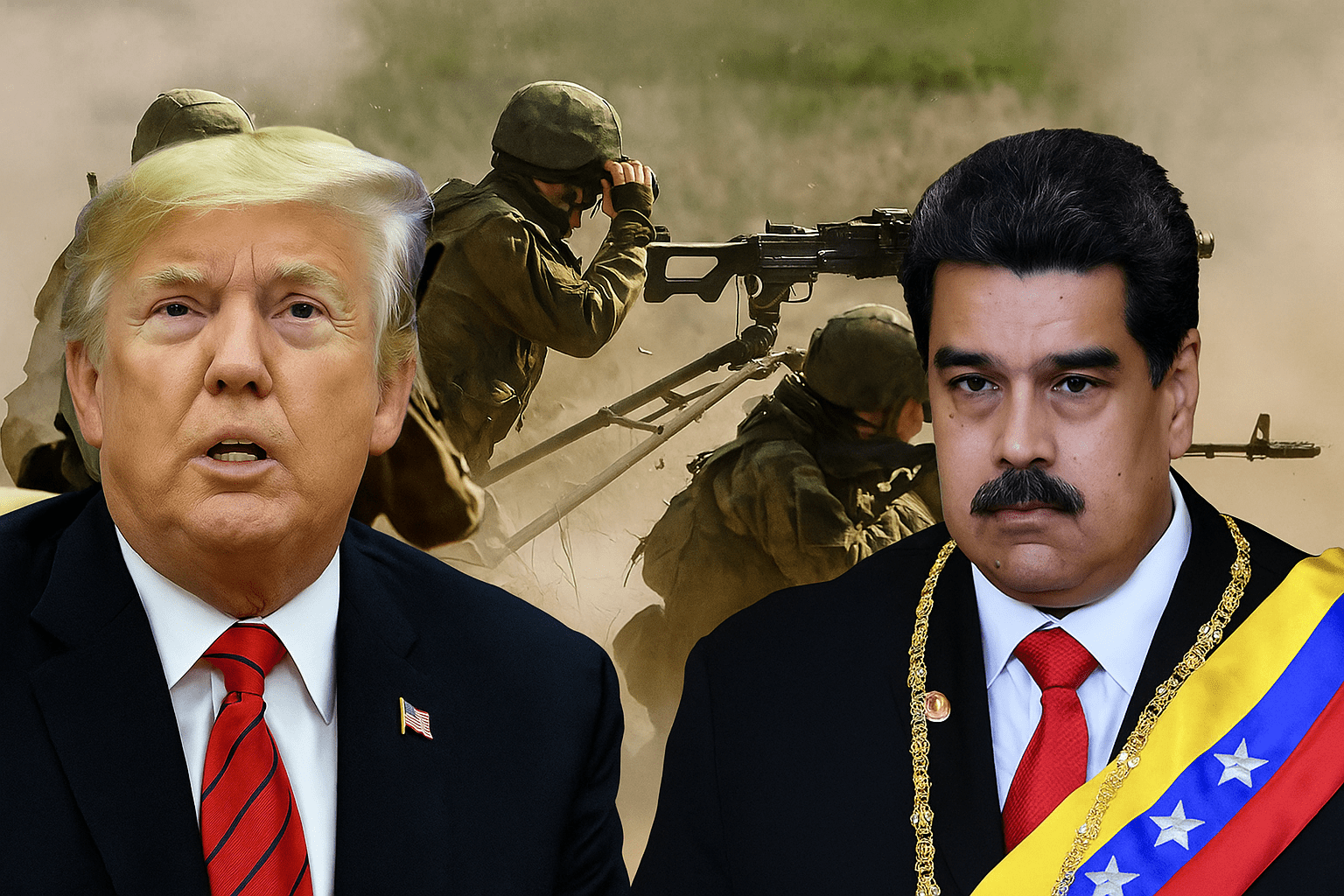
According to some CNN sources, U.S. President Donald Trump was briefed this week on options for military operations in Venezuela to pave the way in the country. Trump has not yet decided on how to proceed, and he is carefully weighing the risks and benefits of launching a more extensive campaign. The president has previously expressed concerns about the effectiveness of taking military action to remove Nicolas Maduro.
During Wednesday’s briefing, the president received an updated set of options to consider, but there were no indications that he is any closer to making a decision, according to one source. Another individual familiar with the briefing noted that the options presented were similar to those discussed at the Pentagon and some that have been made public in recent weeks.
The target options for a new operation called “SOUTHERN SPEAR” have been developed by the United States Southern Command, which has established planning cells for this purpose. This information comes from a senior U.S. official familiar with the planning. Top officials from Trump’s national security team, including Defense Secretary Pete Hegseth and Joint Chiefs Chairman General Dan Caine, presented these options.
Hegseth announced the operation on X Thursday night but did not provide specific details. He stated, “Led by Joint Task Force Southern Spear and @SOUTHCOM, this mission defends our homeland, removes narco-terrorists from our hemisphere, and secures our homeland from the drugs that are killing our people. The Western Hemisphere is America’s neighborhood – and we will protect it.”
Operation Southern Spear
Earlier in January, Southern Command had already announced an operation named “Operation Southern Spear,” which will employ “long-dwell robotic surface vessels, vertical take-off and landing robotic air vessels, and small robotic interceptor boats” to assist in counternarcotics efforts.
The aircraft carrier USS Gerald R. Ford, described by the U.S. Navy as “the most capable, adaptable, and lethal combat platform in the world,” arrived in the Caribbean this week as part of a significant increase in U.S. military resources.
Trump has several options for dealing with Venezuela. These include airstrikes on military or government sites, targeting drug routes, and attempts to remove Maduro directly. CNN reported that the president is considering plans to attack cocaine production facilities and drug trafficking routes in Venezuela.
However, it is also possible that he may choose to take no action at all. Administration officials informed lawmakers last week that the U.S. did not have a legal justification to support attacks against land targets, although they noted it might be possible to create one. Recently, Trump told CBS’s “60 Minutes” that he was not considering strikes inside Venezuela, despite having expressed openness to the idea earlier.
US Has No Legal Justification for Attacking Venezuela
Last Week, officials from the Trump administration informed lawmakers that the U.S. is not currently planning to conduct strikes inside Venezuela and lacks a legal justification for attacking any land targets at this time. This information was shared during a briefing by Secretary of State Marco Rubio, Defense Secretary Pete Hegseth, and an official from the White House’s Office of Legal Counsel.
During the classified session, lawmakers were informed that the opinion provided by the Justice Department’s Office of Legal Counsel, which was previously reported by CNN, does not authorize strikes within Venezuela or in any other territories. Additionally, the “execute order” that initiated the U.S. military campaign against suspected drug boats in September does not apply to land targets, according to the briefers. In meetings, the president has appeared cautious about ordering actions that could lead to failure or endanger U.S. troops, according to sources familiar with the situation.