The United States Middle East envoy, Steve Witkoff, is set to hold talks in Miami, Florida, with senior officials from Qatar, Egypt, and Turkey as efforts continue to advance the next phase of the Gaza ceasefire. This comes even as Israel has repeatedly violated the truce.
A White House official informed Al Jazeera Arabic on Friday that Witkoff will meet with representatives from the three countries to discuss the future of the agreement aimed at halting what has been described as Israel’s genocidal war on Gaza.
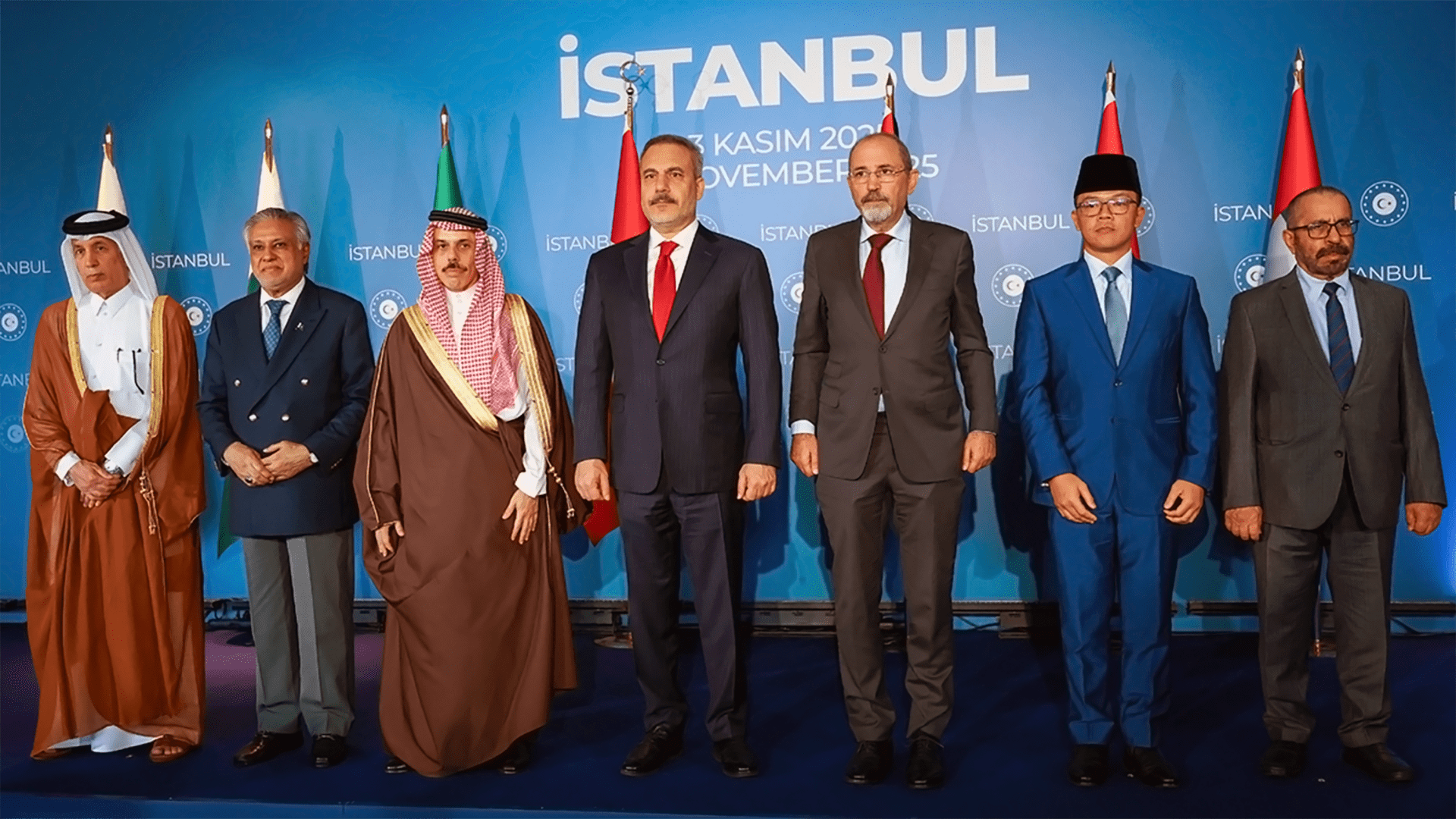
According to Axios, the meeting scheduled for later on Friday will include Qatari Prime Minister and Foreign Minister Sheikh Mohammed bin Abdulrahman bin Jassim Al Thani, Turkish Foreign Minister Hakan Fidan, and Egyptian Foreign Minister Badr Abdelatty.
Israel’s public broadcaster reported that Prime Minister Benjamin Netanyahu is holding a limited security meeting. He will discuss the next steps for the ceasefire and look at possible scenarios. An Israeli official warned that Israel might launch a new military campaign to disarm Hamas if U.S. President Donald Trump were to disengage from the Gaza process, although this move seems unlikely as Trump aims to maintain calm in the region.
Ceasefire is Still in Effect – Washington
Despite Washington’s claims that the ceasefire is still in effect, Israeli attacks have been ongoing and largely uninterrupted. Israel has not fulfilled the terms of the first phase of the ceasefire and continues to block the crucial flow of humanitarian aid into the besieged Palestinian territory.
Earlier on Friday, Israeli forces conducted airstrikes, artillery shelling, and heavy gunfire across eastern Khan Younis, further escalating violations of the Gaza ceasefire, as reported by an Al Jazeera Arabic correspondent on the ground.
Israeli attacks targeted areas under Israeli control in southern Gaza City, while shelling also hit Bani Suheila, located east of Khan Younis, inside the so-called “yellow line”—territory from which Israel was required to withdraw under the ceasefire agreement.
Al-Aqsa TV reported that Israeli artillery fire in eastern Khan Younis killed at least three Palestinians, including a woman. The channel also mentioned that Israeli naval vessels opened fire on fishing boats off the city’s coast.
In other areas, Israeli warplanes bombed Deir el-Balah in central Gaza and conducted another strike in Gaza City’s Shujayea neighborhood, where plumes of smoke rose from the targeted sites.
According to an analysis by Al Jazeera, Israeli forces carried out attacks on Gaza on 58 of the past 69 days of the truce, leaving only 11 days without reports of deaths, injuries, or violence.
In Washington, Trump stated on Thursday that Netanyahu is likely to visit him in Florida during the Christmas holidays, as the U.S. president pushes for the initiation of the agreement’s second phase. “Yes, he will probably visit me in Florida. He wants to meet. We haven’t formally arranged it yet, but he wants to meet me,” Trump told reporters.
Qatar and Egypt, which are mediating and guaranteeing the truce after a devastating two-year genocide in Gaza, have urged a transition to the second phase of the agreement. This plan includes a full Israeli military withdrawal and the deployment of an international stabilization force (ISF).
Hamas Seeks an End to Israeli Violations and Calls For a Political Solution
A senior Hamas official stated that the discussions in Miami should focus on ending Israeli violations of the truce in the Palestinian territories. Basem Naim, a member of Hamas’s political bureau, told the AFP news agency, “Our people expect these talks to result in an agreement that puts an end to ongoing Israeli lawlessness, halts all violations, and compels the occupation to abide by the Sharm El-Sheikh agreement.”
Naim emphasized that the new talks should facilitate the increased entry of humanitarian aid into Gaza.
He added that the discussions should concentrate on “the entry of aid, the opening of the Rafah crossing in both directions, and the delivery of everything necessary for repairs and infrastructure rehabilitation.”
Furthermore, Naim remarked that the talks should also address “the implementation of the remaining elements of the Trump plan in a manner that achieves sustainable stability, launches a comprehensive reconstruction process, and paves the way for a political track that empowers Palestinians to govern themselves, culminating in a fully sovereign and independent state.”
Qatar’s Prime Minister, Sheikh Mohammed, warned on Wednesday that daily violations of the Gaza ceasefire by Israel threaten the entire agreement. He emphasized the need for urgent progress towards the next phase of the deal aimed at ending Israel’s wartime actions against the besieged Palestinian enclave.
This appeal came after talks with U.S. Secretary of State Marco Rubio in Washington. Sheikh Mohammed highlighted that “delays and ceasefire violations endanger the entire process and place mediators in a difficult position.”
Fragile Peace, Established Occupation
The ceasefire is very fragile. Palestinians and human rights groups say it is only a ceasefire in name because Israel is still violating the agreement, and the humanitarian situation in Gaza is getting worse.
Since the ceasefire started on October 10, 2025, Israel has broken the agreement multiple times, causing the deaths of hundreds of Palestinians. Gaza’s Government Media Office reports that Israel committed at least 738 violations between October 10 and December 12. These violations included airstrikes, artillery fire, and direct shootings.
Israeli forces have shot at civilians 205 times and conducted 37 incursions beyond the “yellow line.” They have bombed or shelled Gaza 358 times, demolished properties 138 times, and detained 43 Palestinians. Furthermore, Israel continues to block critical humanitarian aid while systematically destroying homes and infrastructure.
Amid these events, the media outlet Israel Hayom quoted an Israeli security official stating that the “yellow line” now marks Israel’s new border inside Gaza. An official said that Israeli forces will not leave until Hamas is disarmed. The army is preparing to stay in the area for a long time.
The newspaper also reported that Israeli military leaders want to keep control of half of Gaza. This suggests that Israel plans to strengthen its occupation instead of pursuing a real ceasefire.
To make matters worse, a significant storm that recently struck Gaza has killed at least 13 people, causing torrential rains and strong winds that flooded tents and led to the collapse of damaged buildings.
Israel’s two-year war has devastated over 80 percent of the structures in Gaza, forcing hundreds of thousands of families to seek refuge in flimsy tents or overcrowded makeshift shelters.
Leave a Reply