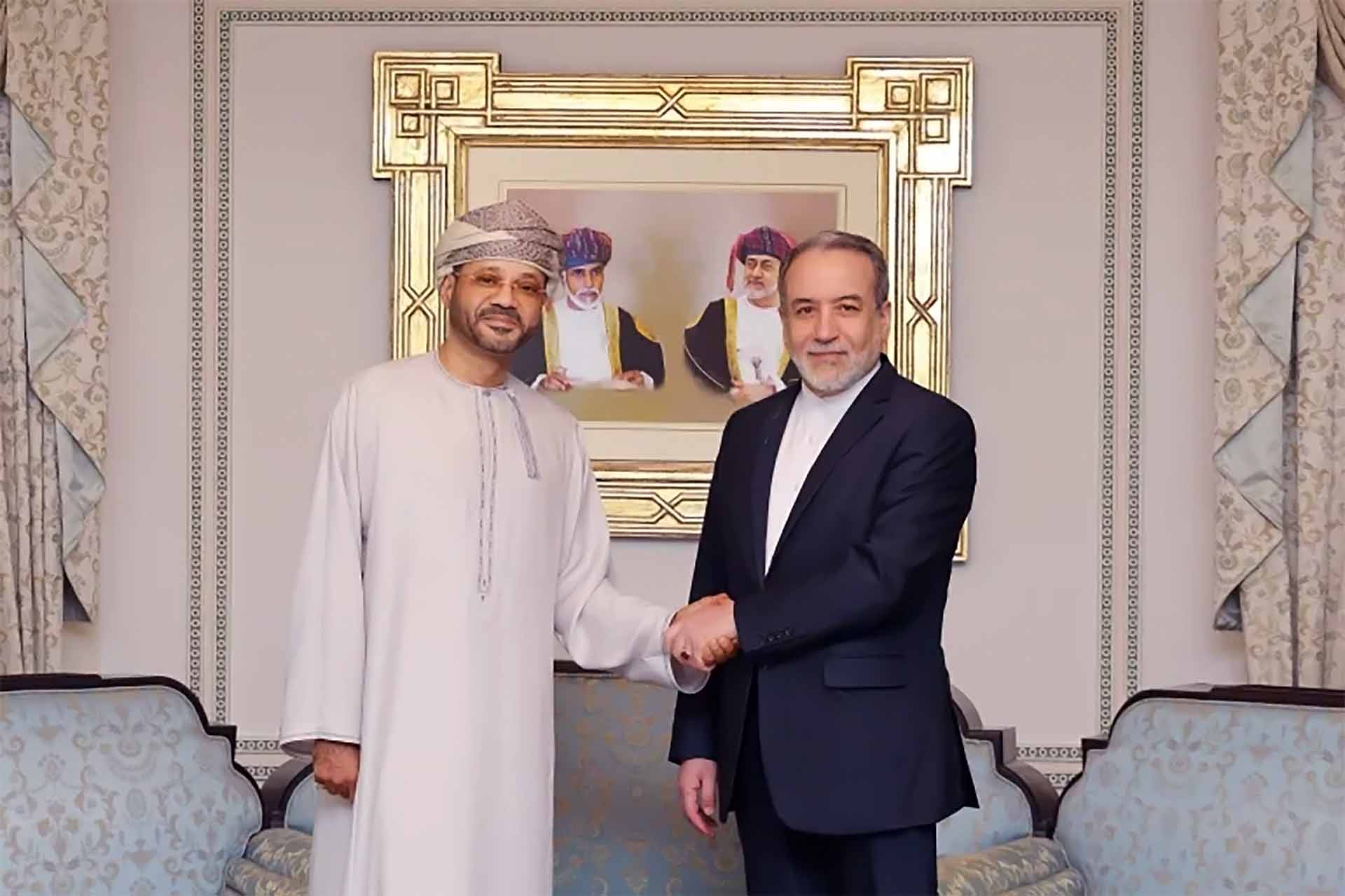
Iranian officials called the recent talks with the United States in Oman “positive.” US President Donald Trump described the indirect discussions as “very good.” However, these talks have not yet provided a clear plan to ease fears of a US attack.
After the talks ended, Iran’s Foreign Minister Abbas Araghchi spoke to Iranian television in Muscat. He said the indirect talks started well and that they would decide on the next steps after discussing with their governments.
Araghchi expressed concern about a climate of “mistrust” following a US military attack on Iran’s nuclear sites. This attack happened when the US briefly joined Israel in a conflict with Iran in June, just days before a sixth round of talks was set to take place.
Later, President Trump told reporters on Air Force One that the discussions about Iran had been “very good” and that more talks are planned for early next week.
However, Trump also warned that if Iran does not agree on its nuclear program, “the consequences are very steep.” He added, “Iran looks like they want to make a deal very badly – as they should.” He hinted that Iran might be willing to offer more than before but did not share any specific details.
In Muscat, Iran’s team was led by Araghchi. The US sent special envoy Steve Witkoff and Trump’s son-in-law, Jared Kushner. US Central Command Chief Brad Cooper, the top commander in the region, also took part in the US delegation.
Identify Areas for Potential Improvement
Oman’s Foreign Minister Badr bin Hamad Al Busaidi met separately with officials from the US and Iran on Friday. He conveyed messages between the two sides.
He said, “It was helpful to understand both Iranian and American views and find areas for possible progress,” and expressed hope to “meet again soon.”
The discussions aimed to create the right conditions for resuming diplomatic and technical negotiations, according to Oman’s Foreign Ministry.
These talks occur as President Trump considers military options against Iran. The US has sent the USS Abraham Lincoln supercarrier, along with other warships and fighter jets, near Iranian waters. The US has also strengthened air defenses at military bases in the region and shot down an Iranian drone earlier this week.
Trump has repeatedly warned that he will take military action against Iran if a new agreement on various issues is not reached.
Red Lines
The United States wants Iran to stop all uranium enrichment, including the 3.67 percent level allowed for civilian use under the 2015 nuclear deal, which Trump withdrew from in 2018. Iran used to enrich uranium up to 60 percent, but US airstrikes in June destroyed or heavily damaged its main nuclear facilities.
The US wants to make sure that Iran’s missiles can’t reach far because they help Iran’s army. The US also wants to stop groups that work with Iran in other countries from getting money or weapons.
Several European countries support the US demands, along with the Israeli government, which wants to weaken Iran as a military rival in the region.
However, Iran insists that it will only discuss nuclear issues if the US lifts sanctions and reduces tensions. It considers talks about missiles or other topics as unacceptable. Iranian official Abbas Araghchi emphasized this on Friday and stated that US threats of war must end.
Iranian military leaders say they are fully prepared for a large-scale conflict. Recently, the Islamic Revolutionary Guard Corps (IRGC) tested one of its top ballistic missiles.
Iranian Press TV reported that the Khorramshahr-4 missile, capable of reaching Israel and US bases in the area, was shown on a mobile launcher that had been taken from an underground site.
Yadollah Javani, a political deputy of the IRGC, said that revealing the missile shows that even while negotiating, Iran will not give up its military strength.
Conditions are Worse Than War
People in Iran are closely watching the current situation. However, there is less optimism compared to the five negotiation rounds held last year before the 12-day war with Israel.
Soroush, a Tehran resident, hopes the negotiations will reduce the threat of war. He said, “War brings fear and anxiety and increases economic pressure,” especially since Iran faces one of the highest inflation rates in the world.
On the other hand, Maryam, another resident, thinks the negotiations will likely fail and lead to war because of the conflicting views between the two sides.
Some people are actually welcoming the idea of military action. Amir, who lives in the capital, said, “War is not good, but the conditions we are living in now are often worse than war. I don’t think war would make things worse than they already are.”
The Iranian government claims that 3,117 people died in the protests, saying “terrorists” and “rioters” caused the violence, not state forces. They recently released a controversial list of victims that raises more questions.
In contrast, the United Nations and human rights organizations report that state forces used lethal weapons and attacked hospitals and medical staff helping injured protesters. Rights groups say the actual death toll is likely much higher than what the government reports.
Leave a Reply