Category: US-Iran

  • Iran’s Supreme Leader Warns Against Foreign Enemies

    Iran’s Supreme Leader Warns Against Foreign Enemies

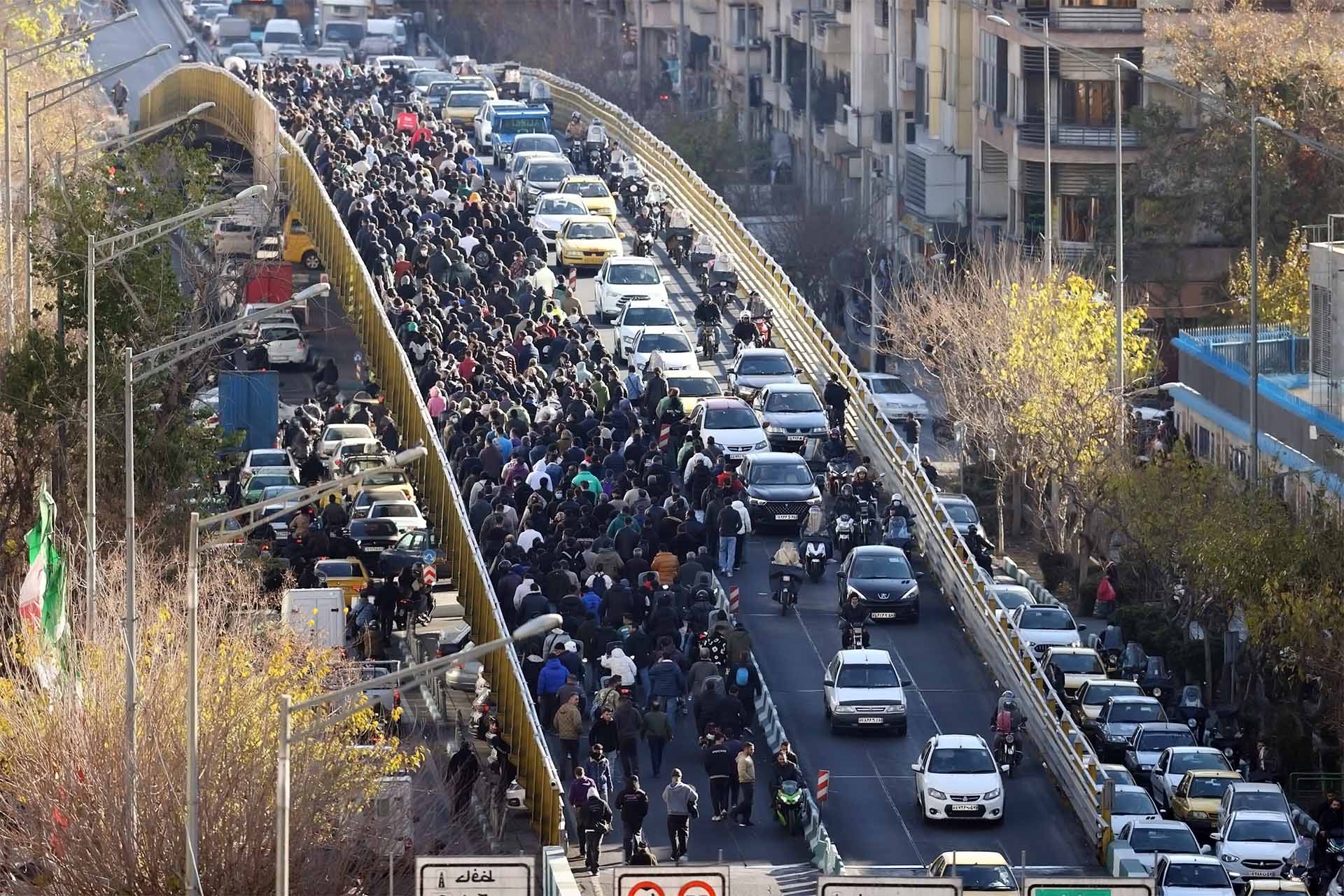
    Iran’s Supreme Leader, Ayatollah Ali Khamenei, has called for unity as mass protests continue across the country. He described the protests as actions by terrorists.

    In a speech on Iranian state television on Friday, Khamenei warned against these protests. He claimed they are part of a foreign plot led by the United States. He also threatened that the authorities would take strong action to end the unrest.

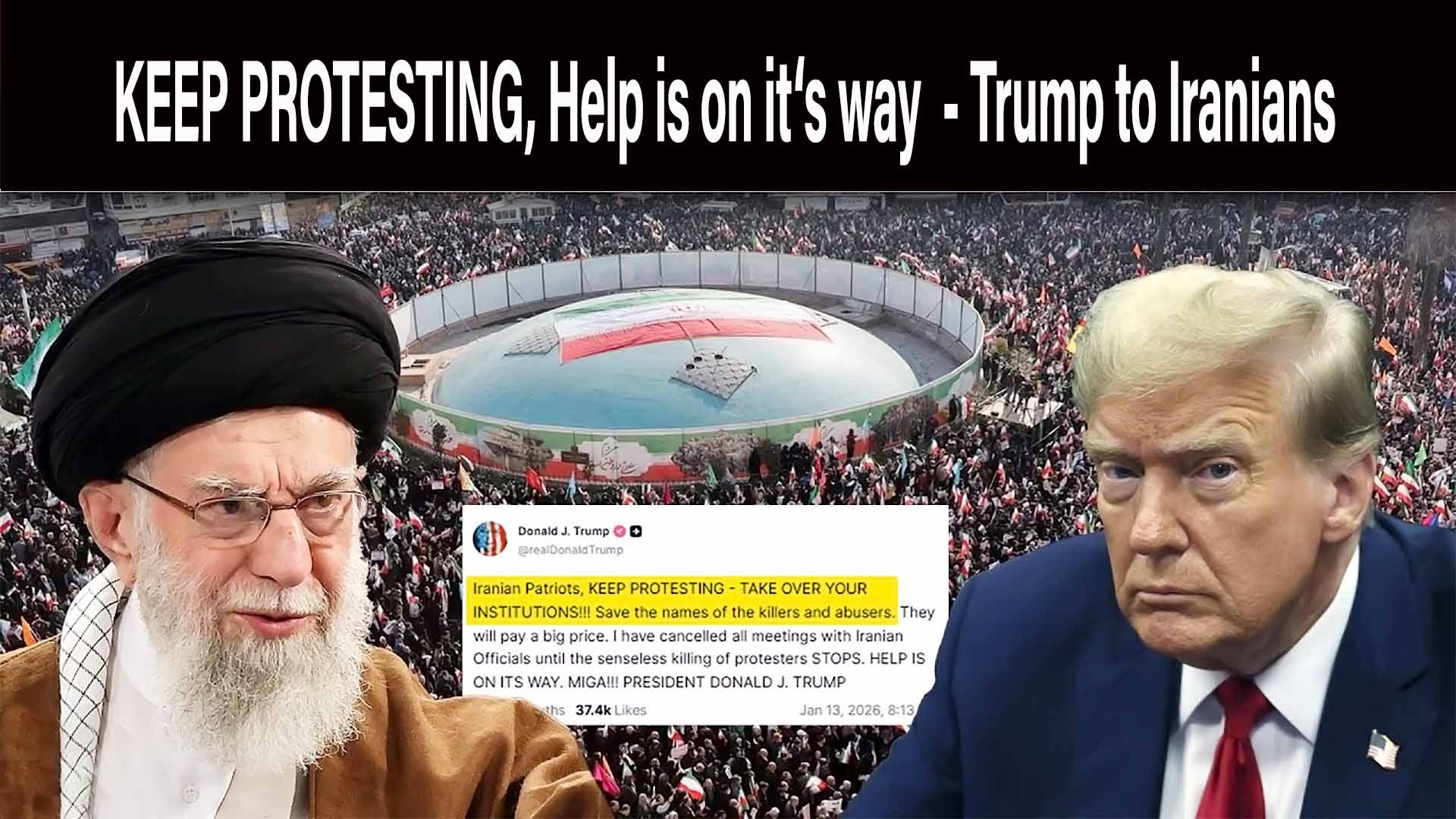
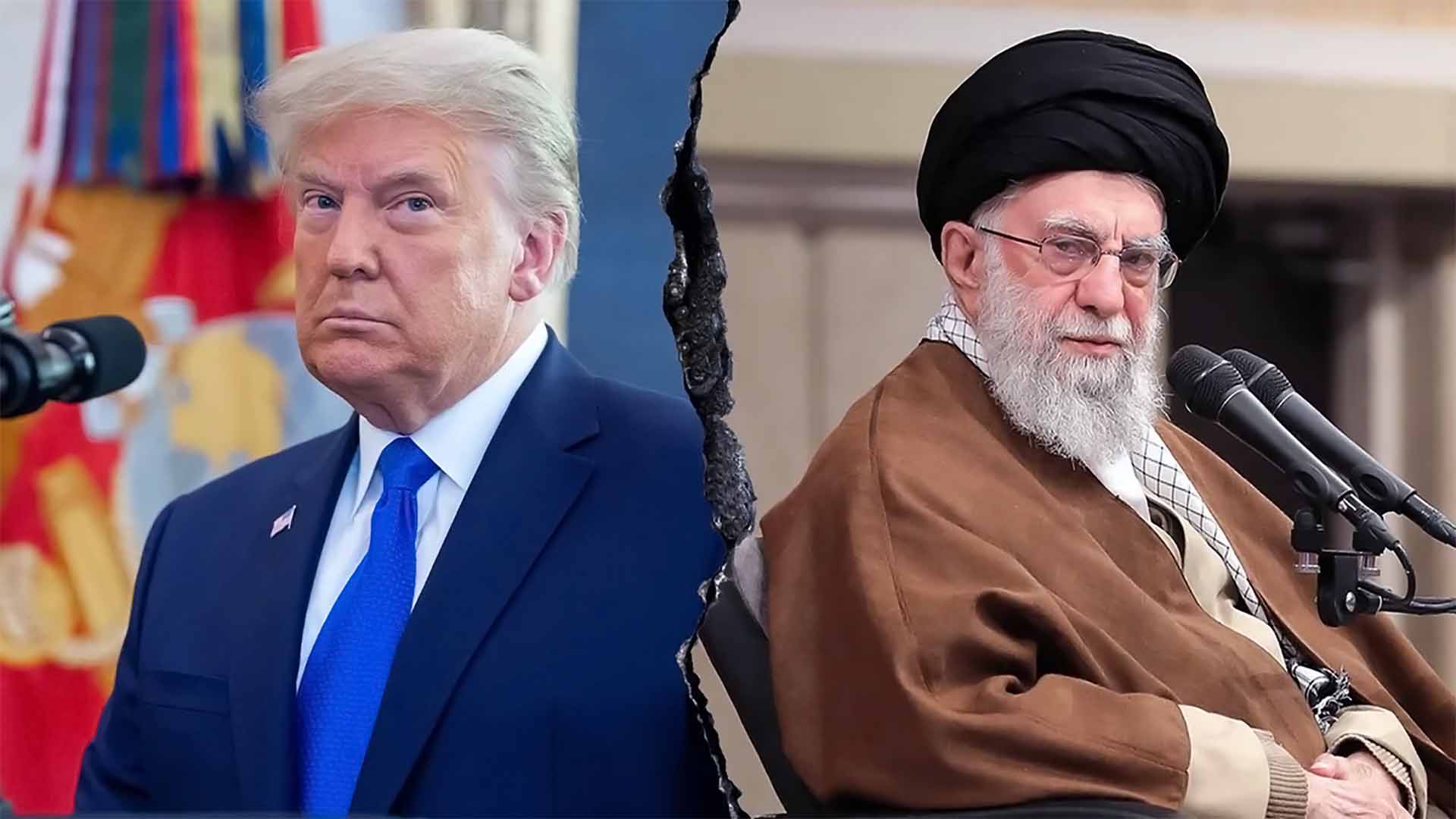
    Khamenei accused the protesters of working for US President Donald Trump. He said they were vandalizing public property and warned that Tehran would not accept people acting as “mercenaries for foreigners.” He claimed that Trump has “stained hands” from the blood of Iranians.

    The government is struggling to control the situation, which has resulted in the deaths of many protesters and at least four members of the security forces since the protests began on December 28.

    President Masoud Pezeshkian has called for calm and urged the state to listen to “genuine” concerns. However, other officials have warned that the authorities are unlikely to show leniency because they see the protests as supported by foreign enemies.

    Cut Off

    Protests over economic issues started in Iran when shopkeepers in Tehran became upset about a steep drop in the value of the rial currency.

    To control the protests, the government cut off internet access on Thursday. This blackout continued on Friday, and phone services were also down, causing airlines to cancel flights in and out of the country.

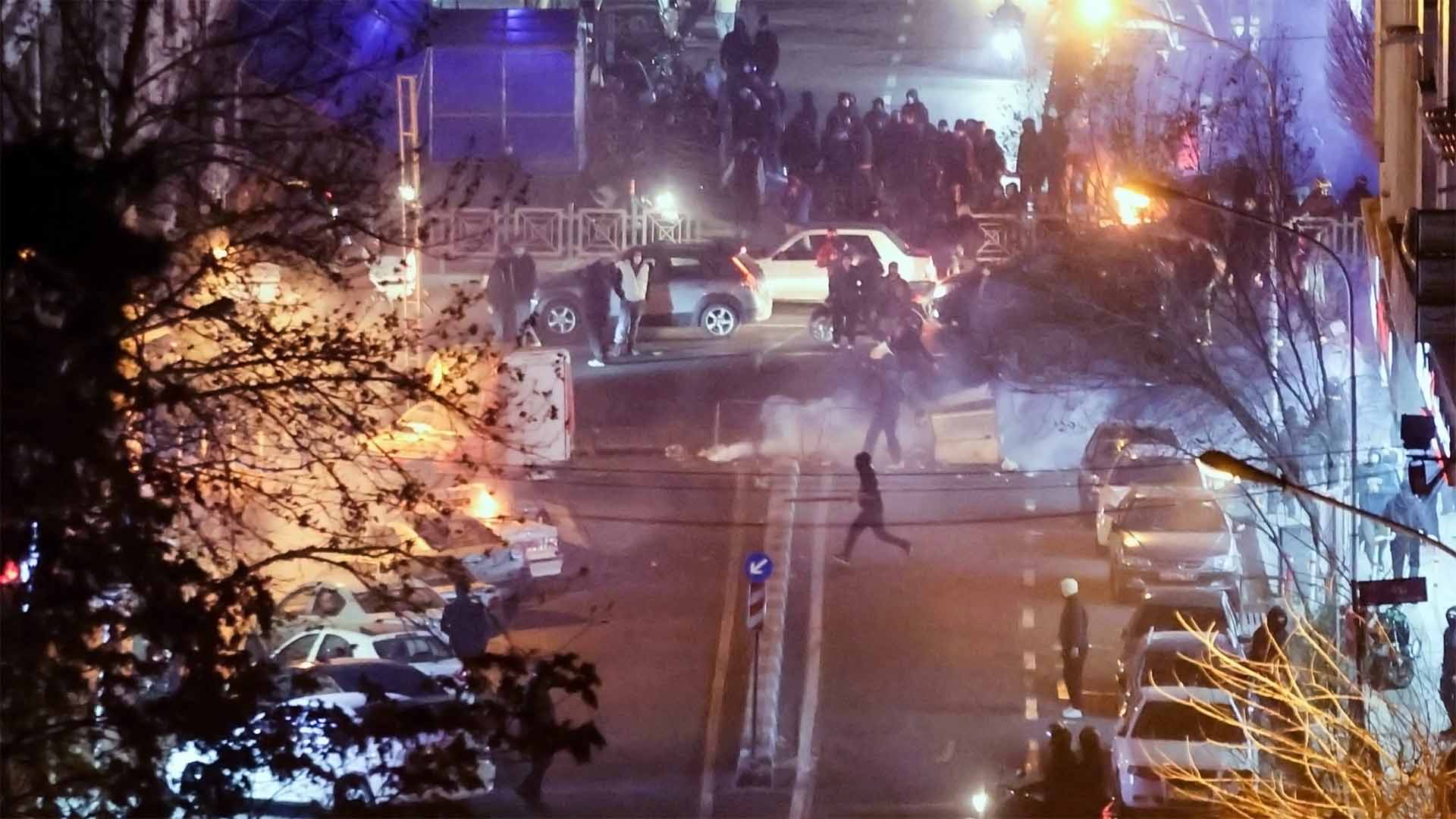
    Despite these measures, activists shared videos showing protesters chanting against the government around bonfires, with debris scattered on the streets in Tehran and other areas.

    On Friday, Iranian state media responded to the protests. They claimed that “terrorist agents” from the US and Israel had caused violence and set fires. They also reported “casualties” but did not provide details.

    Trump said on Thursday that the US would not let Tehran harm protesters. He stated, “Iran has been told very strongly that if they do that, they’re going to have to pay hell.”

    Trump has also refused to meet with Iran’s self-proclaimed “Crown Prince” Reza Pahlavi, indicating that the US is not ready to support a successor to the current government if it collapses.

    Pahlavi, the son of Iran’s last shah, who was overthrown in the Islamic Revolution of 1979, has called for more protests. Holly Dagres, a senior fellow at the Washington Institute for Near East Policy, said Pahlavi’s call has “turned the tide” of the protests. She noted that social media posts show Iranians are taking his call seriously to try to oust the Islamic Republic.

    Dagres explained, “This is exactly why the internet was shut down: to prevent the world from seeing the protests. Unfortunately, it also likely provided cover for security forces to kill protesters.”

    In a TV address, Supreme Leader Khamenei said protesters are “ruining their own streets to make the president of another country happy,” referring to Trump. An audience was heard chanting, “Death to America!”

  • Iran’s Khamenei Urges Putting Rioters ‘in their Place’ Amid Protests

    Iran’s Khamenei Urges Putting Rioters ‘in their Place’ Amid Protests

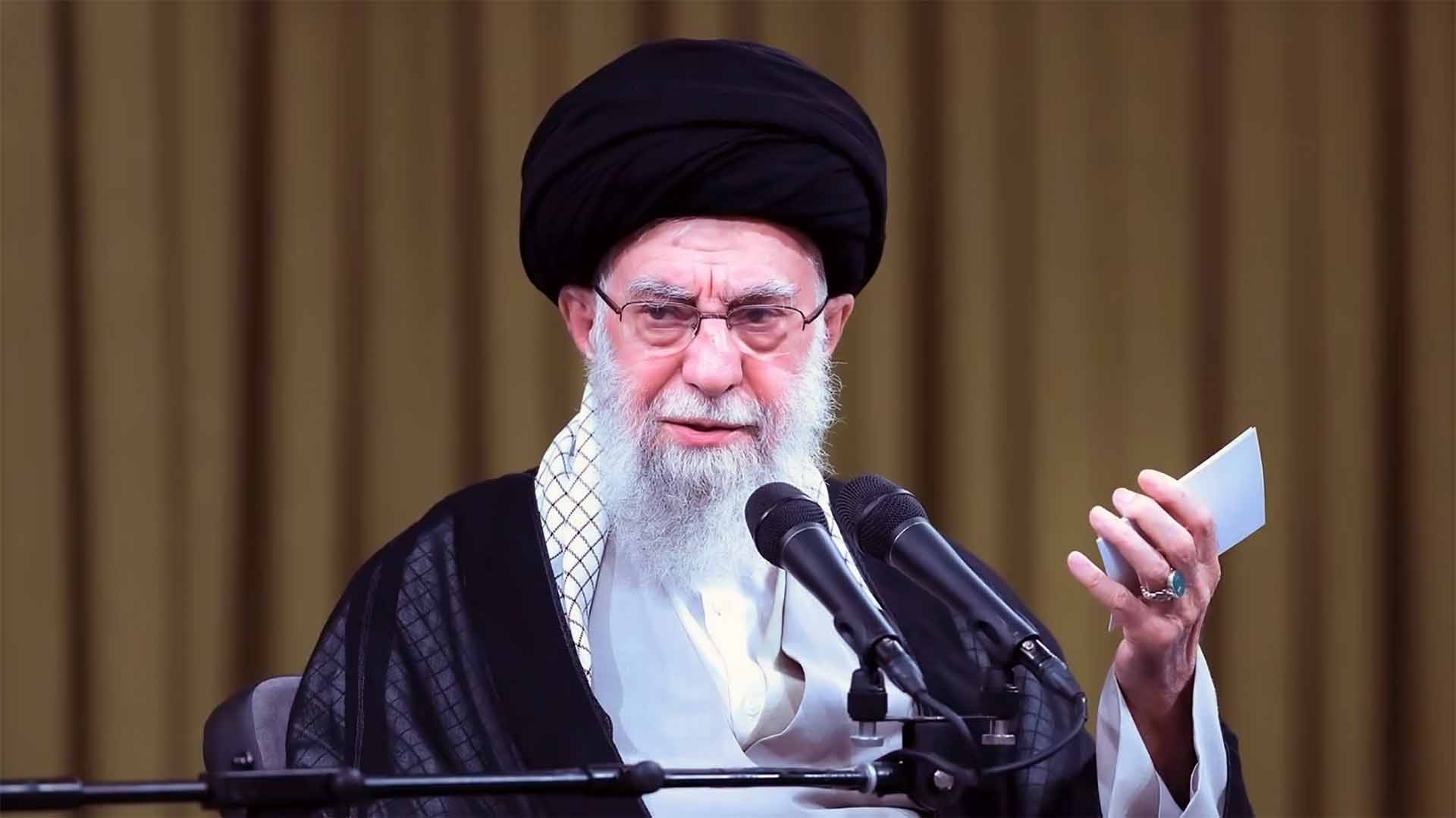
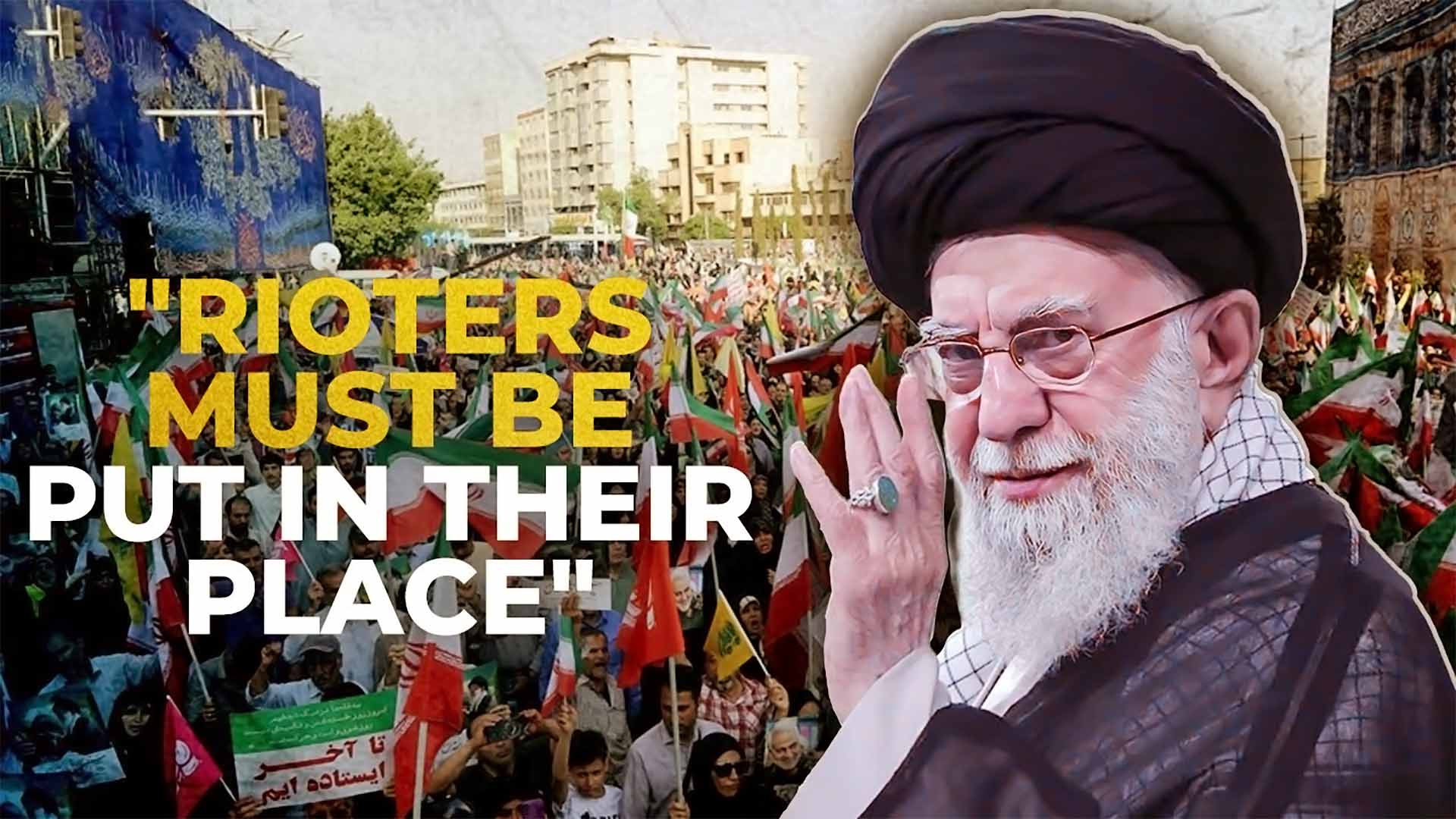
    Iran’s Supreme Leader Ayatollah Ali Khamenei said that “rioters must be put in their place” after a week of protests shaking the country.

    Khamenei, who is 86, made his first comments on Saturday as violence related to the protests over Iran’s struggling economy has resulted in at least 10 deaths.

    The protests continue, especially after U.S. President Donald Trump threatened Iran on Friday. He stated that if Tehran “violently kills peaceful protesters,” the U.S. “will come to their rescue.” It is unclear if or how Trump will intervene, especially after a major U.S. military attack on Venezuela and the supposed capture of President Nicolas Maduro. His comments led to immediate anger from Iranian officials.

    Iran’s UN Ambassador Amir Saeid Iravani wrote to the UN Secretary-General and the President of the UN Security Council, asking them to condemn Trump’s “unlawful threats” against Iran. Ali Larijani, secretary of the Supreme National Security Council, said that U.S. interference “causes chaos in the entire region and harms U.S. interests.”

    These protests are the largest in Iran since 2022, when the death of 22-year-old Mahsa Amini in police custody led to nationwide protests. However, these protests so far have not been as widespread or intense as those that followed Amini’s death, which happened after she was detained for not wearing her hijab as authorities required.

    Foreign Powers Were Pushing the Protests – Khamenei

    In a speech in Tehran, Khamenei spoke about the protests in Iran over the collapsing rial. He tried to draw a line between the protesting Iranians, who are concerned about the economy, and what he called “rioters.”

    “We need to talk to protesters; officials must engage with them,” Khamenei said. “But there’s no point in talking to rioters. They need to be dealt with.”

    He repeated a claim often made by Iranian officials, saying foreign powers like Israel and the U.S. are encouraging the protests, but he provided no proof. He also blamed “the enemy” for the drop in the rial.

    “A group incited or hired by the enemy is encouraging shopkeepers and tradesmen to chant slogans against Islam, Iran, and the Islamic Republic,” he said. “This is what really matters.”

    Khamenei also stated that the U.S. “must and will leave” the region.

    “With the determination of the nations in the region, America must and will exit this area,” he declared.

    Economic Downturn

    Iran’s civilian government, led by reformist President Masoud Pezeshkian, has been trying to convey its willingness to negotiate with protesters. However, Pezeshkian has acknowledged the limitations on his ability to act, as Iran’s rial has rapidly depreciated, which initially sparked the protests.

    The recent protests are driven by economic issues. Demonstrators are expressing their dissatisfaction with the government and have clashed in several cities. These clashes have led to multiple deaths and many arrests, according to Iranian authorities.

    Since the war with Israel in June, during which the U.S. bombed nuclear sites in Iran, Tehran has struggled to stabilize its economy.

    Recently, Iran announced that it is no longer enriching uranium at any of its sites, signaling to the West its openness to potential negotiations regarding its nuclear program in an effort to ease sanctions.

    However, these talks have yet to materialize, as former President Trump and Israeli Prime Minister Benjamin Netanyahu have threatened Tehran over both its nuclear and missile programs.

  • Trump Warns US Will Interfere if Iran Kills Protesters

    Trump Warns US Will Interfere if Iran Kills Protesters

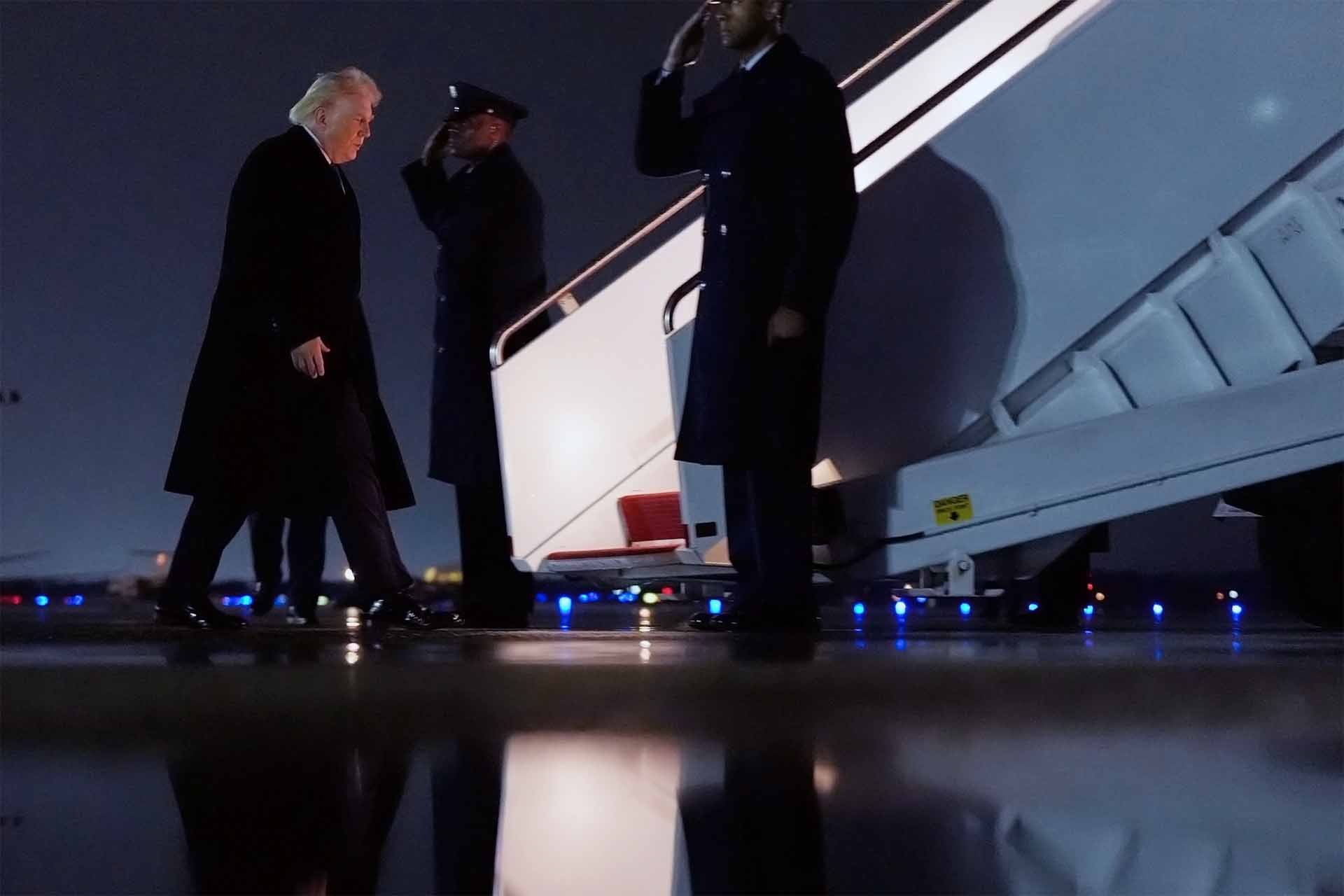
    U.S. President Donald Trump has warned Iran’s leaders not to harm peaceful protesters. He said that the U.S. “will come to their rescue.”

    In a short post on social media, he stated, “We are locked and loaded and ready to go,” but he did not give further details.

    A senior adviser to Iran’s Supreme Leader, Ayatollah Ali Khamenei, responded, advising Trump to “be careful” if he intervenes, warning of potential chaos across the Middle East.

    Reports indicate that at least eight people have been killed in Iran following almost a week of mass protests triggered by worsening economic conditions.

    In his post on Truth Social, Trump wrote, “If Iran shoots and violently kills peaceful protesters, which is their custom, the United States of America will come to their rescue.”

    The U.S. President did not specify what actions Washington might take against the Iranian authorities.

    In June, the U.S. conducted strikes against Iran’s nuclear sites under Trump’s orders. American officials later argued that these strikes significantly hindered Tehran’s ability to develop a nuclear weapon, a claim disputed by Iran.

    In retaliation, Iran launched a missile attack on a major U.S. military base in Qatar.

    Khamenei Adviser Warns Trump

    Shortly after Donald Trump’s latest social media post, Ali Larijani, an adviser to Khamenei, issued his own warning.

    “Trump should know that US interference in this internal matter would mean destabilizing the entire region and jeopardizing America’s interests,” he wrote.

    However, some protesters expressed that intervention from the US would be welcome.

    “They [security forces] are afraid and shake to their bones when Mr. Trump or Mr. (Israeli Prime Minister Benjamin) Netanyahu says something,” a young woman protesting in Tehran told the BBC’s Newshour programme. Preferring to remain anonymous for her own safety, she mentioned that protesters had been seeking US support for years because the security forces “believe that if Trump says something, he will do it,” and they “know that if anything happens, they would have to face the consequences.”

    Casualties Amid Protests

    On Thursday, six people in Iran were reported to have been killed during the fifth day of protests. According to the semi-official Fars news agency and the human rights group Hengaw, two people died in clashes between protesters and security forces in the southwestern city of Lordegan. They were identified as Ahmad Jalil and Sajjad Valamanesh, both confirmed as protesters.

    Three individuals were reported killed in Azna, and another died in Kouhdasht, all in the western part of the country. Fars did not specify whether these victims were demonstrators or security force members. Additionally, one death was reported in Fuladshahr, central Iran, and another casualty occurred in Marvdasht, in the south.

    Footage shared on social media depicted cars set on fire during violent confrontations between protesters and security forces.

    Earlier, Iranian officials stated that a young member of the country’s security forces had been killed on Wednesday in the western city of Kouhdasht. However, protesters claimed that the man was actually one of their own and had been shot dead by the security forces.

    On Friday, clashes erupted during the burial ceremony for the slain man, which was attended by thousands of mourners. Uniformed members of the security forces attempted to carry his coffin, but the crowd wrested it from them and chased them away.

    Why Protests Erupted Across the Country?

    The protests started on Sunday in Tehran, driven by shopkeepers’ anger over another significant decline in the value of the Iranian currency, the rial, against the US dollar in the open market.

    By Tuesday, university students had joined the demonstrations, which spread to several cities, with many people chanting against the country’s clerical leaders.

    President Masoud Pezeshkian has stated that he will listen to the “legitimate demands” of the protesters.

    In response, the country’s Prosecutor-General, Mohammad Movahedi-Azad, warned that any attempt to create instability would be met with a “decisive response.”

  • Iran Warns of ‘Severe’ Response after Trump’s New Strikes Threat

    Iran Warns of ‘Severe’ Response after Trump’s New Strikes Threat

    Iran has promised to respond strongly to any attacks after U.S. President Donald Trump threatened more military action if Tehran tries to rebuild its nuclear program or missile capabilities.

    President Masoud Pezeshkian made this warning on X on Tuesday, one day after Trump met with Prime Minister Benjamin Netanyahu at his Florida estate. During this meeting, Trump strongly supported Israel’s position in the region.

    The U.S. had not previously said it would target Iran’s missile capabilities, which is an important goal for Israel. Instead, the focus has been on Iran’s nuclear program. Iran insists that its nuclear activities are for peaceful purposes. U.S. intelligence and the U.N. nuclear watchdog have not found any evidence of nuclear weapons production before the attacks by the U.S. and Israel in June.

    Iran has refused to negotiate about its missile program. These comments from both leaders raise concerns about a new conflict, just months after a 12-day war in June that killed over 1,100 Iranians and 28 Israelis.

    Pezeshkian said that any aggression would lead to a “severe and regret-inducing” response from Iran. His statement came shortly after Trump told reporters at Mar-a-Lago that the U.S. could carry out another major attack on Iran.

    “Now I hear that Iran is trying to build up again, and if they are, we’re going to have to knock them down,” Trump said while standing next to Netanyahu. “We’ll knock the hell out of them.”

    Trump also stated that he would support immediate strikes on Iran’s nuclear program and missile facilities if Tehran continues developing long-range weapons.

    Iran is Rebuilding Its Ballistic Missile Stockpile, Israeli Forces Say

    Israeli officials are worried that Iran is rebuilding its stockpile of ballistic missiles after significant losses during the June conflict.

    One Israeli official told Ynet that if the U.S. does not reach an agreement with Iran to stop its ballistic missile program, a confrontation with Tehran might be necessary.

    Pezeshkian described the situation as a “full-scale war” involving the U.S., Israel, and Europe. He said this conflict is “more complicated and more difficult” than Iran’s war with Iraq in the 1980s, which killed over one million people.

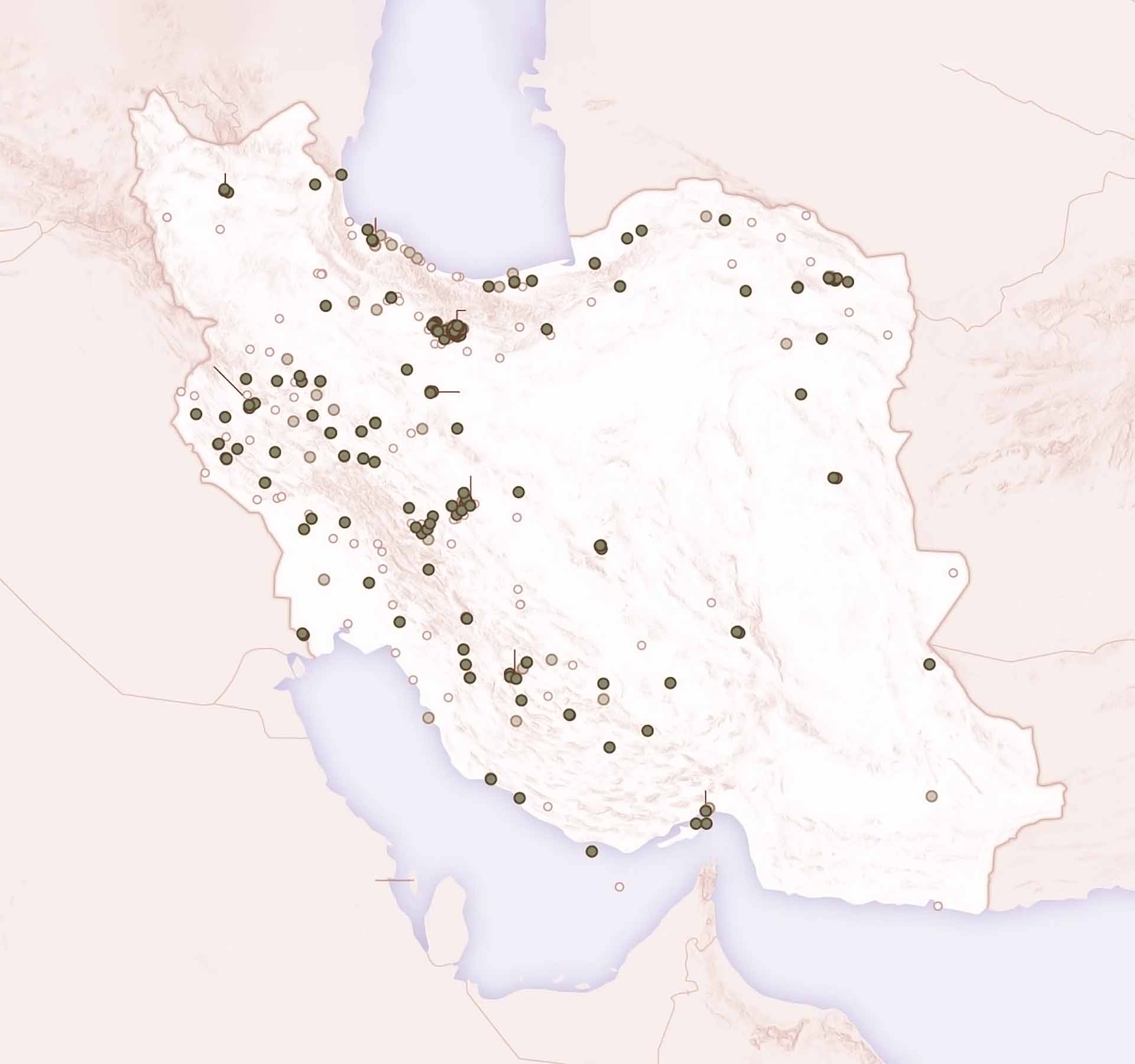
    In June, Israel carried out nearly 360 strikes across 27 Iranian provinces in 12 days, according to the conflict monitoring group ACLED. The attacks focused on military bases, nuclear plants, and government buildings. They destroyed many Iranian missiles and killed several important military leaders and scientists.

    In response, Iran fired over 500 missiles at Israel, with some landing in towns. While Trump claimed that the strikes “completely obliterated” Iran’s nuclear capabilities, experts disagreed, saying Iran may still have hidden stockpiles of enriched uranium and could restart production within months.

    Despite the damage, Iranian officials say they are now better prepared. Pezeshkian recently stated that Iran’s military forces are “stronger in terms of equipment and manpower” than they were before the ceasefire.

    The war did not lead to the internal unrest that Netanyahu expected. There were no significant protests, and daily life in Tehran continued normally despite the attacks.