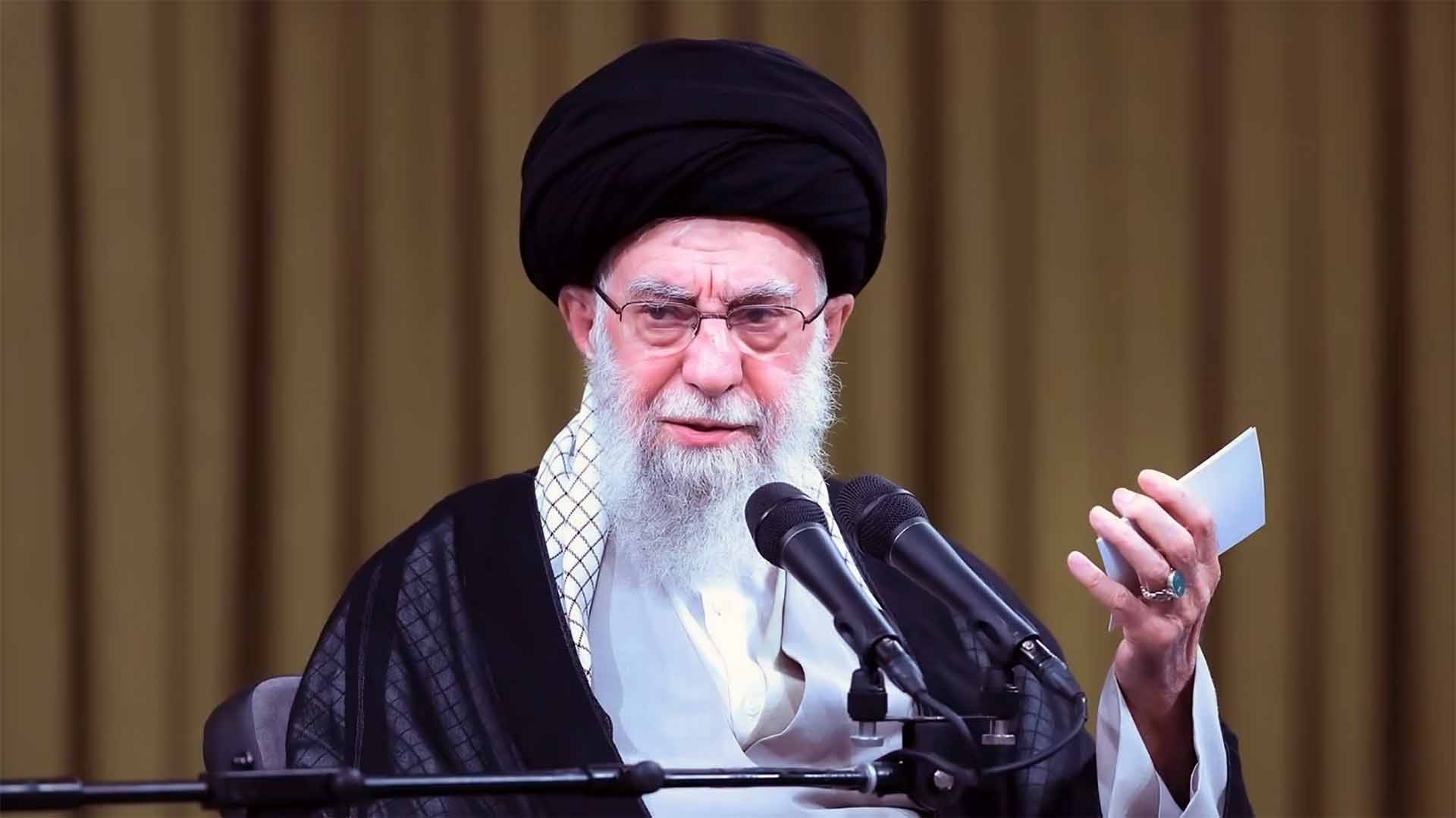
Iran’s Supreme Leader, Ayatollah Ali Khamenei, has called for unity as mass protests continue across the country. He described the protests as actions by terrorists.
In a speech on Iranian state television on Friday, Khamenei warned against these protests. He claimed they are part of a foreign plot led by the United States. He also threatened that the authorities would take strong action to end the unrest.
Khamenei accused the protesters of working for US President Donald Trump. He said they were vandalizing public property and warned that Tehran would not accept people acting as “mercenaries for foreigners.” He claimed that Trump has “stained hands” from the blood of Iranians.
The government is struggling to control the situation, which has resulted in the deaths of many protesters and at least four members of the security forces since the protests began on December 28.
President Masoud Pezeshkian has called for calm and urged the state to listen to “genuine” concerns. However, other officials have warned that the authorities are unlikely to show leniency because they see the protests as supported by foreign enemies.
Cut Off
Protests over economic issues started in Iran when shopkeepers in Tehran became upset about a steep drop in the value of the rial currency.
To control the protests, the government cut off internet access on Thursday. This blackout continued on Friday, and phone services were also down, causing airlines to cancel flights in and out of the country.
Despite these measures, activists shared videos showing protesters chanting against the government around bonfires, with debris scattered on the streets in Tehran and other areas.
On Friday, Iranian state media responded to the protests. They claimed that “terrorist agents” from the US and Israel had caused violence and set fires. They also reported “casualties” but did not provide details.
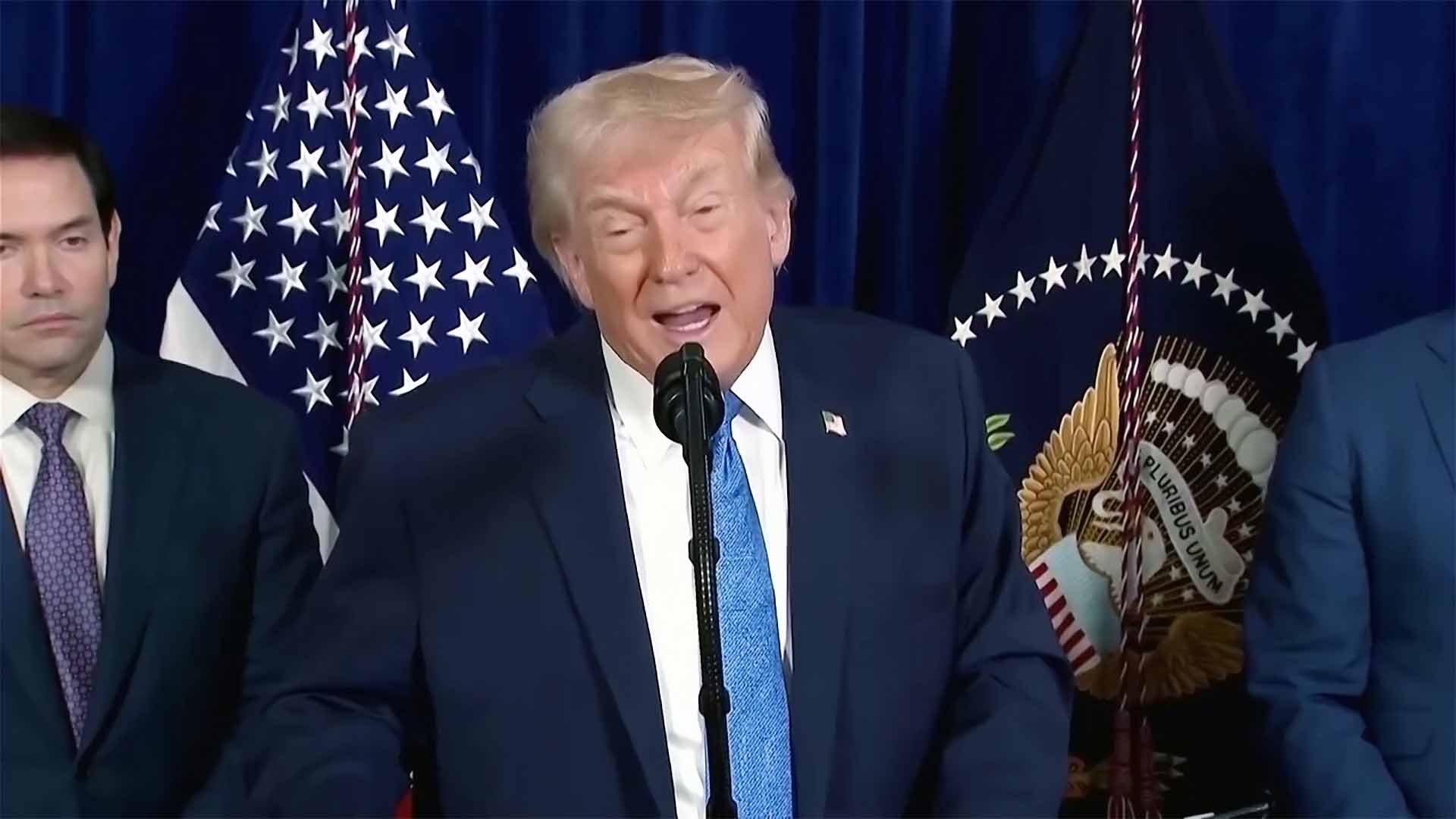
Trump said on Thursday that the US would not let Tehran harm protesters. He stated, “Iran has been told very strongly that if they do that, they’re going to have to pay hell.”
Trump has also refused to meet with Iran’s self-proclaimed “Crown Prince” Reza Pahlavi, indicating that the US is not ready to support a successor to the current government if it collapses.
Pahlavi, the son of Iran’s last shah, who was overthrown in the Islamic Revolution of 1979, has called for more protests. Holly Dagres, a senior fellow at the Washington Institute for Near East Policy, said Pahlavi’s call has “turned the tide” of the protests. She noted that social media posts show Iranians are taking his call seriously to try to oust the Islamic Republic.
Dagres explained, “This is exactly why the internet was shut down: to prevent the world from seeing the protests. Unfortunately, it also likely provided cover for security forces to kill protesters.”
In a TV address, Supreme Leader Khamenei said protesters are “ruining their own streets to make the president of another country happy,” referring to Trump. An audience was heard chanting, “Death to America!”