The U.S. government will stop processing immigrant visas for applicants from 75 countries starting January 21. This change affects people wanting to move to the U.S. permanently. It does not impact visitors or those with short-term visas.
This decision comes five months before the U.S. hosts the FIFA World Cup with Canada and Mexico. It also follows a series of crackdowns on immigrants, refugees, foreign students, and visa applicants, raising concerns about how the U.S. views visitors.
What announcement has been made by the U.S. administration?
The State Department has told U.S. consulates to stop processing immigrant visa applications from certain countries. This decision comes after an order to increase checks on potential immigrants who might financially burden the U.S.
“The Trump administration is ending the misuse of America’s immigration system by those who take advantage of American resources,” the department said.
Processing of immigrant visas from these 75 countries will be paused while the State Department reviews its procedures to prevent foreign nationals from relying on welfare and public benefits.
How does it work?
According to the State Department, people from the affected countries can still apply for immigrant visas. However, no visas will be approved or issued while the pause is in place. The U.S. government has not said when this suspension might end.
Dual nationals can apply using a valid passport from a country not included in the suspension. This pause does not affect non-immigrant visas, such as temporary, tourist, or business visas.
Other Immigration Restrictions Under the Trump Administration
Recently, the Trump administration has tightened immigration rules for people from countries with weak vetting processes. The State Department has set new limits on migration from these nations.
In January 2025, the White House stated that the U.S. could not accept large numbers of migrants, especially refugees. They said this could strain public resources, create security issues, and make it harder for newcomers to adjust.
In June, the administration imposed a full travel ban on people from 12 countries: Afghanistan, Chad, the Congo, Equatorial Guinea, Eritrea, Haiti, Iran, Libya, Myanmar, Somalia, Sudan, and Yemen.
By October, the White House announced the lowest refugee admissions limit in U.S. history: just 7,500 refugees for the 2026 fiscal year. Most of this cap is for white Afrikaners from South Africa. Trump has spread false claims about a genocide against white South Africans, despite data showing that violence affects people of all races in that country.
At the same time, the Trump administration has cut foreign aid programs that help refugees living abroad.
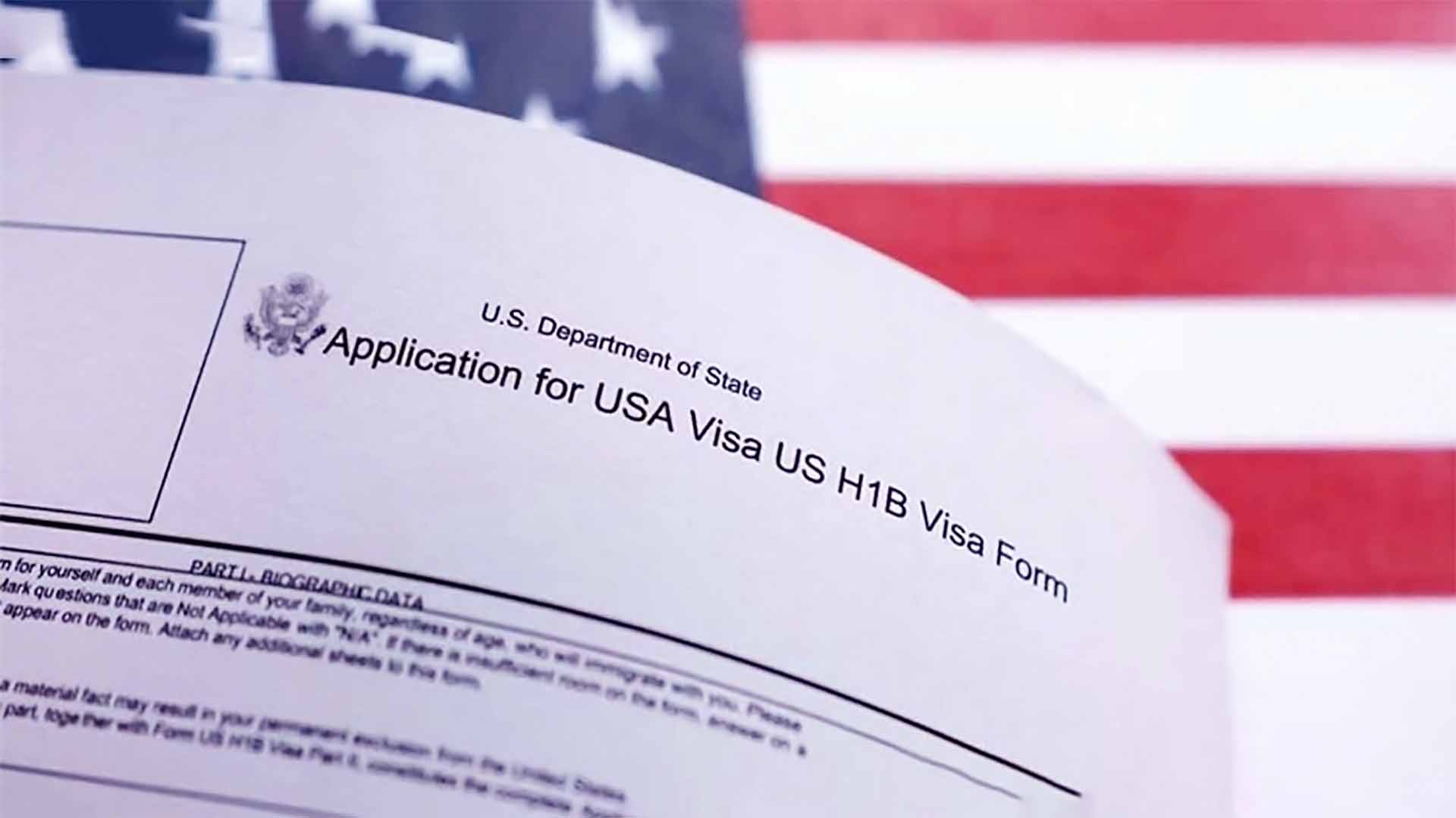
The administration has also worked to limit skilled immigration. They claim this protects jobs for U.S. citizens. In September, they raised the application fee for H-1B visas, which companies use to hire foreign workers, to $100,000.
After an Afghan national linked to the shooting of two National Guard members in Washington, D.C., the government added more travel restrictions. They expanded the ban to include six more countries: Palestine, Burkina Faso, Mali, Niger, South Sudan, and Syria.
Immigration officials have also paused asylum cases and stopped processing citizenship and green card applications for people from the countries affected by the bans.
Is the Trump administration deporting people at record rates?
By early December, Trump’s Department of Homeland Security said it had deported over 605,000 people, while about 1.9 million people had left the country on their own.
As a result, the United States saw more people leaving than entering in 2025. This was the first time in 50 years that net negative immigration happened, according to the Brookings Institution. Their researchers estimated that the net loss of immigrants that year was between 10,000 and 295,000 people.
Leave a Reply